Материал: 1493
Lime
Lime is a calcium oxide. It is used in great quantities for mortar and plaster. Lime (quicklime) is a white solid that reacts violently with water to form calcium hydroxide. It is made by heating limestone in a special kind of furnace called a "kiln". Lime must be stored in a dry place, otherwise it will absorb moisture.
Limes may be divided into three distinct classes:
1.Rich limes that contain not more than 6 percent of impurities, slake very rapidly, and are entirely dependent on external agents for setting power. These are widely used for interior plasterer's works.
2.Poor limes that contain from 15 percent to 30 percent of useless impurities and possess the general properties of rich limes, only to a lesser degree.
3.Hydraulic limes that contain certain proportions of impurities, which when calcinated, combine with the lime and endow it with the valuable property of setting under water or without external agents.
Lime is a basic building material extensively used all over the world, but it was not until the later years of the 19th century that a greater appreciation of the fuel-burning problems involved became apparent. Until this time the requirement for lime was largely agricultural and it was produced by farmers or by small builders who used it for making mortar and plaster.
Задание 18. Прочитайте и переведите данные ниже предложения. На основе всех сведений, полученных об обозначенном понятии, составьте учебный текст на английском языке.
Limestone is extracted from quarries or mines.
As industrial requirements increased "running" kilns were developed.
These were lined with firebrick and charged at regular intervals with stone and fuel.
Around the world there are many different types of kilns and variations in limeburning practice.
Until this time the requirement for the lime was largely agricultural…
It is known that the manufacture of lime is one of the oldest industries used by man. Lime is a basic building material used all over the world as today so in the ancient world.
One of the Romans, Marcus Cato, gave an idea of a kiln for lime, production: it's shape and dimensions. They are rough cylindrical or rectangular structures, built of stone in a hillside with an arched opening at the front to enable the fire to be made and the lime to be withdrawn.
45

Модуль 6. СТРОИТЕЛЬНЫЕ СМЕСИ
Задание 1. Изучите таблицу, выпишите транскрипцию терминов из словаря. Используйте полученную информацию при выполнении следующего задания.
Сочетаемость |
Толкование |
mineral binding materials |
Минеральные вяжущие |
organic binding materials |
Органические вяжущие |
aerial binding materials |
Воздушные вяжущие |
hydraulic binding materials |
Гидравлические вяжущие |
Задание 2. Дайте толкования понятиям. Используйте следующие выражения:
тонкоизмельчённые вещества – fine-grained substances пластичное тестообразное состояние – soft dough stage полупластичное состояние – semi-plastic stage
Толкование Перевод
Минеральные вяжущие материалы – тонкоизмельчённые минеральные вещества, обладающие способностью (при смешивании с водой) переходить в пластичное тестообразное состояние, а из него – в твёрдое. Применяются в строительстве для изготовления бетонов, строительных растворов и изделий, гидроизоляции и т.п.
Органические вяжущие материалы – вещества органического происхождения, обладающие способностью переходить из пластичного состояния в твёрдое (или полупластичное) под воздействием физических или химических процессов
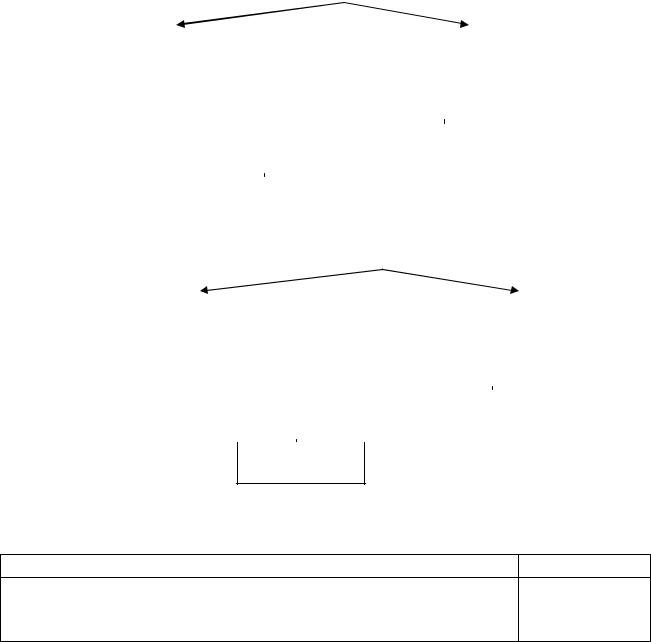
Задание 3. Изучите представленную ниже схему. На основе толкований понятий и схемы постройте учебный текст на английском языке.
46
|
|
|
|
|
Схема 10. Вяжущие вещества |
|||||||||||||||
|
|
|
|
|
|
|
|
|
|
|
|
|
|
|
|
|
|
|||
|
|
|
|
|
|
|
|
Вяжущие вещества |
|
|
|
|
|
|||||||
|
|
|
|
|
|
|
|
|
|
|
|
|
|
|
|
|||||
|
|
|
|
|
|
|
|
|
|
|
|
|
||||||||
Неорганические (минеральные) |
|
|
Органические |
|
||||||||||||||||
|
|
|
|
|
|
|
|
|
|
|
|
|
|
|
|
|
|
|
|
|
|
|
|
|
|
|
|
|
|
|
|
|
|
|
|
|
|
|
|
|
|
гидравлические |
|
воздушные |
|
|
битум |
|
||||||||||||||
|
|
|
|
|
|
|
|
|
|
|
|
|
|
|
|
|
|
|
|
|
|
|
|
|
|
|
|
|
|
|
|
|
|
|
деготь |
|
|||||
цемент |
|
гипс |
||||||||||||||||||
|
|
|
|
|
|
|
|
|
|
|||||||||||
|
|
|
|
|
|
|
|
|
|
|
|
|
|
|
|
|
|
|
|
|
|
|
|
|
|
|
|
|
|
|
|
|
|
|
|
|
|
|
|
|
|
|
|
|
|
|
|
|
|
|
|
|
|
|
|
|
|
|
|
|
|
|
|
|
|
|
|
известь |
|
|
|
|
|
|
|
|
|
||||||
|
|
|
|
|
|
|
|
|
|
|
|
|
|
|
|
|
|
|
|
|
|
|
|
|
|
|
|
|
|
|
|
|
|
||||||||
|
|
|
|
|
|
|
|
|
|
Binding materials |
|
|
|
|||||||
|
|
|
|
|
|
|
|
|
|
|
|
|
|
|
|
|||||
|
|
|
|
|
|
|
|
|
|
|
|
|
|
|
||||||
|
mineral |
|
|
|
|
|
|
|
|
|
|
|
|
organic |
||||||
|
|
|
|
|
|
|
|
|
|
|
|
|
|
|
||||||
|
|
|
|
|
|
|
|
|
|
|
|
|
|
|
|
|
|
|
|
|
|
hydraulic |
|
|
aerial |
|
|
|
|
|
bitumen, asphalt |
||||||||||
|
|
|
|
|
|
|
|
|
|
|
|
|
|
|
|
|
|
|||
|
|
|
|
|
|
|
|
|
|
|
|
|
|
|
|
tar |
||||
|
cement |
|
|
gypsum |
|
|
|
|
||||||||||||
|
|
|
|
|
|
|
|
|
|
|
|
|||||||||
|
|
|
|
|
|
|
|
|
|
|
|
|
|
|
|
|
|
|
|
|
|
|
|
|
|
|
|
|
|
|
|
|
|
|
|
|
|
|
|
|
|
|
|
|
|
|
|
|
|
|
|
|
|
|
|
|
|
|
|
|
|
|
lime, calx
Задание 4. Сделайте перевод толкования понятия.
Definition |
Translation |
Adhesive is a material capable of holding other materials together by surface attachment. Glues, cements, pastes, and mucilage are some common adhesives
Задание 5. Переведите текст, выделите основную информацию, оформите ее в виде опорной схемы. Перескажите текст, опираясь на полученную схему.
Adhesive
An adhesive is any substance that, when applied to the surfaces of materials, binds the surfaces together and resists separation. The term "adhesive" may be used interchangeably with glue, cement, mucilage, or paste. Adjectives may be used in conjunction with the word “adhesive” to describe properties based on the substance's
47
physical form, its chemical form, the type of materials it is used to join, or the conditions under which it is applied.
The use of adhesives offers many advantages over other binding techniques such as sewing, welding, bolting, screwing, etc. These advantages include the ability to bind different materials together, the ability to distribute stress more efficiently across the joint, the cost effectiveness of an easily mechanized process, an improvement in aesthetic design, and an increased design flexibility. Disadvantages of adhesive use include decreased stability at high temperatures, relative weakness in bonding large objects with a small bonding surface area, and greater difficulty in separating objects during testing.
Adhesives may be found naturally or be produced synthetically. The earliest use of adhesive-like substances by humans was approximately 200,000 years ago. From then until the 1900s, increases in adhesive use and discovery were relatively gradual. Only since the last century has the development of synthetic adhesives accelerated rapidly, and innovation in the field continues to the present.
Задание 6. Сопоставьте информацию толкования и перевода. Дополните ее, где необходимо. Используйте следующие выражения:
специально подобранные смеси – optional premastered mixtures
в необходимых случаях – in the indispensable (requisite) conditions
монтаж панельных и блочных стен – sheet and block walls mounting
Definition |
Translation |
|
|
Mortar is a workable paste used to |
Растворы строительные – специаль- |
||
bind construction blocks together and |
но подобранные смеси (вяжущего, |
||
fill the gaps between them. The blocks |
мелкого заполнителя, воды и в |
||
may be stone, brick, cinder blocks, etc. |
необходимых |
случаях специальных |
|
Mortar becomes hard when it sets, |
добавок органического или неорга- |
||
resulting in a rigid aggregate structure. |
нического |
происхождения) |
для |
Modern mortars are typically made from |
производства |
каменной |
кладки, |
a mixture of sand, a binder such as |
монтажа панельных и блочных стен, |
||
cement or lime, and water. Mortar can |
штукатурки и иной отделки лицевой |
||
also be used to fix, or point, masonry |
поверхности сооружений |
|
|
when the original mortar has washed |
|
|
|
away |
|
|
|
48
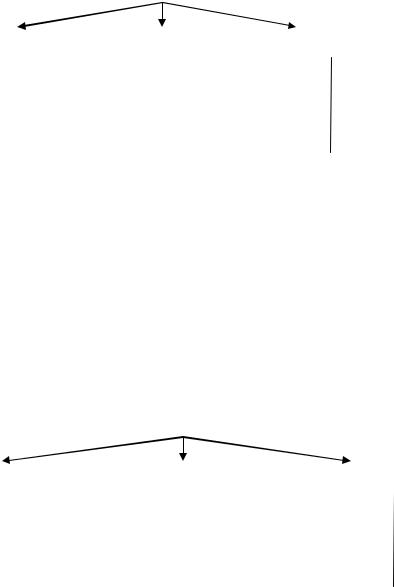
Задание 7. Используя информацию, данную выше, а также схемы, представленные ниже, составьте учебный текст о понятии на английском языке.
Схема 11. Растворы
|
|
|
|
|
|
|
Растворы |
|
|
|
|
|
|
|||
|
|
|
|
|
|
|
|
|
|
|
|
|
|
|
||
|
|
|
|
|
|
|
|
|
|
|
|
|
|
|
|
|
|
По виду вяжущего |
|
|
|
По назначению |
|
По составу |
|
||||||||
|
вещества |
|
|
|
|
|
|
|
|
|
|
|
|
|
||
|
|
|
|
|
|
|
|
|
|
|
|
|
|
|
|
|
|
|
|
|
|
|
|
|
|
|
|
|
|
|
|
|
|
|
Известковые |
|
|
|
Кладочные |
|
Простые |
|
||||||||
|
|
|
|
|
|
|
|
|
|
|
|
|
|
|
|
|
|
|
|
|
|
|
|
|
|
|
|
|
|
|
|
|
|
|
Глиняные |
|
|
|
Штукатурные |
|
Сложные |
|
||||||||
|
|
|
|
|
|
|
|
|
|
|
|
|
|
|
|
|
|
|
|
|
|
|
|
|
|
|
|
|
|
|
|
|
|
|
Гипсовые |
|
|
|
Монтажные |
|
|
|
|
|
||||||
|
|
|
|
|
|
|
|
|
|
|
|
|
|
|
|
|
|
|
|
|
|
|
|
|
|
|
|
|
|
|
|
|
|
|
Цементные |
|
|
|
|
|
|
|
|
|
|
|
|
|
||
|
|
|
|
|
|
|
|
|
|
|
|
|
|
|
|
|
|
Извесково - цементные |
|
|
|
|
|
|
|
|
|
|
|
|
|
||
|
|
|
|
|
|
|
|
|
|
|
|
|
|
|
|
|
|
Известково - гипсовые |
|
|
|
|
|
|
|
|
|
|
|
|
|
||
|
|
|
|
|
|
|
|
|
|
|
|
|
|
|
|
|
|
|
|
|
|
|
|
|
|
|
|
|
|
|
|
|
|
|
Цементно - глиняные |
|
|
|
|
|
|
|
|
|
|
|
|
|
||
|
|
|
|
|
|
|
|
|
|
|
|
|
|
|||
|
|
|
|
|
|
|
Mortars |
|
|
|
|
|
|
|||
|
|
|
|
|
|
|
|
|
|
|
|
|||||
|
|
|
|
|
|
|
|
|
||||||||
|
|
|
|
|
|
|
|
|
|
|
|
|
|
|
|
|
According to binding material |
|
|
|
According to its |
|
|
According to its |
|||||||||
|
|
|
|
|
|
|
intended purpose |
|
|
composition |
||||||
|
|
|
|
|
|
|
|
|
|
|||||||
|
|
|
|
|
|
|
|
|
|
|
|
|
|
|
|
|
lime mortar |
|
|
|
masonry mortar |
|
|
single |
|||||||||
|
|
|
|
|
|
|
|
|
|
|||||||
|
|
|
|
|
|
|
|
|
|
|
|
|
|
|
|
|
lute, clay mortar |
|
|
|
staff, wet plaster mix |
|
|
compound |
|||||||||
|
|
|
|
|
|
|
|
|
|
|
||||||
|
|
|
|
|
|
|
|
|
|
|
|
|
|
|
|
|
cement of plaster |
|
|
|
mounting mix |
|
|
|
|
||||||||
|
|
|
|
|
|
|
|
|
|
|
|
|
|
|||
|
|
|
|
|
|
|
|
|
|
|
|
|
|
|
|
|
slush, cement mortar, grout mix |
|
|
|
|
|
|
|
|
|
|
|
|
|
|||
|
|
|
|
|
|
|
|
|
|
|
|
|
|
|||
gauged (lime-cement) mortar |
|
|
|
|
|
|
|
|
|
|
|
|
|
|||
|
|
|
|
|
|
|
|
|
|
|
|
|
|
|||
gaged plaster |
|
|
|
|
|
|
|
|
|
|
|
|
|
|||
|
|
|
|
|
|
|
|
|
|
|
|
|
|
|||
|
|
|
|
|
|
|
|
|
|
|
|
|
|
|
|
|
сement-clay mortar |
|
|
|
|
|
|
|
|
|
|
|
|
|
|||
|
|
|
|
|
|
|
|
|
|
|
|
|
|
|
||
|
|
|
|
49 |
|
|
|
|
|
|
|
|
|
|||