Материал: Mekhanika_Ch2
where N is pull of the thread. Then, pull of the thread is given by
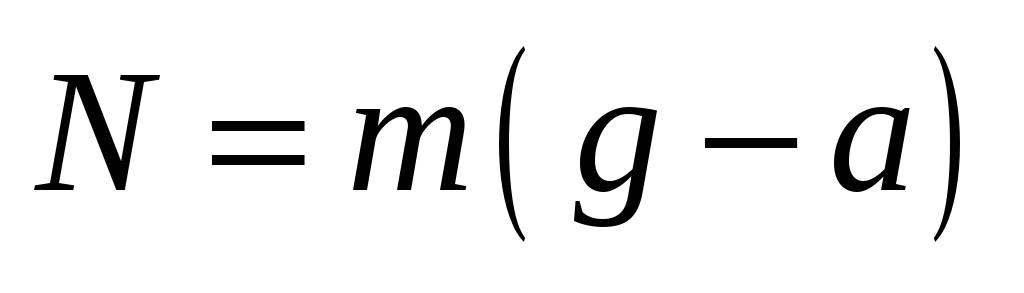 .
.
Moment of force at the cross-shaped pendulum may be expressed as
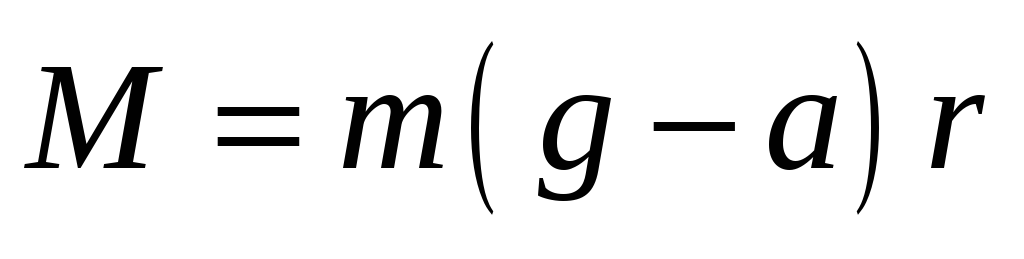 .
.
In our experiment conditions usually a << g . Then
 .
(15.2)
.
(15.2)
The fundamental equation of motion for a rotating body is as follows
 ,
(15.3)
,
(15.3)
where I is the moment of inertia of the pendulum; ε is the angular acceleration of the pendulum. From the formulas (15.2) and (15.3) it follows that
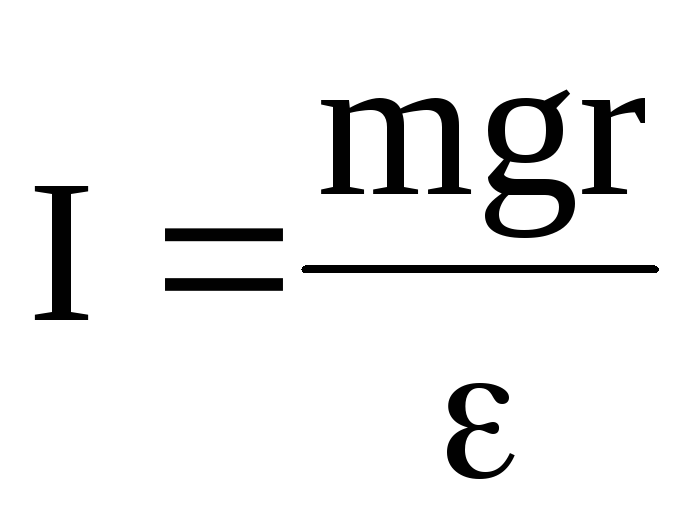 .
(15.4)
.
(15.4)
Taking (15.1) into consideration of formula (15.4) one may receive
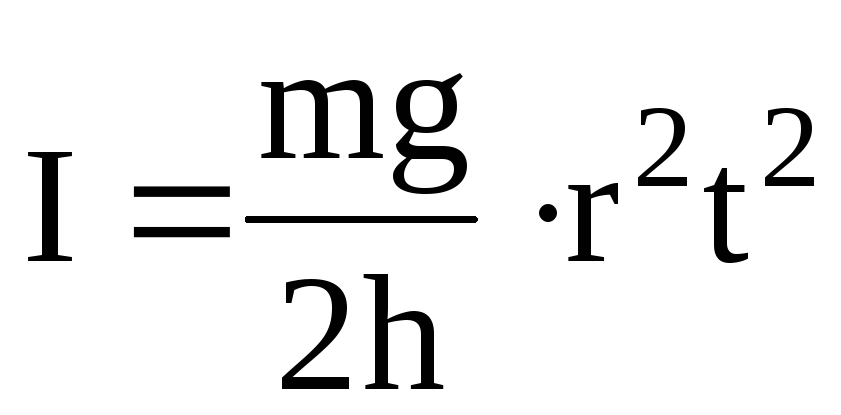 .
(15.5)
.
(15.5)
If I = const, then
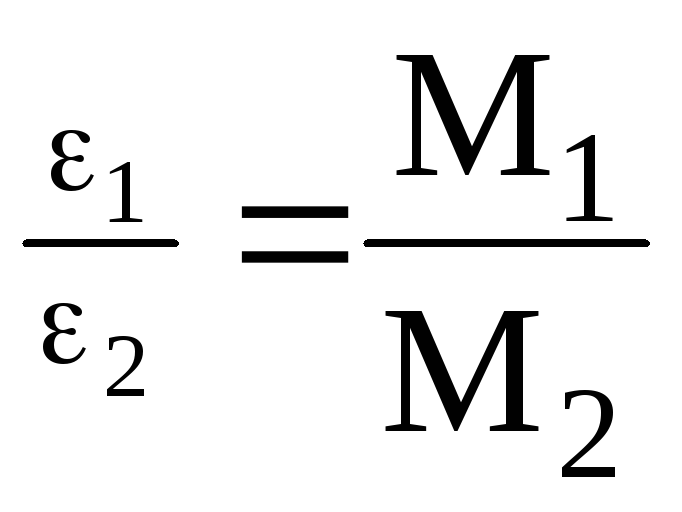 .
.
If M = const, then
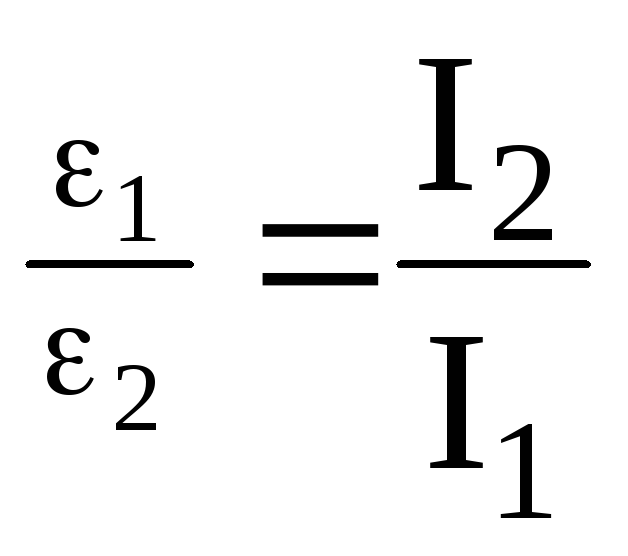 .
.
Moment of inertia of the cross-shaped pendulum consists of the moment of inertia of the cross-shaped Il (as is shown on the device) and moment of inertia of four loads at the shafts
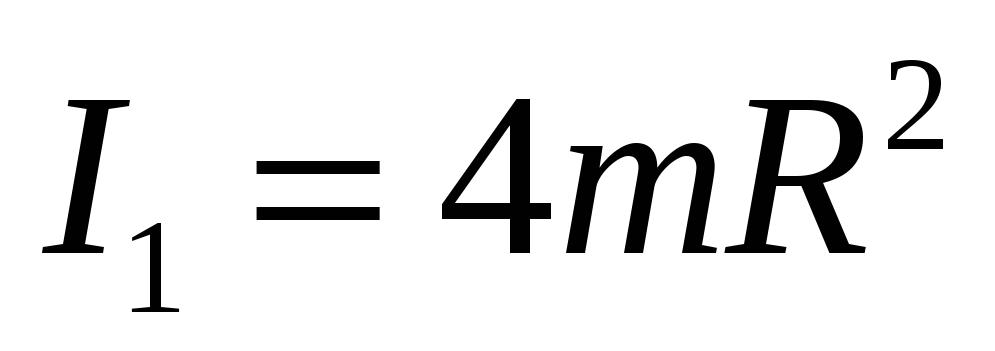 (15.6)
where m is the mean mass; R is the distance between the axis of revolution and the centre of gravity loads m.
15.1 Task 5.1
THE AIM is to determine the angular accelerations and moments of forces of the pendulum when values of falling loads are different and when moment of inertia is constant.
1. Put down the data of measurements in table 15.1.
Table 15.1
|
№ |
t, s |
m, kg |
r, m |
h, m |
ε, s-2 |
M, N˙m |
Note |
|
1 |
|
|
|
|
|
|
The measurement is done with the system of fife loads |
|
2 |
|
|
|||||
|
3 |
|
|
|||||
|
4 |
|
|
|||||
|
5 |
|
|
|||||
|
6 |
|
|
|
|
The load is decreased by one part. |
||
|
7 |
|
|
|
|
The load is decreased by two parts. |
||
|
8 |
|
|
|
|
The load is decreased by three parts. |
||
|
9 |
|
|
|
|
The load is decreased by four parts. |
2. Calculate Δε/ε. Put down the results of calculations in table 15.2.
Table 15.2
|
N |
ti, s |
Δti,s |
Δti2, s2 |
Half-width of the trust interval |
Δε/ε |
|||
|
Δt, s |
Δh, m |
Δr, m |
Δε, s-2 |
|||||
|
1 |
|
|
|
|
|
|
|
|
|
2 |
|
|
|
|||||
|
3 |
|
|
|
|||||
|
4 |
|
|
|
|||||
|
5 |
|
|
|
|||||
Σti = ΣΔti2=
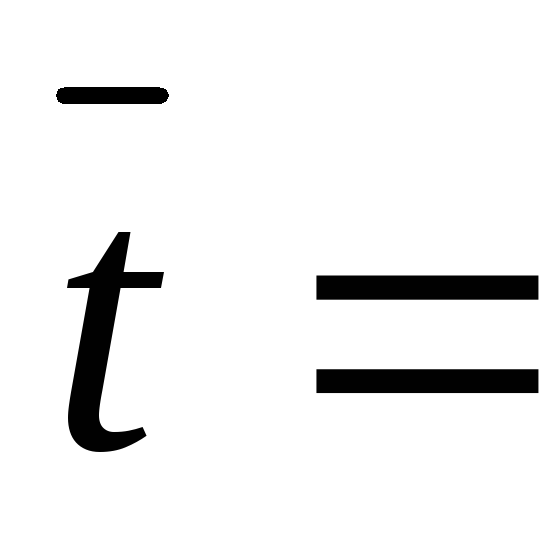
3. Put M versus ε on the graph.
4. Determine the moment of the friction forces and moment of inertia on the graph.
5. Make analysis of the experiment results.
15.3 Task 5.2
THE AIM is to determine the angular acceleration and moments of forces of the pendulum with different values of the sheaves radius and when moment of inertia is constant.
-
Put down the data of measurements in table 15.3.
Table 15.3
|
№ |
t1, s |
r, m |
m, kg |
h, m |
ε, s-2 |
M, N˙m |
Note |
|
1 |
|
|
|
|
|
|
The measurements are made when a thread is wound on big sheaf |
|
2 |
|
|
|||||
|
3 |
|
|
|||||
|
4 |
|
|
|||||
|
5 |
|
|
|||||
|
6 |
|
|
|
|
The measurements are made on other four sheaves |
||
|
7 |
|
|
|
|
|||
|
8 |
|
|
|
|
|||
|
9 |
|
|
|
|
2. For the first five measurements use average time t, when you calculate ε.
3.
Calculate
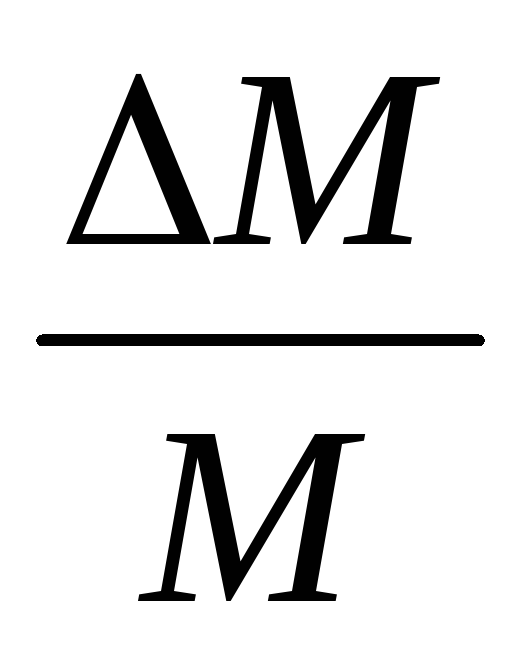 for one measurement. Calculate the half-width of the confidence
interval for r
to use the main errors of measurement, m0
and g
are table values.
for one measurement. Calculate the half-width of the confidence
interval for r
to use the main errors of measurement, m0
and g
are table values.
4. Calculate the half-width of the confidence interval for t using the first five measurements.
5. Put down the data of measurements in the table 15.4.
Table 15.4
|
№ |
ti s |
Δti, s |
Δti2, s2 |
Half-width of the trust interval |
ΔM/M |
||||||||||||
|
Δt, s |
Δr, m |
Δm, kg |
Δg, m/s2 |
ΔM, N˙m |
|||||||||||||
|
1 |
|
|
|
|
|
|
|
|
|
||||||||
|
2 |
|
|
|
|
|
|
|
|
|
||||||||
|
3 |
|
|
|
|
|
|
|
|
|
||||||||
|
4 |
|
|
|
|
|
|
|
|
|
||||||||
|
5 |
|
|
|
|
|
|
|
|
|
||||||||
|
|
ΣΔti2= |
||||||||||||||||
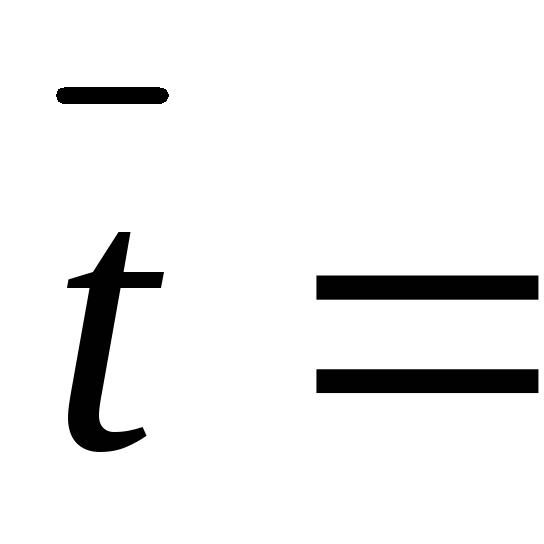
6. Put M versus ε on the graph.
7. Determine moment of inertia on the graph.
8. Make analysis of the experiment results.
15.4 Task 5.3
THE AIM is to determine moment of inertia of four loads at the shafts with dynamics and theoretical methods.
1. Put the data of measurements in the table 15.5.
Table 15.5
|
№ |
t, s |
s |
m0, kg |
r, m |
h, m |
R, m |
g |
I1, kg˙m2 |
I0, kg˙m2 |
g˙m2 |
|
1 |
|
|
|
|
|
|
|
|
|
|
|
2 |
|
|
|
|
|
|
|
|
|
|
|
3 |
|
|
|
|
|
|
|
|
|
|
|
4 |
|
|
|
|
|
|
|
|
|
|
|
5 |
|
|
|
|
|
|
|
|
|
|
 ,
, ,
, ,
,
2. Determine the moment of inertia of four loads at the shafts with the dynamics method.
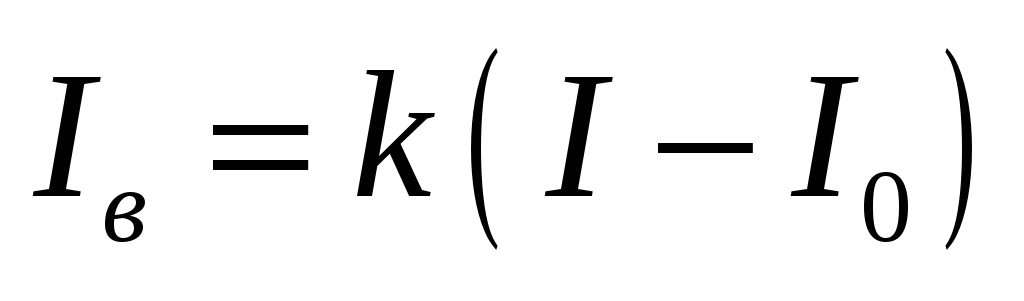 ,
,
where I0 is the moment of inertia of cross-shaped pendulum (I0 = 4,1510-2 кgm2); k is a coefficient, it takes into consideration the mean forces of friction and errors of the time measurements (k = 1.1).
3. Calculate the moment of inertia of four loads at the shafts by the formula
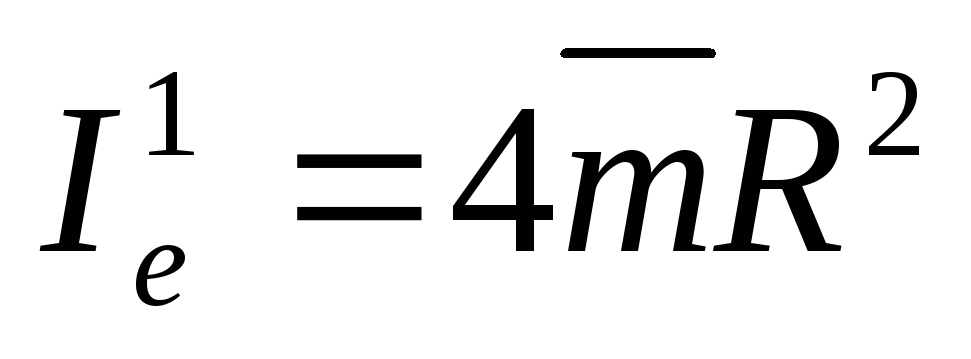 ,
,
where
 is
the mean mass of four loads; R
is distance between the axis of rotation and the centre of load's
gravity.
is
the mean mass of four loads; R
is distance between the axis of rotation and the centre of load's
gravity.
4. Calculate ΔI/I as an error of indirect measurement. Calculate the half- width of the confidence interval for r and h as a direct measurement errors, m and g are the table values. Calculate the half-width of the confidence interval of t as five direct measurements error.
5. Put the results of calculation in table 15.6.
Table 15.6
|
N |
ti, s |
Δti, s |
Δti2, s2 |
|
ΔI/I |
|||||
|
Δt, s |
Δl, m |
Δr, m |
Δm, kg |
Δg, m/s2 |
ΔI, kg˙m2 |
|||||
|
1 |
|
|
|
|
|
|
|
|
|
|
|
2 |
|
|
|
|
||||||
|
3 |
|
|
|
|
||||||
|
4 |
|
|
|
|
||||||
|
5 |
|
|
|
|
||||||
|
|
Σti =
|
ΣΔti2= |
||||||||
 =
=