Материал: 1764
Ability is a speed with which sb learns
high \ limited, low \ average, mixed + ability assess, test + ability
PHRASES
a level of ability
There was a high level of ability among the school leavers. a range of ability/abilities
СI taught a wide range of abilities.
2. Перевед те предложения на русский язык. Выпишите то, что
поможет вам постро ть описание знакомого или воображаемого человека с точкиизрен я его способностей:
Both players demonstrated their ability to hit the ball hard.
I seem to have lost my ability to attract clients.
Fox's abilities were soon recognized.
The schoolбdoes nothing for children of high ability.
It is much more difficult to teach a mixed-ability class.
3. Постройте схему, показывающую классификацию способностей человека.
4. Переведите представленныйАниже фрагмент текста, на основе его
содержания постройте опорную схему, по которой будет легко составить текст.
Ability may refer to:
•Aptitude, a component of a competency to do a certain kind of work at a certain level
•Intelligence, logic, abstract thought, understanding, self-awareness,
communication, learning, having emotional knowledge, retaining, planning, and problem solving Д
•Knowledge, a familiarity with someone or something, which can include facts, information, descriptions, or skills
•Skill, the learned ability to carry out a task with pre-determined results
•Power (social and political), the ability to influence people or events
•Capability (disambiguation)
И
•Superpower (ability), a popular culture term for a fictional superhuman ability
•Intellectual giftedness, an intellectual ability significantly higher than average
•Potential
36
5. Добавьте в полученную схему (задание 4) следующие прилагательные, используемые для описания способностей человека. Укажите, на какую (не)способность указывает то или иное прилагательное, например, рассеянный – указывает на неспособность концентрировать внимание и т.д.:
absent-minded, distracted – рассеянный [ˌæbsəntˈmaɪndɪd, dɪˈstræktɪd] accurate – аккуратный [ˈækjərət]
attentive, careful – вн мательный [əˈtentɪv, ˈkeəfʊl] average – средн й [ˈævərɪdʒ]
capable – способный [ˈkeɪpəbl̩] |
|
|
|
careless – невн мательный [ˈkeələs] |
|
||
С |
|
|
|
clever, intelligent– умный [ˈklevə, ɪnˈtelɪdʒənt] |
|
||
clumsy, awkward – |
[ˈklʌmzi, ˈɔːkwəd] |
||
crazy – сумасшедш й / чокнутый [ˈkreɪzi] |
|
||
deft, dexterous – ловк [deft, ˈdekstrəs] |
|
||
diligent – пр лежный [ˈdɪlɪdʒənt] |
|
|
|
неуклюжий |
|
|
|
dull, dim-witted – тупой [dʌl, ˈdɪmˈwɪtɪd] |
|
||
erudite – эруд рованный [ˈeruːdaɪt] |
|
||
exact – точный [ɪɡˈzækt] |
|
|
|
б |
|
||
experienced – опытный [ɪkˈspɪərɪənst] |
|
||
gifted – одаренный [ˈɡɪftɪd] |
|
|
|
great – гениальный [ˈɡreɪt] |
|
|
|
high-skilled – высококвалифицированный [haɪ skɪld] |
|||
ignorant – незнающий [ˈɪɡnərənt] |
|
|
|
industrious – усердныйА[ɪnˈdʌstrɪəs] |
|||
inexperienced – неопытный [ˌɪnɪkˈspɪərɪənst] |
|
||
lazy – ленивый [ˈleɪzi] |
|
|
И |
mad – сумасшедший [mæd] |
|
|
|
mediocre – посредственный [ˌmiːdɪˈəʊkə] |
|||
naive – наивный [naɪˈiːv] |
|
Д |
|
negligent – небрежный [ˈneɡlɪdʒənt] |
|
||
quick – находчивый [kwɪk] sharp-witted – остроумный [ʃɑːp ˈwɪtɪd]
silly, stolid, stupid – глупый [ˈsɪli, ˈstɒlɪd, ˈstjuːpɪd] skilful – умелый [ˈskɪlfəl]
sly – хитрый [slaɪ]
talented – талантливый [ˈtæləntɪd] thorough – тщательный [ˈθʌrə] unskilful – неумелый [ˈʌnˈskɪlfʊl] wise – мудрый [waɪz]
37
6. Изучите видео «Speaking English – Expressing ability with CAN, COULD, BE ABLE TO». Выпишите самые важные советы и рекомендации. Задайте 10 вопросов разных типов (специальные, альтернативные, разделительные, косвенные) по содержанию данной в видео информации. Будьте готовы ответить на вопросы одногруппников.
С |
ОТНОШЕНИЯ |
|
|
|
|
|
|
|
|
1. Изучите сочетаемостные возможности лексемы attitude, выпишите |
||||
полезные для оп сан я л чности словосочетания: |
|
|||
conciliatory, favourable, friendly, positive, responsible, right, sympathetic |
\ |
|||
и |
|
|
|
|
aggressive, bad, belligerent, cavalier, critical, hostile, irreverent, negative, |
||||
patronizing, wrong \ carefree, casual, |
flexible, laid-back, liberal, relaxed |
\ |
||
conservative, inflexible, rigid, uncompromising \ ambivalent \ general, prevailing, |
||||
public \ changing \ mental, moral, sexual + attitude |
|
|
||
б |
|
|
||
adopt, have, take \ change |
+ attitude |
|
|
|
Attitude + exist, persist, prevail |
|
|
|
|
Attitude + problem |
|
|
|
|
Attitude + about \ of \ to/towards |
|
|
|
|
PHRASES |
|
|
|
|
a change in/of attitude, |
|
|
|
|
with attitude (informal) (= having |
a confident, aggressive attitude that |
|||
challenges what people think) a rock band with attitude |
|
|||
2. Переведите предложенияАна русский язык. Выпишите то, что |
||||
поможет вам построить описание знакомого или воображаемого человека с |
||||
точки зрения его отношения к чему-либо\кому-либо: |
|
|||
She seems to have the right attitude for the job. |
|
|
||
The teachers seem to have a very relaxed attitude towards discipline. |
|
|||
The general attitude of the public isДsympathetic. |
|
|||
The government has taken a positive attitude to this problem. |
|
|||
The experience changed his attitude to religion. |
|
|
||
This sort of attitude exists among certain groups of people. |
|
|||
At school he was thought to have an attitude problem. |
|
|||
…changing attitudes about death |
|
И |
||
…an attitude of confidence and trust Youth is simply an attitude of mind.
There has been a marked change in attitude towards the European single currency.
3. Постройте опорную схему, содержащую сферы жизни – явления \ объекты – отношения людей к ним. Разверните полученные цепочки в предложения.
38

4. Переведите представленный ниже текст, на основе его содержания постройте опорную схему, по которой легко будет пересказать текст.
In psychology, attitude is a psychological construct, a mental and emotional entity that inheres in, or characterizes a
person.https://en.wikipedia.org/wiki/Attitude_(psychology) - cite_note-1 They are complex and
an acquired state through experiences. It is an individual's predisposed state of mind
Сpresent. Key topics in the study of attitudes include attitude strength, attitude change,иconsumer behavior, and attitude-behavior relationships.
regarding a value and it is precipitated through a responsive expression toward a person, place, thing, or event (the attitude object) which in turn influences the individual's thought and action. Attitude can be formed from a person's past and
An attitude is an evaluation of an attitude object, ranging from extremely negative to extremely positive. Most contemporary perspectives on attitudes also permit that people can also be conflicted or ambivalent toward an object by simultaneously holding both positive and negative attitudes toward the same object. This has led to some discussion of whether individual can hold multiple attitudes
toward the same object.https://en.wikipedia.org/wiki/Attitude_(psychology) - cite_note-5
An attitude can be as a positive or negative evaluation of people, objects, events, activities, and ideas. It could be concrete, abstract or just about anything in your environment, but there is a debate about precise definitions.
Attitude may influence the attention to attitude objects, the use of categories for |
||
б |
|
|
encoding information and the interpretation, judgement and recall of attitude-relevant |
||
information. These influences tend to be more powerful for strong attitudes which |
||
are accessible and based on elaborate |
supportive knowledge |
structure. |
https://en.wikipedia.org/wiki/Attitude (psychology) - |
cite note-auto1-8Attitudes |
can guide |
encoding information, attentionАand behaviors, even if the individual is pursuing |
||
unrelated goals. |
|
|
|
5. Изучите данную ниже лексику и постройте опорные схему, |
|||||||||||||||||||||||||
показывающие, какие объекты / явления / события могут вызвать то или |
||||||||||||||||||||||||||
иной отношение. |
|
|
Д |
|||||||||||||||||||||||
|
|
|
|
|
|
|
|
|
|
|
|
|
|
|
|
|
||||||||||
|
|
|
|
|
|
|
|
|
|
|
|
|
|
|
|
|
|
|
|
|
|
|
|
|
|
|
|
|
Хорошее отношение |
|
|
|
|
|
|
|
|
|
|
|
|
|
|
|
|
|
|
||||||
|
|
|
|
|
|
Плохое отношение |
|
|
||||||||||||||||||
|
|
|
|
|
|
|
|
|
|
|
|
|
|
|
|
|
|
|
|
|
|
|
|
|
|
|
|
|
|
|
|
|
|
|
|
|
|
|
|
|
|
|
|
|
|
|
|
|
|
|
|
|
|
|
|
|
|
|
|
|
|
|
|
|
|
|
|
|
Ненавидеть – hate |
|
|
|
И |
|||||||
|
|
Влюбиться – fall in love |
|
|
||||||||||||||||||||||
|
|
|
|
|
|
|
|
Ненавидеть – detest |
||||||||||||||||||
|
|
Любить – love |
|
|
|
|
|
|
|
|
|
|
|
|||||||||||||
|
|
|
|
|
|
|
|
|
|
|
|
|
Не любить – dislike |
|
|
|||||||||||
|
|
|
|
|
|
|
|
|
|
|
|
|
|
|
|
|
|
|||||||||
|
|
Любить – be fond of |
|
|
|
|
|
|
|
|
|
|
|
|||||||||||||
|
|
|
|
|
|
|
|
Не обращать внимания – disregard |
|
|
|
|||||||||||||||
|
|
Любить / нравиться – like |
|
|
|
|
||||||||||||||||||||
|
|
|
|
|
|
|
|
|
Бранить – scold |
|
|
|
|
|
|
|
|
|
|
|||||||
|
|
|
|
|
|
|
|
|
|
|
|
|
|
|
|
|
|
|
||||||||
|
|
Предпочитать – prefer |
|
|
|
|
|
|
|
|
|
|
|
|
|
|||||||||||
|
|
|
|
|
||||||||||||||||||||||
|
|
|
|
|
|
|
|
|
Ссориться – quarrel |
|
|
|
|
|
||||||||||||
|
|
Уважать – respect |
|
|
|
|
|
|
|
|
|
|
||||||||||||||
|
|
|
|
|
|
|
||||||||||||||||||||
|
|
|
|
|
|
|
|
|
|
Упрекать – reproach |
|
|
|
|
|
|||||||||||
|
|
Ценить – esteem |
|
|
|
|
|
|
|
|
|
|
||||||||||||||
|
|
|
|
|
|
|
|
|
|
|
|
|
Обвинять – accuse |
|
|
|
|
|
|
|
|
|||||
|
|
Хвалить – praise |
|
|
|
|
|
|
|
|
|
|
|
|
||||||||||||
|
|
|
|
|
|
|
|
|
|
|
|
|
Завидовать – envy |
|
|
|
|
|
|
|
|
|
||||
|
|
|
|
|
|
|
|
|
|
|
|
|
|
|
|
|
|
|
|
|
|
|||||
|
|
|
|
|
|
|
|
|
|
|
|
|
|
|
|
|||||||||||
|
|
|
|
|
|
|
|
|
|
|
|
|
|
|
|
|
|
|
|
|
|
|
|
|
|
|
39
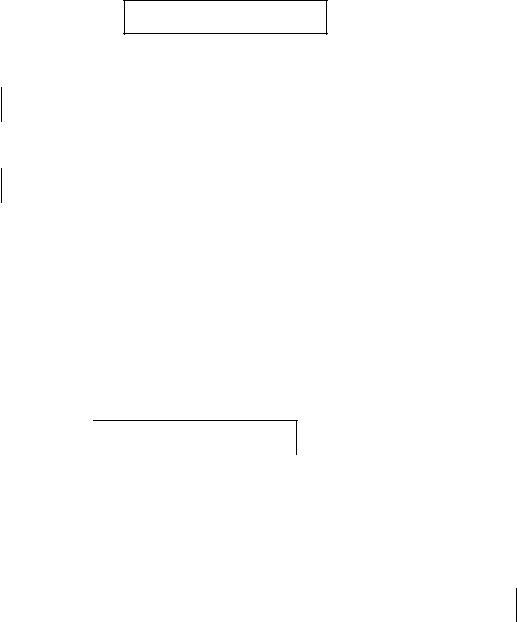
6. Изучите данную ниже схему и составьте по ней текст о типах взаимоотношений между людьми.
Взаимоотношения
|
|
Деловые / официальные |
|
Межличностные/ неофициальные |
|
|
|
||||||||
|
|
|
|
|
|
|
|
|
|
|
|
|
|
|
|
|
|
|
|
|
|
|
|
|
|
|
|
|
|
|
|
С |
|
|
|
|
|
|
|
|
|
|
|||||
|
|
Учитель – ученик |
|
|
Соседи |
|
|
|
|
|
|||||
|
|
Начальн к – подчиненный |
|
|
Знакомые \ приятели / товарищи |
|
|
|
|||||||
пассажир |
|
|
Друзья \ враги \ соперники / Предатель |
|
|||||||||||
|
|
Доктор – пациент |
|
|
|
||||||||||
|
|
|
|
|
|
|
|
|
|
|
|
|
|||
|
|
|
|
|
|
|
|
|
|
|
|
||||
|
|
Продавец – покупатель |
|
|
Любовники / супруги \ изменник |
|
|||||||||
|
|
|
|
|
|
|
|
|
|
|
|
|
|
||
|
|
|
|
|
|
|
|
|
|
|
|
|
|
|
|
|
|
Вод тель – |
|
|
|
Семейные |
|
|
|
|
|
||||
|
|
|
|
|
|
|
|
|
|
|
|
|
|
|
|
|
|
|
|
|
|
|
|
|
|
|
|
|
|
||
|
|
б |
|
|
|
|
|
|
|
|
|
|
|||
|
|
Тренер – спортсмен |
|
|
|
|
|
|
|
|
|
|
|||
|
|
Коллеги, партнеры |
|
|
|
|
|
|
|
|
|
|
|||
|
|
|
А |
||||||||||||
|
|
|
|||||||||||||
|
|
|
Relationships |
|
|
|
|
|
|
|
|||||
|
|
|
|
|
|
|
|
|
|
|
|
|
|||
|
|
|
|
|
|
|
|
|
|
|
|||||
|
|
Business / official |
|
|
Д |
|
|
||||||||
|
|
|
|
|
|
Interpersonal / informal |
|
|
|||||||
|
|
Teacher-student |
|
|
Neighbourhood |
|
|
|
|||||||
|
|
Supervisor-subordinate |
|
|
Familiar \ friends |
|
|
||||||||
|
|
|
|
|
|
|
|
|
|
|
|||||
|
|
Doctor-patient |
|
|
|
|
|
И |
|||||||
|
|
|
|
|
Friends \ enemies \ rivals / Traitor |
||||||||||
|
|
Seller-buyer |
|
|
|
Lovers / husband and wife \ traitor |
|
|
|||||||
|
|
Driver-passenger |
|
|
|
|
Family |
|
|
|
|
|
|
||
|
|
|
|
|
|
|
|
|
|
|
|
|
|||
|
|
Coach-athlete |
|
|
|
|
|
|
|
|
|
|
|
|
|
|
|
|
|
|
|
|
|
|
|
|
|
|
|
||
|
|
|
|
|
|
|
|
|
|
|
|
|
|||
|
|
Colleagues, partners |
|
|
|
|
|
|
|
|
|
|
|
||
|
|
|
|
|
|
|
|
|
|
|
|
|
|
|
|
Схема 6. Типы взаимоотношений между людьми
40