Материал: 1493
Prestressed concrete is not only used for beams but is now employed extensively for columns, pipes, and cylindrical water towers, storage tanks, etc.
Задание 6. Изучите представленные ниже схемы, сопоставьте их со схемами, полученными вами. Определите количественные характеристики информации, содержащейся в схемах.
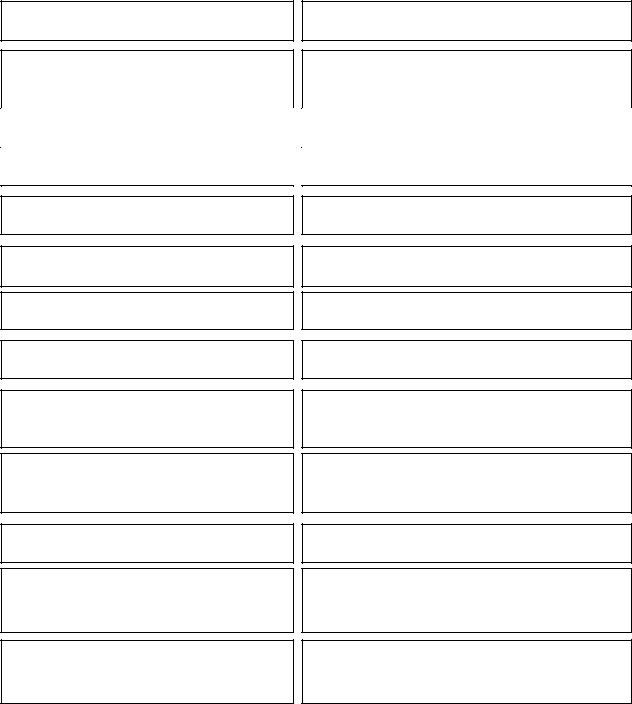
Схема 3. Виды бетонов
Виды бетонов |
|
Species of concrete |
|
|
|
Силикатный бетон
Асфальтобетон
Горячий бетон
Холодный бетон
Аэрированный легкий бетон
Фибробетон
Полимербетон, пластобетон
Пемзобетон
Пенобетон
Газобетон
Газошлакобетон
Газозолобетон
Керамзитобетон
silicate concrete
asphalt(ic) concrete, asphaltic-cement concrete, bituminous
hot-lay asphalt concrete
cold-lay asphalt
aerated lightweight concrete
fibrous concrete
polymer concrete
pumice concrete, pumeconcrete
aerated concrete, foam(ed) concrete, gas concrete, foam
blown-out concrete, aerocrete, aerated concrete, foam(ed) concrete, gas
gas-ash cilicate
(gas-)ash concrete, breeze concrete, flyash concrete
ceramsite concrete, claydite-concrete, expanded-clay concrete
25
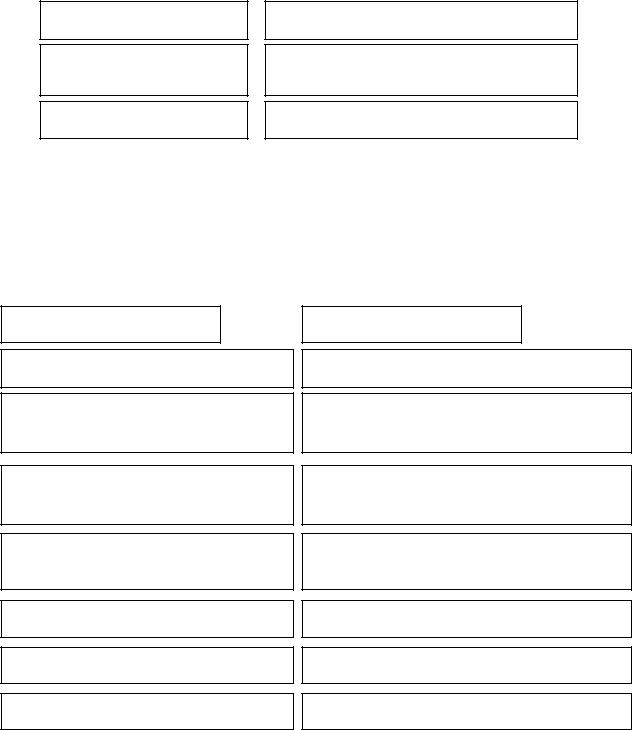
Схема 4. Бетонирование
Бетонирование
Бетоновоз (с перемешиванием в пути)
Бетономешалка
Concrete casting
agitator, concrete carrier, gondola, concrete hauler, dumpcrete truck
concrete mixer, mixer, batch plant
Бетононасос |
|
|
concrete pump |
|
|
|
|
|
|
|
|
Бетонировать |
|
|
incase, concrete |
|
|
|
|
|
Схема 5. Типы бетонов |
||
Типы бетонов
Строительный бетон
Ячеистый бетон
Тяжелый бетон (со средней плотностью 2200 – 2400 кг/м3)
Быстротвердеющий бетон
Армированный бетон
Неармированный бетон
Опилочный бетон
Types of concrete
structural concrete
cell concrete, cellular concrete, hollow concrete, porous concrete
heavy concrete
early-strength concrete, fast-hardening concrete, overnight concrete
armoured concrete
mass concrete, plain concrete
sawdust concrete
26
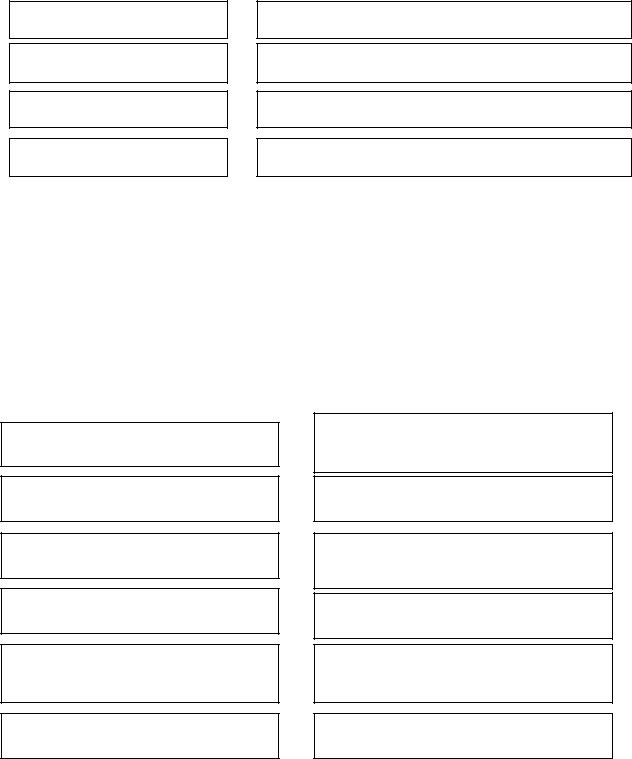
Схема 6. Железобетон
Железобетон |
|
Reinforced (steel) concrete, ferroconcrete |
|
|
|
Ячеистый железобетон
Легкий железобетон
Сборный железобетон
Тяжелый железобетон
wire-mesh reinforced concrete
light-weight reinforced concrete
precast concrete, precast structural concrete
heavy reinforced concrete
Задание 7. На основе всех сведений, полученных об обозначенном понятии, составьте учебный текст на английском языке.
Модуль 3. СТРОИТЕЛЬНЫЕ МАТЕРИАЛЫ ПО НАЗНАЧЕНИЮ Задание 1. Изучите схему. Постройте на ее основе учебный текст на
английском языке.
Схема 7. Строительные материалы. Классификация по назначению
Строительные материалы |
|
Building materials |
|
|
|
Классификация по назначению
Конструкционные
Теплоизоляционные
Акустические
Гидроизоляционные и кровельные
Герметизирующие
classification according purpose (function)
structural, constructional materials
heat-insulating materials (heatinsulators)
acoustic(al) materials
dampproofers, waterproofing and roofing materials
sealing materials
Отделочные |
|
finishing (trimming) agents |
|
|
|
|
|
|
Спец. назначения |
|
special-purpose products |
|
|
|
|
27 |
|
Задание 2. Определите место данных ниже терминов в предложенной выше классификации, дополните дефиниции терминов указанием на принадлежность материала к одной из групп в зависимости от его назначения.
Wood putty, also called plastic wood, is a substance used to fill imperfections, such as nail holes, in wood prior to finishing. It is often composed of wood dust combined with a binder that dries and a diluent (thinner), and, sometimes, pigment. Pore fillers used for large flat surfaces such as floors or table tops generally contain silica instead of or in addition to wood dust. Pores can also be filled using multiple coats of the final finish rather than a pore filler.
The main problem in using putty is matching the colour of the putty to that of the wood. Putties are usually sanded after they dry before applying the finish.
Many different brands, types, and colours are commercially available. Binders include lacquer, water-base, and linseed oil. Some woodworkers make their own putty using fine sanding dust (not sawdust, which is too coarse) with wood glue or a wood finish such as shellac.
Reed pressboard is a heat insulating slab building material moulded from reed stalks (or thatch) and connected with steel zinked wire.
Cut stone is a parallelepiped-shaped stone block used to blockworks and stone arching.
Tempera, also known as egg tempera, is a permanent, fast-drying painting medium consisting of colored pigment mixed with a water-soluble binder medium (usually a glutinous material such as egg yolk or some other size). Tempera also refers to the paintings done in this medium. Tempera paintings are very long lasting, and examples from the 1st centuries AD still exist. Egg tempera was a primary method of painting until after 1500 when it was superseded by the invention of oil painting. A paint consisting of pigment and glue size commonly used in the United States as poster paint is also often referred to as "tempera paint," although the binders and sizes in this paint are different from traditional tempera paint.
Fillers are particles added to material (plastics, composite material, concrete) to lower the consumption of more expensive binder material or to better some properties of the mixtured material. Worldwide more than 53 million tons of fillers are used every year in different application areas, such as paper, plastics, rubber, paints, coatings, adhesives and sealants.
A tile is a manufactured piece of hard-wearing material such as ceramic, stone, metal, or even glass. Tiles are generally used for covering roofs, floors, walls, showers, or other objects such as tabletops. Alternatively, tile can sometimes refer to similar units made from lightweight materials such as perlite, wood, and mineral
28
wool, typically used for wall and ceiling applications. In another sense, a tile is a construction tile or similar object, such as rectangular counters used in playing games (see tile-based game). Tiles are often used to form wall and floor coverings, and can range from simple square tiles to complex mosaics. Tiles are most often made from porcelain, fired clay or ceramic with a hard glaze, but other materials are also commonly used, such as glass, metal, cork, and stone. Tiling stone is typically marble, onyx, granite or slate. Thinner tiles can be used on walls than on floors, which require thicker, more durable surfaces.
Задание 3. Дайте дефиницию понятия грунтовка на английском языке. Дополните полученную дефиницию указанием на тип строительного материала (собственно материалы или изделия), происхождение и назначение. Используйте следующие выражения:
Наносимые первым слоем spreading as priming coat
подготовленную к окраске поверхность surface prepared for painting
уменьшение пористости decrement of porosity (sponginess) обеспечение требуемой адгезии adhesion requirements supporting лакокрасочное покрытие paint-and-lacquer coating окрашивающий состав coloring, dyeing compound
содержание пигмента pigmentation
Грунтовки – составы, наносимые первым слоем на подготовленную к окраске поверхность для уменьшения ее пористости и обеспечения требуемой адгезии лакокрасочного покрытия. От окрашивающих составов отличаются меньшим содержанием пигментов.
Задание 4. Изучите таблицу, выпишите транскрипцию терминов из словаря. Используйте полученную информацию при выполнении следующего задания.
Сочетаемость |
Толкование |
heavyweight aggregate |
Тяжелый заполнитель |
mineral filler |
Заполнитель дорожного покрытия |
gravel ballast |
Заполнитель из гравия |
mortar aggregate |
Заполнитель для раствора |
concrete aggregate |
Заполнитель для бетона |
fine aggregate |
Мелкий заполнитель |
coarse aggregate |
Крупный заполнитель |
multiple-size a. |
Многофункциональный заполнитель |
breeze aggregate |
Шлаковый заполнитель |
crushed-stone (crushed) aggregate |
Щебеночный заполнитель |
joint filler |
Заполнитель швов |
|
29 |