Материал: 2019 ESC acute pulmonaryembolism
ESC Guidelines |
11 |
|
|
Increased RV afterloada
|
|
|
|
RV dilatation |
|
|
|
|
|
||
|
|
|
|
TV insufficiency |
|
RV O2 delivery |
|
|
|
RV wall tension |
|
Coronary |
|
|
|
Neurohormonal |
|
perfusion of RV |
|
|
|
||
|
|
|
|
activation |
|
Systemic BP |
Obstructive |
Myocardial |
|||
shock |
|||||
inflammation |
|||||
|
|
|
|
||
Death |
RV O2 demand |
||||
CO |
|
|
|
||
LV preload |
|
|
|
Intrapulmonary A-V |
|
|
|
|
shunting |
||
|
|
|
|
||
RV output |
|
|
|
RV ischaemia, hypoxic injury |
|
|
|
|
2019 |
||
|
RV contractility |
||||
|
©ESC |
||||
|
|
|
|
||
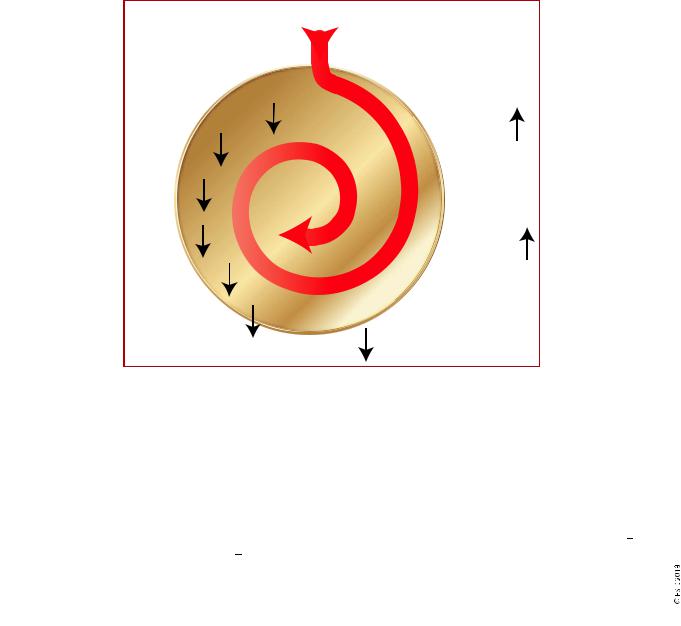
Figure 2 Key factors contributing to haemodynamic collapse and death in acute pulmonary embolism (modified from Konstantinides et al.65 with permission). A-V = arterio-venous; BP = blood pressure; CO = cardiac output; LV - left ventricular; O2 = oxygen; RV = right ventricular; TV = tricuspid valve.
aThe exact sequence of events following the increase in RV afterload is not fully understood.
Table 4 Definition of haemodynamic instability, which delineates acute high-risk pulmonary embolism (one of the following clinical manifestations at presentation)
(1) Cardiac arrest |
(2) Obstructive shock68 70 |
(3) Persistent hypotension |
Need for cardiopulmonary |
Systolic BP < 90 mmHg or vasopressors required |
Systolic BP < 90 mmHg or systolic BP drop >40 |
resuscitation |
to achieve a BP >90 mmHg despite adequate |
mmHg, lasting longer than 15 min and not caused by |
|
filling status |
new-onset arrhythmia, hypovolaemia, or sepsis |
|
|
|
|
And |
|
|
End-organ hypoperfusion (altered mental status; cold, |
|
|
clammy skin; oliguria/anuria; increased serum lactate) |
|
|
|
|
BP = blood pressure.
pulmonary arteries, combined with zones of overflow in the capillary bed served by non-obstructed pulmonary vessels, result in ventilation/perfusion mismatch, which contributes to hypoxaemia. In about one-third of patients, right-to-left shunting through a patent foramen ovale can be detected by echocardiography; this is caused by an inverted pressure gradient between the right atrium (RA) and left atrium, and may lead to severe hypoxaemia, and an increased risk of paradoxical embolization and stroke.67 Finally, even if they do not affect haemodynamics, small distal emboli may create areas of alveolar haemorrhage resulting in haemoptysis, pleuritis, and pleural effusion, which is usually mild. This clinical
.
.
.
.
.
.
.
.
.
.
.
.
.
.
.
.
.
.
.
.
.
.
.
.
.
.
.
.
.
.
.
.
.
.
presentation is known as ‘pulmonary infarction’. Its effect on gas exchange is normally mild, except in patients with pre-existing cardiorespiratory disease.
In view of the above pathophysiological considerations, acute RV failure, defined as a rapidly progressive syndrome with systemic congestion resulting from impaired RV filling and/or reduced RV flow output,68 is a critical determinant of clinical severity and outcome in acute PE. Accordingly, clinical symptoms, and signs of overt RV failure and haemodynamic instability, indicate a high risk of early (in-hospital or 30 day) mortality. High-risk PE is defined by haemodynamic instability and encompasses the forms of clinical presentation shown in Table 4.
2019 September 13 on guest by 1093/eurheartj/ehz405/5556136.abstract/doi/10-article-com/eurheartj/advance.oup.https://academic from Downloaded

12 |
ESC Guidelines |
|
|
As an immediately life-threatening situation, high-risk PE requires an emergency diagnostic (upon suspicion) and therapeutic (upon confirmation or if the level of suspicion is sufficiently high) strategy, as outlined in section 7. However, the absence of haemodynamic instability does not exclude beginning (and possibly progressing) RV dysfunction, and thus an elevated PE-related early risk. In this large population, further assessment (outlined in sections 5 and 7) is necessary to determine the level of risk and adjust management decisions accordingly.
4 Diagnosis
The increased awareness of venous thromboembolic disease and the ever-increasing availability of non-invasive imaging tests, mainly computed tomography (CT) pulmonary angiography (CTPA), have generated a tendency for clinicians to suspect and initiate a diagnostic workup for PE more frequently than in the past. This changing attitude is illustrated by the rates of PE confirmation among patients undergoing diagnostic workup: these were as low as 5% in recent North American diagnostic studies, in sharp contrast to the approximately 50% prevalence reported back in the early 1980s.71 Therefore, it is critical that, when evaluating non-invasive diagnostic strategies for PE in the modern era, it is ensured that they are capable of safely excluding PE in contemporary patient populations with a rather low pre-test probability of the disease.72 Conversely, a positive test should have an adequate specificity to set the indication for anticoagulant treatment.
4.1 Clinical presentation
The clinical signs and symptoms of acute PE are non-specific. In most cases, PE is suspected in a patient with dyspnoea, chest pain, presyncope or syncope, or haemoptysis.73 75 Haemodynamic instability is a rare but important form of clinical presentation, as it indicates central or extensive PE with severely reduced haemodynamic reserve. Syncope may occur, and is associated with a higher prevalence of haemodynamic instability and RV dysfunction.76 Conversely, and according to the results of a recent study, acute PE may be a frequent finding in patients presenting with syncope (17%), even in the presence of an alternative explanation.77
In some cases, PE may be asymptomatic or discovered incidentally during diagnostic workup for another disease.
Dyspnoea may be acute and severe in central PE; in small peripheral PE, it is often mild and may be transient. In patients with preexisting heart failure or pulmonary disease, worsening dyspnoea may be the only symptom indicative of PE. Chest pain is a frequent symptom of PE and is usually caused by pleural irritation due to distal emboli causing pulmonary infarction.78 In central PE, chest pain may have a typical angina character, possibly reflecting RV ischaemia, and requiring differential diagnosis from an acute coronary syndrome or aortic dissection.
In addition to symptoms, knowledge of the predisposing factors for VTE is important in determining the clinical probability of the disease, which increases with the number of predisposing factors present; however, in 40% of patients with PE, no predisposing factors are found.79 Hypoxaemia is frequent, but <40% of patients have normal arterial oxygen saturation (SaO2) and 20% have a
Table 5 The revised Geneva clinical prediction rule for pulmonary embolism
|
Items |
|
|
|
|
|
|
Clinical decision rule points |
|
||||||||
|
|
|
|
|
|
|
|
................................................ |
|||||||||
|
|
|
|
|
|
|
|
Original |
|
|
|
Simplified |
|
||||
|
|
|
|
|
|
|
|
version91 |
|
|
|
version87 |
|
||||
|
Previous PE or DVT |
|
|
|
3 |
|
|
|
|
1 |
|
|
|
||||
|
Heart rate |
|
|
|
|
|
|
|
|
|
|
|
|
|
|
|
|
|
75 94 b.p.m. |
|
|
|
|
3 |
|
|
|
|
1 |
|
|
|
|||
|
>95 b.p.m. |
|
|
|
|
|
5 |
|
|
|
|
2 |
|
|
|
||
|
Surgery or fracture within the |
|
|
2 |
|
|
|
|
1 |
|
|
|
|||||
|
past month |
|
|
|
|
|
|
|
|
|
|
|
|
|
|
|
|
|
Haemoptysis |
|
|
|
|
|
2 |
|
|
|
|
1 |
|
|
|
||
|
Active cancer |
|
|
|
|
|
2 |
|
|
|
|
1 |
|
|
|
||
|
Unilateral lower-limb pain |
|
|
3 |
|
|
|
|
1 |
|
|
|
|||||
|
Pain on lower-limb deep venous |
4 |
|
|
|
|
1 |
|
|
|
|||||||
|
palpation and unilateral oedema |
|
|
|
|
|
|
|
|
|
|
||||||
|
Age >65 years |
|
|
|
|
|
1 |
|
|
|
|
1 |
|
|
|
||
|
|
|
|
|
|
|
|
|
|
|
|
|
|
|
|||
|
Clinical probability |
|
|
|
|
|
|
|
|
|
|
|
|
|
|||
|
Three-level score |
|
|
|
|
|
|
|
|
|
|
|
|
|
|
|
|
|
Low |
|
|
|
|
|
|
0 3 |
|
|
|
0 1 |
|
|
|||
|
Intermediate |
|
|
|
|
|
4 10 |
|
|
|
2 4 |
|
|
||||
|
High |
|
|
|
|
|
|
>11 |
|
|
|
>5 |
|
|
|
||
|
Two-level score |
|
|
|
|
|
|
|
|
|
|
|
|
|
|
|
|
|
PE-unlikely |
|
|
|
|
|
0 5 |
|
|
|
0 2 |
|
|
||||
|
PE-likely |
|
|
|
|
|
|
>6 |
|
|
|
|
>3 |
|
|
|
|
|
b.p.m. = beats per minute; DVT = deep vein thrombosis; PE = pulmonary |
||||||||||||||||
|
embolism. |
|
|
|
|
|
|
|
|
|
|
|
|
|
|
|
|
. |
normal alveolar |
|
arterial oxygen gradient. |
80,81 |
Hypocapnia is also |
||||||||||||
. |
|
|
|||||||||||||||
. |
|
|
|
||||||||||||||
. |
often present. A chest X-ray is frequently abnormal and, although |
||||||||||||||||
. |
|||||||||||||||||
. |
|
|
|
|
|
|
|
|
|
|
|
|
|
|
|
|
|
. |
its findings |
are |
usually |
non-specific |
in PE, |
it may be useful for |
|||||||||||
. |
|||||||||||||||||
. |
|
|
|
|
|
|
|
|
|
|
|
|
|
|
|
|
|
. |
excluding |
other causes |
|
of |
dyspnoea |
or |
|
chest |
pain. |
82 |
|||||||
. |
|
|
|
||||||||||||||
. |
|
|
|
|
|
|
|
|
|
|
|
|
|
|
|
|
|
. |
Electrocardiographic changes indicative of |
RV |
strain—such as |
||||||||||||||
. |
|||||||||||||||||
. |
|||||||||||||||||
. |
|
|
|
|
|
|
|
|
|
|
|
|
|
|
|
|
|
. |
inversion of T waves in leads V1 V4, a QR pattern in V1, a |
||||||||||||||||
.. |
|||||||||||||||||
. |
S1Q3T3 pattern, and incomplete or complete right bundle branch |
||||||||||||||||
. |
|||||||||||||||||
. |
|
|
|
|
|
|
|
|
|
|
|
|
|
|
83 |
|
|
. |
block—are usually found in more severe cases of PE; |
|
in milder |
||||||||||||||
. |
|
||||||||||||||||
. |
|
|
|
|
|
|
|
|
|
|
|
|
|
|
|
|
|
. |
cases, the only abnormality may be sinus tachycardia, present in |
||||||||||||||||
. |
|||||||||||||||||
. |
|
|
|
|
|
|
|
|
|
|
|
|
|
|
|
|
|
. |
40% of patients. Finally, atrial arrhythmias, most frequently atrial |
||||||||||||||||
. |
|||||||||||||||||
. |
|
|
|
|
|
|
|
|
|
|
|
|
|
|
|
|
|
. |
fibrillation, may be associated with acute PE. |
|
|
|
|
|
|
|
|||||||||
. |
|
|
|
|
|
|
|
||||||||||
. |
|
|
|
|
|
|
|
|
|
|
|
|
|
|
|
|
|
. |
|
|
|
|
|
|
|
|
|
|
|
|
|
|
|
|
|
. |
|
|
|
|
|
|
|
|
|
|
|
|
|
|
|
|
|
. |
|
|
|
|
|
|
|
|
|
|
|
|
|
|
|
|
|
. |
4.2 Assessment of clinical (pre-test) |
|
|
||||||||||||||
. |
|
|
|||||||||||||||
. |
|
|
|
|
|
|
|
|
|
|
|
|
|
|
|
|
|
. |
probability |
|
|
|
|
|
|
|
|
|
|
|
|
|
|
||
.. |
|
|
|
|
|
|
|
|
|
|
|
|
|
|
|||
. |
|
|
|
|
|
|
|
|
|
|
|
|
|
|
|
|
|
. |
The combination of symptoms and clinical findings with the presence |
||||||||||||||||
. |
|||||||||||||||||
. |
|
|
|
|
|
|
|
|
|
|
|
|
|
|
|
|
|
. |
|
|
|
|
|
|
|
|
|
|
|
|
|
|
|
|
|
. of predisposing factors for VTE allows the classification of patients |
|||||||||||||||||
. |
|
|
|
|
|
|
|
|
|
|
|
|
|
|
|
|
|
. |
with suspected PE into distinct categories of clinical or pre-test proba- |
||||||||||||||||
. |
|||||||||||||||||
. |
|
|
|
|
|
|
|
|
|
|
|
|
|
|
|
|
|
. |
|
|
|
|
|
|
|
|
|
|
|
|
|
|
|
|
|
. bility, which correspond to an increasing actual prevalence of con- |
|||||||||||||||||
. |
|
|
|
|
|
|
|
|
|
|
|
|
|
|
|
|
|
. |
|
|
|
|
|
|
|
|
|
|
|
|
|
|
|
|
|
. firmed PE. This pre-test assessment can be done either by implicit |
|||||||||||||||||
. |
|
|
|
|
|
|
|
|
|
|
|
|
|
|
|
|
|
. |
(empirical) clinical judgement |
or by using prediction rules. As the |
|||||||||||||||
. |
|||||||||||||||||
. |
|
|
|
|
|
|
|
|
|
|
|
|
|
|
|
|
|
. |
post-test (i.e. after an imaging test) probability of PE depends not only |
||||||||||||||||
. |
|||||||||||||||||
. |
|
|
|
|
|
|
|
|
|
|
|
|
|
|
|
|
|
. |
on the characteristics of the diagnostic test itself but also on the pre- |
||||||||||||||||
. |
|||||||||||||||||
. |
|
|
|
|
|
|
|
|
|
|
|
|
|
|
|
|
|
. |
test probability, this is a key step in all diagnostic algorithms for PE. |
|
|||||||||||||||
. |
|
||||||||||||||||
. |
|
|
|
|
|
|
|
|
|
|
|
|
|
|
|
|
|
. |
The value of empirical clinical judgement has been confirmed in |
||||||||||||||||
. |
|||||||||||||||||
. |
|
|
|
84,85 |
|
|
|
|
|
|
|
|
|
|
|
|
|
. |
several large |
|
Clinical |
judgement |
usually |
includes |
|||||||||||
. |
series. |
|
|||||||||||||||
2019 September 13 on guest by 1093/eurheartj/ehz405/5556136.abstract/doi/10-article-com/eurheartj/advance.oup.https://academic from Downloaded

ESC Guidelines |
13 |
commonplace tests such as chest X-rays and electrocardiograms for differential diagnosis. However, as clinical judgement lacks standardization, several explicit clinical prediction rules have been developed. Of these, the most frequently used prediction rules are the revised Geneva rule (Table 5) and the Wells rule (see Supplementary Data Table 1).86 Both prediction rules have been simplified in an attempt to increase their adoption into clinical practice;87,88 the simplified versions have been externally validated.89,90
Regardless of the score used, the proportion of patients with confirmed PE can be expected to be 10% in the low-probability category, 30% in the moderate-probability category, and 65% in the highprobability category.92 When the two-level classification is used, the proportion of patients with confirmed PE is 12% in the PE-unlikely category and 30% in the PE-likely category.92 A direct prospective comparison of these rules confirmed a similar diagnostic performance.89
4.3 Avoiding overuse of diagnostic tests for pulmonary embolism
Searching for PE in every patient with dyspnoea or chest pain may lead to high costs and complications of unnecessary tests. The Pulmonary Embolism Rule-out Criteria (PERC) were developed for emergency department patients with the purpose of selecting, on clinical grounds, patients whose likelihood of having PE is so low that diagnostic workup should not even be initiated.93 They comprise eight clinical variables significantly associated with an absence of PE: age < 50 years; pulse < 100 beats per minute; SaO2 >94%; no unilateral leg swelling; no haemoptysis; no recent trauma or surgery; no history of VTE; and no oral hormone use. The results of a prospective validation study,94 and those of a randomized non-inferiority management study,95 suggested safe exclusion of PE in patients with low clinical probability who, in addition, met all criteria of the PERC rule. However, the low overall prevalence of PE in these studies94,95 does not support the generalizability of the results.
4.4 D-dimer testing
D-dimer levels are elevated in plasma in the presence of acute thrombosis because of simultaneous activation of coagulation and fibrinolysis. The negative predictive value of D-dimer testing is high, and a normal D-dimer level renders acute PE or DVT unlikely. On the other hand, the positive predictive value of elevated D-dimer levels is low and D-dimer testing is not useful for confirmation of PE. D-dimer is also more frequently elevated in patients with cancer,96,97 in hospitalized patients,89,98 in severe infection or inflammatory disease, and during pregnancy.99,100 Accordingly, the number of patients in whom D-dimer must be measured to exclude one PE (number needed to test) rises from 3 in the general population of an emergency department to >10 in the specific situations listed above.
As a number of D-dimer assays are available, clinicians should become aware of the diagnostic performance of the test used in their own hospital. The quantitative enzyme-linked immunosorbent assay (ELISA) or ELISA-derived assays have a diagnostic sensitivity of >95%, and can be used to exclude PE in patients with either low or intermediate pre-test probability. In the emergency department, a negative ELISA D-dimer can, in combination with clinical probability, exclude the disease without further testing in 30% of patients with suspected PE.101 103 Outcome studies have shown that the 3 month thrombo-
.
.
.
.
.
.
.
.
.
.
.
.
.
.
.
.
.
.
.
.
.
.
.
.
.
.
.
.
.
.
.
.
.
.
.
.
.
.
.
.
.
.
.
.
.
.
.
.
.
.
.
.
.
.
.
.
.
.
.
.
.
.
.
.
.
.
.
.
.
.
.
.
.
.
.
.
.
.
.
.
.
.
.
.
.
.
.
.
.
.
.
.
.
.
.
.
.
.
.
.
.
.
.
.
.
.
.
.
.
.
.
.
.
.
.
.
.
.
.
.
.
.
.
.
.
.
.
.
.
.
.
.
.
.
.
.
.
.
.
.
.
.
.
.
.
.
.
.
.
.
.
.
.
.
.
.
.
.
.
.
.
.
.
.
.
.
.
.
.
.
.
.
.
embolic risk was <1% in patients with low or intermediate clinical probability who were left untreated on the basis of a negative test result.104
4.4.1 Age-adjusted D-dimer cut-offs
The specificity of D-dimer in suspected PE decreases steadily with age to 10% in patients >80 years of age.105 The use of age-adjusted cutoffs may improve the performance of D-dimer testing in the elderly. A multinational prospective management study evaluated a previously validated age-adjusted cut-off (age 10 mg/L, for patients aged >50 years) in a cohort of 3346 patients.106 Patients with a normal ageadjusted D-dimer value did not undergo CTPA; they were left untreated and followed for a 3 month period. Among the 766 patients who were >75 years of age, 673 had a non-high clinical probability.
Use of the age-adjusted (instead of the ‘standard’ 500 mg/L) D-dimer cut-off increased the number of patients in whom PE could be excluded from 6.4 to 30%, without additional false-negative findings.106
4.4.2 D-dimer cut-offs adapted to clinical probability
A prospective management trial used the ‘YEARS’ clinical decision rule, which consists of three clinical items of the Wells score (see Supplementary Data Table 1)—namely signs of DVT, haemoptysis, and PE more likely than an alternative diagnosis—plus D-dimer concentrations.107 PE was considered to be excluded in patients without clinical items and D-dimer levels <1000 ng/mL, or in patients with one or more clinical items and D-dimer levels <500 ng/mL. All other patients underwent CTPA. Of the 2946 patients (85%) in whom PE was ruled out at baseline and who were left untreated, 18 [0.61%, 95% confidence interval (CI) 0.36 0.96%] were diagnosed with symptomatic VTE during the 3 month follow-up. CTPA was avoided in 48% of the included patients using this algorithm, compared to 34% if the Wells rule and a fixed D-dimer threshold of 500 ng/mL would have been applied.107
4.4.3 Point-of-care D-dimer assays
In certain situations, notably in community or primary care medicine, ‘on-the-spot’ D-dimer testing may have advantages over referring a patient to a central laboratory for D-dimer testing. This may particularly apply to remote areas where access to healthcare is limited.108,109 However, point-of-care assays have a lower sensitivity and negative predictive value compared with laboratory-based D-dimer tests. In a systematic review and meta-analysis, sensitivity of point-of- care D-dimer assays was 88% (95% CI 83 92%) whereas conventional laboratory-based D-dimer testing had a sensitivity of at least 95%.110 As a result, point-of-care D-dimer assays should only be used in patients with a low pre-test probability. In these situations, PE could be ruled out in 46% of patients with suspected PE without proceeding to imaging tests (with a failure rate of 1.5%), as suggested by a prospective study in Dutch primary care.111
4.5 Computed tomographic pulmonary angiography
Multidetector CTPA is the method of choice for imaging the pulmonary vasculature in patients with suspected PE. It allows adequate visualization of the pulmonary arteries down to the subsegmental level.112 114 The Prospective Investigation On Pulmonary Embolism Diagnosis (PIOPED) II study observed a sensitivity of 83% and a
2019 September 13 on guest by 1093/eurheartj/ehz405/5556136.abstract/doi/10-article-com/eurheartj/advance.oup.https://academic from Downloaded

14 |
|
|
|
|
|
|
|
|
|
|
|
ESC Guidelines |
|
|
|
|
|||||||||||
Table 6 Imaging tests for diagnosis of pulmonary embolism |
|
|
|||||||||||
|
|
|
|
|
|
|
|
|
|
|
|
|
|
|
|
|
|
|
Strengths |
|
|
|
Weaknesses/limitations |
|
|
|
Radiation issuesa |
|
CTPA |
|
• Readily available around the clock in most |
|
• Radiation exposure |
|
• Radiation effective dose 3 10 |
||||||
|
|
|
|
|
centres |
|
• Exposure to iodine contrast: |
|
mSvb |
||||
|
|
|
|
|
• Excellent accuracy |
|
limited use in iodine allergy and |
|
• Significant radiation exposure |
||||
|
|
|
|
|
• Strong validation in prospective manage- |
|
hyperthyroidism |
|
to young female breast tissue |
||||
|
|
|
|
|
ment outcome studies |
|
risks in pregnant and breastfeeding |
|
|
||||
|
|
|
|
|
• Low rate of inconclusive results (3 5%) |
|
women |
|
|
||||
|
|
|
|
|
• May provide alternative diagnosis if PE |
|
contraindicated in severe renal failure |
|
|
||||
|
|
|
|
|
excluded |
|
• Tendency to overuse because of easy |
|
|
||||
|
|
|
|
|
• Short acquisition time |
|
accessibility |
|
|
||||
|
|
|
|
|
|
|
|
|
• Clinical relevance of CTPA diagnosis of |
|
|
||
|
|
|
|
|
|
|
|
|
subsegmental PE unknown |
|
|
||
|
Planar |
|
• Almost no contraindications |
|
• Not readily available in all centres |
|
• Lower radiation than CTPA, |
||||||
|
V/Q scan |
|
• Relatively inexpensive |
|
• Interobserver variability in interpretation |
|
effective dose 2 mSvb |
||||||
|
|
|
|
|
• Strong validation in prospective manage- |
|
• Results reported as likelihood ratios |
|
|
||||
|
|
|
|
|
ment outcome studies |
|
• Inconclusive in 50% of cases |
|
|
||||
|
|
|
|
|
|
|
|
|
• Cannot provide alternative diagnosis if PE |
|
|
||
|
|
|
|
|
|
|
|
|
excluded |
|
|
||
|
V/Q SPECT |
|
• Almost no contraindications |
|
• Variability of techniques |
|
• Lower radiation than CTPA, |
||||||
|
|
|
|
|
• Lowest rate of non-diagnostic tests (<3%) |
|
• Variability of diagnostic criteria |
|
effective dose 2 mSvb |
||||
|
|
|
|
|
• High accuracy according to available data |
|
• Cannot provide alternative diagnosis if PE |
|
|
||||
|
|
|
|
|
• Binary interpretation (‘PE’ vs. ‘no PE’) |
|
excluded |
|
|
||||
|
|
|
|
|
|
|
|
|
• No validation in prospective management |
|
|
||
|
|
|
|
|
|
|
|
|
outcome studies |
|
|
||
|
|
|
|
|
|
|
|
|
|
|
|
|
|
|
Pulmonary |
|
• Historical gold standard |
|
• Invasive procedure |
|
• Highest radiation, effective |
||||||
|
angiography |
|
|
|
|
|
• Not readily available in all centres |
|
dose 10 20 mSvb |
||||
|
|
|
|
|
|
|
|
|
|
|
|
|
|
CTPA = computed tomographic pulmonary angiography; mGy = milligray; mSv = millisieverts; PE = pulmonary embolism; SPECT = single-photon emission computed tomography; V/Q = ventilation/perfusion (lung scintigraphy).
aIn this section, effective radiation dose is expressed in mSv [dose in mSv = absorbed dose in mGy radiation weighting factor (1.0 for X-rays) tissue weighting factor]. This reflects the effective doses of all organs that have been exposed, that is, the overall radiation dose to the body from the imaging test. Compare with Table 12, in which the absorbed radiation dose is expressed in mGy to reflect the radiation exposure to single organs or to the foetus.
bFor comparison, the whole-body effective dose of a chest X-ray examination is 0.1 mSv.141
specificity of 96% for (mainly four-detector) CTPA in PE diagnosis.115 PIOPED II also highlighted the influence of pre-test clinical probability on the predictive value of multidetector CTPA. In patients with a low or intermediate clinical probability of PE, a negative CTPA had a high negative predictive value for PE (96 and 89%, respectively), but its negative predictive value was only 60% if the pre-test probability was high. Conversely, the positive predictive value of a positive CTPA was high (92 96%) in patients with an intermediate or high clinical probability, but much lower (58%) in patients with a low pre-test likelihood of PE.115 Therefore, clinicians should consider further testing in case of discordance between clinical judgement and the CTPA result.
Several studies have provided evidence in favour of CTPA as a stand-alone imaging test for excluding PE. Taken together, the available data suggest that a negative CTPA result is an adequate criterion for the exclusion of PE in patients with low or intermediate clinical probability of PE. On the other hand, it remains controversial whether patients with a negative CTPA and a high clinical probability should be further investigated.
Chronic thromboembolic pulmonary hypertension (CTEPH) is a potentially fatal late sequela of PE, but pre-existing CTEPH should not
.
.
.
.
.
.
.
.
.
.
.
.
.
.
.
.
.
.
.
.
.
.
.
.
.
.
.
.
.
.
.
.
.
.
.
.
.
.
.
.
.
.
.
.
.
.
.
.
.
.
.
.
.
.
.
.
.
.
.
.
.
be missed in patients investigated for suspected acute PE. Signs of preexisting CTEPH on CTPA are listed in Supplementary Data Table 2; the diagnosis and management of CTEPH is discussed in section 10.
The major strengths, weaknesses/limitations, and radiation issues related to the use of CTPA in the diagnosis of PE are summarized in
Table 6.
4.6 Lung scintigraphy
The planar ventilation/perfusion [V/Q (lung scintigraphy)] scan is an established diagnostic test for suspected PE. Perfusion scans are combined with ventilation studies, for which multiple tracers such as xenon-133 gas, krypton-81 gas, technetium-99m-labelled aerosols, or technetium-99m-labelled carbon microparticles (Technegas) can be used. The purpose of the ventilation scan is to increase specificity: in acute PE, ventilation is expected to be normal in hypoperfused segments (mismatched). Being a lower-radiation and contrast mediumsparing procedure, the V/Q scan may preferentially be applied in outpatients with a low clinical probability and a normal chest X-ray, in young (particularly female) patients, in pregnant women, in patients
2019 September 13 on guest by 1093/eurheartj/ehz405/5556136.abstract/doi/10-article-com/eurheartj/advance.oup.https://academic from Downloaded

ESC Guidelines |
15 |
with history of contrast medium-induced anaphylaxis, and patients with severe renal failure.116
Planar lung scan results are frequently classified according to the criteria established in the PIOPED study.117 These criteria were the subject of debate and have been revised.118,119 To facilitate communication with clinicians, a three-tier classification is preferable: normal scan (excluding PE), high-probability scan (considered diagnostic of PE in most patients), and non-diagnostic scan.120 122 Prospective clinical outcome studies suggested that it is safe to withhold anticoagulant therapy in patients with a normal perfusion scan. This was confirmed by a randomized trial comparing the V/Q scan with CTPA.122 An analysis from the PIOPED II study suggested that a highprobability V/Q scan could confirm PE, although other sources suggest that the positive predictive value of a high-probability lung scan is
not sufficient to confirm PE in patients with a low clinical probability.123,124
Performing only a perfusion scan might be acceptable in patients with a normal chest X-ray; any perfusion defect in this situation would be considered a mismatch. The high frequency of nondiagnostic scans is a limitation because they indicate the necessity for further diagnostic testing. Various strategies to overcome this problem have been proposed, notably the incorporation of clinical probability. Although the use of perfusion scanning and chest X-ray with the Prospective Investigative Study of Acute Pulmonary Embolism Diagnosis (PISAPED) criteria may be associated with a low rate of inconclusive results, the sensitivity appears too low to exclude PE and thus this approach may be less safe than CTPA.123,125
Several studies suggest that data acquisition in single-photon emission CT (SPECT) imaging, with or without low-dose CT, may decrease the proportion of non-diagnostic scans to as low as 0 5%.121,126 128 However, most studies reporting on the accuracy of SPECT are limited by their retrospective design129,130 or the inclusion of SPECT itself in the reference standard,127 and only one study used a validated diagnostic algorithm.131 The diagnostic criteria for SPECT also varied; most studies defined PE as one or two subsegmental perfusion defects without ventilation defects, but these criteria are infrequently used in clinical practice. In addition, the optimal scanning technique (perfusion SPECT, V/Q SPECT, perfusion SPECT with non-enhanced CT, or V/Q SPECT with non-enhanced CT) remains to be defined. Finally, few outcome studies are available, and with incomplete follow-up.132 Large-scale prospective studies are needed to validate SPECT techniques.
The major strengths, weaknesses/limitations, and radiation issues related to the use of V/Q scan and V/Q SPECT in the diagnosis of PE are summarized in Table 6.
4.7 Pulmonary angiography
For several decades, pulmonary angiography was the ‘gold standard’ for the diagnosis or exclusion of acute PE, but it is now rarely performed as less-invasive CTPA offers similar diagnostic accuracy.133 The diagnosis of acute PE is based on direct evidence of a thrombus in two projections, either as a filling defect or as amputation of a pulmonary arterial branch.134 Thrombi as small as 1 2 mm within the subsegmental arteries can be visualized by digital subtraction angiography, but there is substantial interobserver variability at this level.135,136
Pulmonary angiography is not free of risk. In a study of 1111 patients, procedure-related mortality was 0.5%, major non-fatal
.
.
.
.
.
.
.
.
.
.
.
.
.
.
.
.
.
.
.
.
.
.
.
.
.
.
.
.
.
.
.
.
.
.
.
.
.
.
.
.
.
.
.
.
.
.
.
.
.
.
.
.
.
.
.
.
.
.
.
.
.
.
.
.
.
.
.
.
.
.
.
.
.
.
.
.
.
.
.
.
.
.
.
.
.
.
.
.
.
.
.
.
.
.
.
.
.
.
.
.
.
.
.
.
.
.
.
.
.
.
.
.
.
.
.
.
.
.
.
.
.
.
.
.
.
.
.
.
.
.
.
.
.
.
.
.
.
.
.
.
.
.
.
.
.
.
.
.
.
.
.
.
.
.
.
.
.
.
.
.
.
.
.
.
.
.
.
.
.
.
.
.
.
complications occurred in 1%, and minor complications in 5%.137 The majority of deaths occurred in patients with haemodynamic compromise or respiratory failure. The amount of contrast agent should be reduced and non-selective injections avoided in patients with haemodynamic compromise.138
The major strengths, weaknesses/limitations, and radiation issues related to the use of pulmonary angiography in the diagnosis of PE are summarized in Table 6.
4.8 Magnetic resonance angiography
Magnetic resonance angiography (MRA) has been evaluated for several years regarding suspected PE. However, the results of large-scale studies139,140 show that this technique, although promising, is not yet ready for clinical practice due to its low sensitivity, the high proportion of inconclusive MRA scans, and its low availability in most emergency settings. The hypothesis that a negative MRA, combined with the absence of proximal DVT on compression ultrasonography (CUS), may safely rule out clinically significant PE is currently being investigated in an ongoing multicentre outcome study [Clinicaltrials.gov National Clinical Trial (NCT) number 02059551].
4.9 Echocardiography
Acute PE may lead to RV pressure overload and dysfunction, which can be detected by echocardiography. Given the peculiar geometry of the RV, there is no individual echocardiographic parameter that provides fast and reliable information on RV size or function. This is why echocardiographic criteria for the diagnosis of PE have differed between studies. Because of the reported negative predictive value of 40 50%, a negative result cannot exclude PE.124,142,143 On the other hand, signs of RV overload or dysfunction may also be found in the absence of acute PE, and may be due to concomitant cardiac or respiratory disease.144
Echocardiographic findings of RV overload and/or dysfunction are graphically presented in Figure 3. RV dilation is found in >25% of patients with PE on transthoracic echocardiography (TTE) and is useful for risk stratification of the disease.145 More specific echocardiographic findings were reported to retain a high positive predictive value for PE even in the presence of pre-existing cardiorespiratory disease. Thus, the combination of a pulmonary ejection acceleration time (measured in the RV outflow tract) <60 ms with a peak systolic tricuspid valve gradient <60 mmHg (‘60/60’ sign), or with depressed contractility of the RV free wall compared to the ‘echocardiographic’ RV apex (McConnell sign), is suggestive of PE.146 However, these findings are present in only 12 and 20% of unselected PE patients, respectively.145 Detection of echocardiographic signs of RV pressure overload helps to distinguish acute PE from RV free wall hypokinesia or akinesia due to RV infarction, which may mimic the McConnell sign.147 It should be noted that in 10% of PE patients, echocardiography can show potentially misleading incidental findings such as significant LV systolic dysfunction or valvular heart disease.145 Decreased tricuspid annular plane systolic excursion (TAPSE) may also be present in PE patients.148,149 Echocardiographic parameters of RV function derived from Doppler tissue imaging and wall strain assessment may also be affected by the presence of acute PE (Figure 3). However, they probably have low sensitivity as stand-alone findings, as they were reported to be normal in haemodynamically stable patients despite the presence of PE.150,151
2019 September 13 on guest by 1093/eurheartj/ehz405/5556136.abstract/doi/10-article-com/eurheartj/advance.oup.https://academic from Downloaded