Материал: 1764

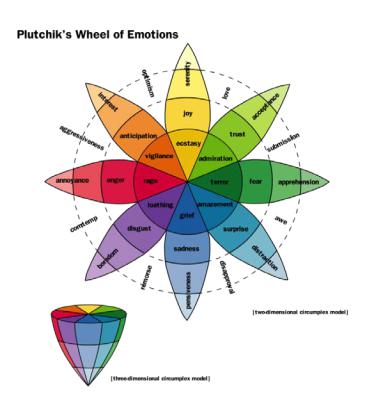
10. Переведите данную ниже схему. Перестройте схему в своей логике, указывая свойства и признаки человека, испытывающего перечисленные эмоции и чувства.
|
|
|
|
|
|
|
|
|
|
|
|
|
|
|
|
|
|
|
|
|
|
|
|
|
|
|
|
|
|
|
|
|
|
|
|
|
|
|
|
|
|
|
|
|
|
|
|
|
|
|
|
|
|
|
|
|
|
|
|
|
|
|
|
|
|
|
|
|
|
|
|
|
|
|
|
|
|
|
|
|
|
|
|
|
|
|
|
|
|
|
|
Эмоции |
|
|
|
|
|
|
|
||||||||||
|
|
|
|
|
|
|
|
|
|
|
|
|
|
|
|
|
|
|
|
|
|
|
|
|
|
|
|
|
|
|
|
чувства и состояния |
|
|
|
|||||||||||||||||||
|
|
|
|
|
|
Положительные |
|
|
|
|
|
|
|
|
|
|
|
|
|
|
|
|
|
|
|
|
|
|
|
|
|
|
|
|
|
|
|
Отрицательные |
|
|
|
|||||||||||||
|
|
|
|
|
|
|
|
|
|
|
|
|
|
|
|
|
|
|
|
|
|
|
|
|
|
|
|
|
|
|
|
|
|
|
|
|
|
|
|
|
|
|
|
|
|
|
|
|
|
|
|
|||
|
|
|
|
|
|
|
|
|
|
|
|
|
|
|
|
|
|
|
|
|
|
|
|
|
|
|
|
|
|
|
|
|
|
|
|
|
|
|
|
|
|
|
|
|
|
|
|
|
|
|
|
|
|
|
|
|
|
|
|
|
|
|
Любовь |
|
|
|
|
|
|
|
|
|
|
|
|
|
|
|
|
|
|
|
|
|
|
|
|
|
|
|
|
|
|
|
|
|
|
|
|||||||||||
|
|
|
|
|
|
|
|
|
|
|
|
|
|
|
|
|
|
|
|
|
|
|
|
|
|
|
|
|
|
|
|
|
|
|
|
Страх |
|
Грусть |
|
|||||||||||||||
|
|
|
|
|
|
|
|
|
|
|
|
|
|
|
|
|
|
|
|
|
|
|
|
|
|
|
|
|
|
|
|
|
|
|
|
|
|
|
|
|
|
|
|
|
|
|
|
|
|
|||||
|
|
|
|
|
|
|
|
|
|
|
|
|
|
|
|
|
|
|
|
|
|
|
|
|
|
|
|
|
|
|
|
|
|
|
|
|
|
|
|
|
|
|
|
|
|
|
|
|
|
|
|
|||
|
|
|
|
|
|
|
|
|
|
|
|
|
|
|
|
|
|
|
|
|
|
|
|
|
|
|
|
|
|
|
|
|
|
|
|
|
|
|
|
|
|
|
|
|
|
|
|
|
|
|
|
|
|
|
|
|
|
|
|
|
|
|
|
|
|
|
|
|
|
|
|
|
|
|
|
|
|
|
|
|
|
|
|
|
|
|
|
|
|
|
|
|
|
|
|
|
|
|
|
|
|
|
|
|
|
|
|
|
|
|
|
|
Радость |
|
|
|
|
|
|
|
|
|
|
|
Расположен е |
|
|
|
|
|
|
|
|
|
|
|
|
|
|
|
|
|
|
|
|
|
|
Беспокойство |
|
Печаль |
|
|||||||||||||
|
|
|
|
|
|
Раздражение |
|
|||||||||||||||||||||||||||||||||||||||||||||||
|
|
|
Восторг |
|
|
|
|
|
|
|
|
|
|
|
|
|
|
|
|
|
|
|
||||||||||||||||||||||||||||||||
|
|
|
|
|
|
|
|
|
|
|
|
|
Обожан е |
|
|
|
|
|
Возмущение |
|
|
|
|
|
|
|
Тревога |
|
Горе |
|
||||||||||||||||||||||||
|
|
|
|
|
|
|
||||||||||||||||||||||||||||||||||||||||||||||||
С |
|
|
|
|
|
|
|
|
|
|
|
|||||||||||||||||||||||||||||||||||||||||||
|
|
|
|
|
|
|
|
|
|
|
|
|
|
|
|
|
|
|
|
|
|
|
|
|
|
|
|
|
|
|
|
|
|
|
|
|
|
|
|
|
|
|||||||||||||
|
|
|
Надежда |
|
|
|
|
|
|
|
|
Благоговен е |
|
|
|
|
|
Негодование |
|
|
|
|
|
|
Ужас |
|
Угнетенность |
|
||||||||||||||||||||||||||
|
|
|
Гордость |
|
|
|
|
|
|
|
|
|
|
|
|
|
|
|
|
|||||||||||||||||||||||||||||||||||
|
|
|
|
|
|
|
|
|
|
|
Любовь |
|
|
|
|
|
|
|
|
|
|
|
|
|
Недовольство |
|
|
|
|
|
|
Паника |
|
Мрачность |
|
|||||||||||||||||||
|
|
|
|
|
|
|
|
|
|
|
|
|
|
|
|
|
|
|||||||||||||||||||||||||||||||||||||
|
|
|
|
|
е |
|
|
|
|
|
|
|
|
|
|
|
|
|
|
|
|
|
|
|
|
|
|
|||||||||||||||||||||||||||
|
|
|
покойств е |
|
|
|
|
|
|
Пр вязанность |
|
|
|
|
|
Отвращение |
|
|
|
|
|
|
|
|
Испуг |
|
Отчаяние |
|
||||||||||||||||||||||||||
|
|
|
|
|
|
|
|
|
|
|
|
|
|
|
|
|
|
|
||||||||||||||||||||||||||||||||||||
|
|
|
|
|
|
|
|
|
|
|
|
|
|
|
|
|
|
|||||||||||||||||||||||||||||||||||||
|
|
|
|
|
|
|
|
|
Уважен е |
|
|
|
|
|
|
|
|
|
|
|
Презрение |
|
|
|
|
|
|
|
|
|
Волнение |
|
Депрессия |
|
||||||||||||||||||||
|
|
|
|
|
|
|
|
|
|
|||||||||||||||||||||||||||||||||||||||||||||
|
|
|
Безмятежность |
|
|
|
|
|
|
|
|
|
|
|
|
|
|
|
|
|
||||||||||||||||||||||||||||||||||
|
|
|
|
|
|
|
|
Ум лен е |
|
|
|
|
|
|
|
|
|
|
|
|
|
|
|
|
|
|||||||||||||||||||||||||||||
|
|
|
|
|
|
|
|
|
|
|
|
|
|
|
|
|
|
|
Бешенство |
|
|
|
|
|
|
|
|
Настороженность |
|
Опустошенность |
|
|||||||||||||||||||||||
|
|
|
Воодушевлен е |
|
|
е |
|
|
|
|
|
|
|
|
|
|
|
|
|
|
|
|||||||||||||||||||||||||||||||||
|
|
|
|
|
|
|
|
Дружелю |
|
|
|
|
|
|
|
О ида |
|
|
|
|
|
|
|
|
|
|
|
|
|
|
|
|
|
Подозрение |
|
Беспомощность |
|
|||||||||||||||||
|
|
|
|
|
|
|
|
|
|
|
|
|
|
|
|
|
|
|
|
|
|
|
|
|
||||||||||||||||||||||||||||||
|
|
|
ЛикованиеУмиротворен |
|
|
|
|
|
|
|
|
|
|
|
|
|
|
|
|
|
|
|
|
|
|
|
||||||||||||||||||||||||||||
|
|
|
|
|
|
|
|
|
|
|
|
|
|
|
|
|
|
|
|
|
|
|
|
|
|
|
|
|
||||||||||||||||||||||||||
|
|
|
Предвкушен е |
|
|
|
|
С мпат я |
|
|
|
|
|
Уязвленность |
|
|
|
|
|
|
Боязнь |
|
Слабость |
|
||||||||||||||||||||||||||||||
|
|
|
|
|
|
|
Сочувств е |
|
|
|
|
|
Злость |
|
|
|
|
|
|
|
|
|
|
|
|
|
|
Опасение |
|
Ранимость |
|
|||||||||||||||||||||||
|
|
|
|
|
|
|
|
|
|
|
|
|
||||||||||||||||||||||||||||||||||||||||||
|
|
|
Триумф |
|
|
|
|
Нежность |
|
|
|
|
|
Досада |
|
|
|
|
|
|
|
|
|
Трепет |
|
Угрюмость |
|
|||||||||||||||||||||||||||
|
|
|
|
|
|
|
|
|
|
|
|
|
||||||||||||||||||||||||||||||||||||||||||
|
|
|
Удачливость |
|
|
|
|
Великодушие |
|
|
|
|
|
|
|
|
Зависть |
|
|
|
|
|
|
|
|
Шок |
|
Подавленность |
|
|||||||||||||||||||||||||
|
|
|
|
|
|
|
|
|
|
|
|
|||||||||||||||||||||||||||||||||||||||||||
|
|
|
Удовольствие |
|
|
|
|
Восхищение |
|
|
|
|
|
|
|
|
|
|
|
|
|
|
|
|
|
|
|
|
|
|
||||||||||||||||||||||||
|
|
|
|
|
|
|
|
|
|
|
|
|
|
|
|
|
Надменность |
|
|
|
|
Ошарашенность |
|
Разочарование |
|
|||||||||||||||||||||||||||||
|
|
|
Оптимизм |
|
|
|
б |
|
|
|
|
|
|
|
|
|
||||||||||||||||||||||||||||||||||||||
|
|
|
|
|
|
|
Увлечение |
Злорадство |
|
|
|
|
|
Остолбенение |
|
Стыд |
|
|||||||||||||||||||||||||||||||||||||
|
|
|
Блаженство |
|
|
|
|
|
|
|
|
|
|
|
|
|
|
|
|
|
|
|
|
|
|
|
|
|
|
|
|
|||||||||||||||||||||||
|
|
|
|
|
|
|
Забота |
|
|
|
|
|
|
|
|
|
|
|
|
|
|
|
|
|
Неприязнь |
|
|
|
|
|
|
Оцепенение |
|
Покинутость |
|
|||||||||||||||||||
|
|
|
|
|
|
|
|
|
|
|
|
|
|
|
|
|||||||||||||||||||||||||||||||||||||||
|
|
|
Приподнятость |
|
|
|
|
Интерес |
|
|
|
|
|
|
|
|
|
|
|
|
|
|
|
|
|
|
|
|
|
|
|
|
|
|
|
|
|
|
|
|
|
|
|
Изумление |
|
Болезненность |
|
|||||||
|
|
|
|
|
|
|
|
|
|
|
|
|
|
Мстительность |
|
|||||||||||||||||||||||||||||||||||||||
|
|
|
Оживление |
|
|
|
|
Теплота |
|
|
|
|
|
|
|
|
|
|
|
|
|
|
|
|
Оскорбленность |
|
|
|
Потрясение |
|
Нелюдимость |
|
||||||||||||||||||||||
|
|
|
Возбуждение |
|
|
|
|
Сочувствие |
|
|
|
|
|
|
|
|
Сопротивление |
|
|
|
Впечатлительность |
|
Удрученность |
|
||||||||||||||||||||||||||||||
|
|
|
|
|
|
|
|
|
|
|
|
|
|
|
Доверие |
|
|
|
|
|
|
|
|
|
|
|
|
|
|
Надменность |
|
|
|
Нервозность |
|
Апатия |
|
|||||||||||||||||
|
|
|
|
|
|
|
|
|
|
|
|
|
|
|
Влюбленность |
А |
|
|
|
|
||||||||||||||||||||||||||||||||||
|
|
|
|
|
|
|
|
|
|
|
|
|
|
|
|
|
|
|
|
|
грессия |
|
|
|
Замешательство |
|
Растерянность |
|
||||||||||||||||||||||||||
|
|
|
|
|
|
|
|
|
|
|
|
|
|
|
Доброта |
|
|
|
|
|
|
|
|
|
|
|
|
|
|
Ревность |
|
|
|
Застенчивость |
|
Вина |
|
|||||||||||||||||
|
|
|
|
|
|
|
|
|
|
|
|
|
|
|
Благодарность |
|
|
|
|
|
|
Ярость |
|
|
|
Смущение |
|
Сомнение |
|
|||||||||||||||||||||||||
|
|
|
|
|
|
|
|
|
|
|
|
|
|
|
|
|
|
|
|
|
|
|
|
|
|
|
|
|
|
|
|
|
Ненависть |
|
|
|
|
|
Сломленность |
|
||||||||||||||
|
|
|
|
|
|
|
|
|
|
|
|
|
|
|
|
|
|
|
|
|
|
|
|
|
|
|
|
|
|
|
|
|
|
Д |
|
Тоска |
|
|||||||||||||||||
|
|
|
|
|
|
|
|
|
|
|
|
|
|
|
|
|
|
|
|
|
|
|
|
|
|
|
|
|
|
|
|
|
|
|
Скорбь |
|
||||||||||||||||||
|
|
|
|
|
|
|
|
|
|
|
|
|
|
|
|
|
|
|
|
|
|
|
|
|
|
|
|
|
|
|
|
|
|
|
|
|
||||||||||||||||||
|
|
|
|
|
|
|
|
|
|
|
|
|
|
|
|
|
|
|
|
|
|
|
|
|
|
|
|
|
|
|
|
|
|
|
Человек |
|
|
|
|
|
|
|
||||||||||||
|
|
|
|
|
|
|
|
|
|
|
|
|
|
|
|
|
|
|
|
|
|
|
|
|
|
|
|
|
|
|
|
|
|
|
|
|
|
|
|
|||||||||||||||
|
|
|
Оптимист |
|
|
|
|
Влюбленный |
|
|
|
|
|
Злюка |
|
|
|
Трус |
|
Слабак |
|
|||||||||||||||||||||||||||||||||
|
|
|
Весельчак |
|
|
|
|
Добряк |
|
|
|
|
|
Ревнивец |
|
|
|
|
|
Пессимист |
|
|||||||||||||||||||||||||||||||||
|
|
|
Шутник |
|
|
|
|
|
|
|
|
|
|
|
|
|
|
|
|
|
|
|
|
|
|
|
Псих |
|
|
|
|
|
Брюзга |
|
||||||||||||||||||||
|
|
|
|
|
|
|
|
|
|
|
|
|
|
|
|
|
|
|
|
|
|
|
|
|
|
|
|
|
|
|
|
|
Вредина |
|
|
|
И |
|
||||||||||||||||
|
|
|
|
|
|
|
|
|
|
|
|
|
|
|
|
|
|
|
|
|
|
|
|
|
|
|
|
|
|
|
|
|
|
|
|
|
|
|
|
|||||||||||||||
|
|
|
|
|
|
|
|
|
|
|
|
|
|
|
|
|
|
|
|
|
|
|
|
|
|
|
|
|
|
|
|
|
|
|
|
|
|
|
|
|
|
|
|
|
|
|
|
|
|
|
|
|
|
|
ЭМОЦИИ
1. Изучите сочетаемостные возможности лексемы emotion, выпишите полезные для описания личности словосочетания:
deep, extreme, intense, overwhelming, powerful, profound, strong, violent \ complex \ conflicting, contradictory, mixed, tangled \ destructive, negative \ positive
С\ inner, innermost \ painful \ fragile \ raw \ pent-up, suppressed \ human + emotion flicker, hint, trace of \ flood, rush, surge, wave of \ display of + emotion
иexperience, feel \ be choked with, be filled with, be overcome with \ be devoid of, be drained of \ display, express, show \ release \ betray \ shake with, tremble with \ bottle up, control, hide, stifle, suppress \ cope with, deal with, handle \ confront \ arouse, provoke, stir (up) \ be charged with, be full of + emotion
with/withoutб+ emotion
Phrases
depth/intensity of emotion a gamut/range of emotions
2. Переведите предложения на русский язык. Выпишите то, что
поможет вам построить описание знакомого или воображаемого человека с точки зрения его эмоциональных состояний в той или иной ситуации:
А She felt torn by conflicting emotions.Д
Counseling can teach people to handle negative emotions such as fear and anger. The nurse was handling his fragile emotions very carefully.
… a moving performance full of raw emotion Years of pent-up emotion came out as he sobbed. Fear is a normal human emotion.
There wasn't a hint of emotion in his eyes.
She felt a sudden rush of emotion at the thought of seeing him again. She could not cope with such public displays of emotion.
…the emotions that we experience as children |
И |
He felt no emotion as she left. |
|
Her voice was choked with emotion. |
Drama can help children to express their emotions. The woman's face showed no emotion.
Releasing these emotions is part of the healing process. She realized she was shaking all over with emotion.
Counselors encourage victims of crime to confront their emotions. …an incident that has aroused strong emotions locally
… a speech that was charged with emotion She spoke with deep emotion.
57
The film has a surprising depth of emotion for a comedy.
Her performance in the play covered the whole gamut of emotions.
3. Представьте опорную схему, показывающую разные типы ситуаций и эмоции, которые они вызывают у человека.
4. Прочитайте, переведите |
текст |
и постройте |
опорную |
схему, |
|
отображающую содержание текста. Разверните полученную схему в текст. |
|||||
Emotion is a mental |
state variously |
associated with |
thoughts, |
feelings, |
|
behavioral responses, and a degree of pleasure or displeasure. There is currently no |
|||||
scientific consensus on |
a |
definition. |
Emotion |
is |
|
often intertwined with mood, temperament, personality, disposition, motivation. |
|||||
С |
|
|
|
|
|
In some theories, cognition is an important aspect of emotion. Those acting |
|||||
primarily on the emotions they are feeling may seem as if they are not thinking, but |
|||||
mental processes are still essential, particularly in the interpretation of events. For |
|||||
example, the realization of our believing that we are in a dangerous situation and the |
|||||
subsequentиarousal of our body's nervous system (rapid heartbeat and breathing, |
|||||
sweating, muscle tension) is integral to the experience of our feeling afraid. Other |
|||||
theories, however, claim that emotion is separate from and can precede cognition. |
|||||
б Consciously experiencingАan emotion is exhibiting a mental representation of that
emotion from a past or hypothetical experience, which is linked back to a content state of pleasure or displeasure. The content states are established by verbal explanations of experiences, describing an internal state.
Д И
58
For more than 40 years, Paul Ekman has supported the view that emotions are
discrete, |
measurable, |
and |
physiologically distinct. His research findings |
|||
led |
him |
to |
classify |
six |
emotions |
as |
basic: anger, disgust, fear, happiness, sadness and surprise.https://en.wikipedia.org/wiki/Em |
||||||
otion - cite_note-Handel-38 Later |
in his career,https://en.wikipedia.org/wiki/Emotion |
- cite_note- |
||||
Ekman_and_Cordaro-39 Ekman theorized that other universal emotions may exist beyond these six. In light of this, recent cross-cultural studies led by Daniel Cordaro and Dacher Keltner, both former students of Ekman, extended the list of universal
emotions. |
In addition |
to |
the |
original six, these studies provided |
evidence |
||||
for amusement, awe, contentment, desire, embarrassment, pain, relief, |
|
|
|||||||
and sympathy in both |
facial and vocal expressions. They also found |
evidence |
|||||||
for boredom, confusion, interest, pride, |
and shame facial expressions, |
as |
well |
||||||
as contempt, interest, relief, and triumph vocal expressions. |
|
|
|||||||
С |
|
|
|
|
|
|
|
||
Robert Plutchik agreed with Ekman's biologically driven perspective but |
|||||||||
developed the "wheel of emotions", suggesting eight primary emotions grouped on a |
|||||||||
positive or negative basis: joy versus sadness; anger versus fear; trust versus disgust; |
|||||||||
and surprise versus anticipation. Some basic emotions can be modified to form |
|||||||||
complexиemotions. The complex emotions could arise from cultural conditioning or |
|||||||||
association |
combined |
with |
the |
basic |
emotions. Alternatively, similar to |
the |
|||
way primary colors combine, primary emotions could blend to form the full spectrum |
|||||||||
of human emotional experience. For example, interpersonal anger and disgust could |
|||||||||
blend to form contempt. Relationships |
exist between basic emotions, resulting in |
||||||||
|
|
б |
|
|
|
||||
positive or negative influences. |
|
|
|
|
|
||||
5. Прочтите, найдите в словаре транскрипцию: |
|
|
|
||||||
1. |
passionately |
|
|
Д |
|
|
|||
А |
|
|
|||||||
2. |
unrequited |
|
|
||||||
3. |
compelled |
|
|
|
|
И |
|||
4. |
jealousy |
|
|
|
|
||||
5. |
beget |
|
|
|
|
||||
6. |
aversion |
|
|
|
|
||||
6. Переведите. Найдите антонимы в словаре: |
|||||||||
1. |
behavioral |
|
|
|
|
||||
2. |
subsequent |
|
|
|
|
||||
3. |
arousal |
|
|
|
|
||||
4. |
sweating |
|
|
|
|
||||
5. |
precede |
|
|
|
|
|
|
|
|
6. |
consciously |
|
|
|
|
|
|
|
|
7. |
discrete |
|
|
|
|
|
|
|
|
8. |
disgust |
|
|
|
|
|
|
|
|
9. |
amusement |
|
|
|
|
|
|
|
|
10. awe |
|
|
|
|
|
|
|
|
|
11. embarrassment |
|
|
|
|
|
|
|
||
12. |
relief |
|
|
|
|
|
|
|
|
59
13.facial
14.boredom
15.intertwined
7. |
Ответьте на вопросы к тексту: |
1. |
What is emotion? |
2. |
Is emotion separate from cognition? |
С |
|
3. |
What is consciously experiencing an emotion? |
4. |
How are established content states? |
5. |
How many emotions were classified by Paul Ekman? |
6. |
What are they? |
и |
|
7. |
Who extended the list of universal emotions? |
8. |
Did the find evidence for boredom, confusion, interest? |
9. |
Who developed the “wheel of emotions”? |
10. On what principle is based his suggestion? |
|
|
б |
11. How could arise complex emotions?
12. What could blend contempt forming?
8. Соотнес те представленные ниже прилагательные чувств, эмоций и настроен й с основными эмоциями (задание 4). Укажите, что именно может быть охарактеризовано данными словами.
abominable – отвратительный [əˈbɒmɪnəbl̩] |
|
|
agitated – взволнованный [ˈædʒɪteɪtɪd] |
|
|
angry, cross – сердитый [ˈæŋɡri, krɒs] |
|
|
|
Д |
|
angst – ridden – испуганный [æŋst ˈrɪdn̩] |
|
|
appalled – напуганныйА, потрясенный [əˈpɔːld] |
||
astonished – изумленный [əˈstɒnɪʃt] |
И |
|
awed – трепещущий [ɔːd] |
|
|
awful, terrible – ужасный [ˈɔːfl̩,ˈterəbl̩] |
||
bad – плохой [bæd] |
|
|
beautiful, lovely – красивый [ˈbjuːtəfl̩,ˈlʌvli] |
||
bored – скучающий [bɔːd] |
|
|
boring – надоедливый [ˈbɔːrɪŋ] |
|
|
cheerful – веселый [ˈtʃɪəfəl] |
|
|
cheery, mirthful – радостный [ˈtʃɪəri, ˈmɜːθfəl] |
||
contented – довольный [kənˈtentɪd] |
||
dangerous – опасный [ˈdeɪndʒərəs] |
|
|
dejected – угнетенный [dɪˈdʒektɪd]
delightful – восхищенный, удовлетворенный [dɪˈlaɪtfəl] disgusting, unpleasant – неприятный [dɪsˈɡʌstɪŋ, ʌnˈpleznt] distressed – расстроенный [dɪˈstrest]
disturbing – тревожный / вызывающий беспокойство [dɪˈstɜːbɪŋ] doubtful – сомневающийся [ˈdaʊtfʊl]
dreamy – мечтательный, витающий в облаках [ˈdriːmi]
60