Материал: part03

Внимание! Если размещение файла нарушает Ваши авторские права, то обязательно сообщите нам

DICOM PS3.3 2020a - Information Object Definitions​

Page 381​

A.59.4.1 Enhanced US Volume Functional Group Macros Content Constraints​

A.59.4.1.1 US Image Description Macro​

The value of Volumetric Properties (0008,9206) shall be VOLUME. The value of Volume Based Calculation Technique (0008,9207)​ shall be NONE.​

A.59.4.1.2 Plane Position (Volume) and Plane Orientation (Volume) Macros​

Image Position (Volume) (0020,9301) first value (X) shall be zero and second value (Y) shall be zero. Image Orientation (Volume)​ (0020,9302) values shall be 1\0\0\0\1\0. This ensures that the origins of each frame lies on the Volume Frame of Reference ZV axis,​ the rows of each frame are parallel to the Volume Frame of Reference XV axis, and the columns of each frame are parallel to the​ Volume Frame of Reference YV axis.​

Adjacent planes in the volume shall be equally spaced in the Z direction.​

Note​

1.​Morethanoneframemaybeencodedforthesameplane,forexample,withadifferenttemporalorcardiaccycleposition.​

2.​FrameswiththesamevalueofImagePosition(Volume)(0020,9301)willalsohavethesamesecondvalueofDimension​ Index Value (the spatial position Dimension); See Section C.8.24.3.3.​

3.​When Ultrasound Acquisition Geometry (0020,9307) has a value of PATIENT, the Plane Position (Patient) and Plane​ Orientation (Patient) Functional Group Macros will be present. They may contain Attributes with identical values to the​ corresponding Attributes in the Plane Position (Volume) and Plane Orientation (Volume) Functional Group Macros if​ theframesaretransverseandtheoriginofthePatient-BasedCoordinateSystemandthevolumecoincide(i.e.,toremain​ compliant with the first paragraph of this section, which constrains the origin and orientation of the Volume Frame of​ Reference.​

A.60 Ophthalmic Refractive Measurements Information Object Definitions​

The following IODs specify Module use for storage of the measurements from ophthalmic refractive instruments. These instruments​ address the power of a lens or of a Patient's eye to bend light. There are many ophthalmic refractive instruments used to create this​ type of information. Some examples include Lensometers, Keratometers, Autorefractors, etc. An Ophthalmic Measurements SOP​ Instance is related to a single Series within a single Study.​

A.60.1 Lensometry Measurements IOD​

A.60.1.1 Lensometry Measurements IOD Description​

The Lensometry Measurements IOD is used to capture the refractive measurements by a lensometer of spectacles.​

A.60.1.2 Lensometry Measurements IOD Entity-Relationship Model​

This IOD uses the E-R Model in Section A.1.2, with only the Measurements IE below the Series IE.​

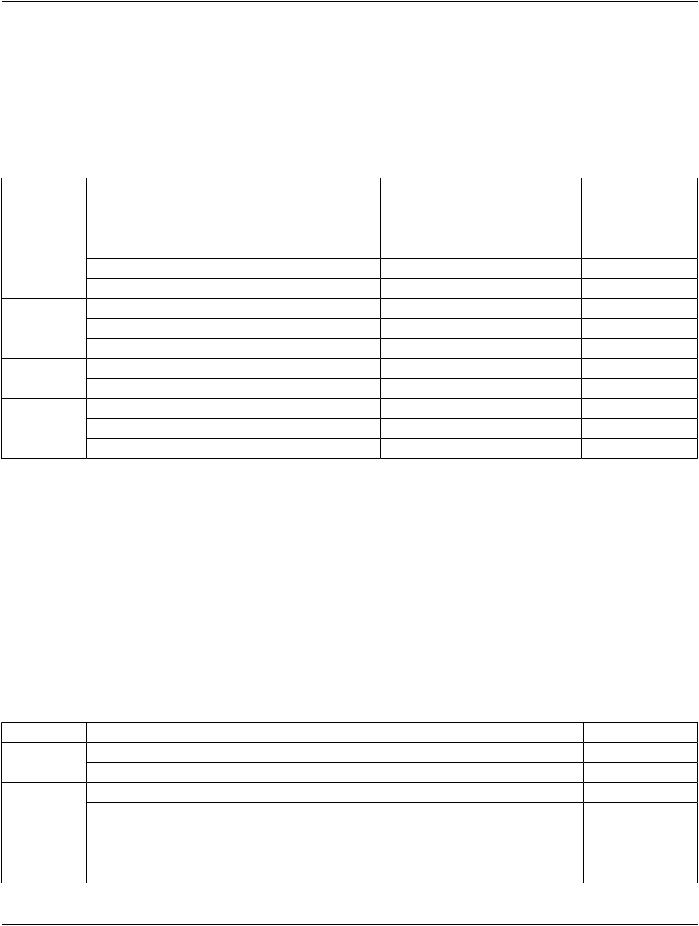
A.60.1.3 Lensometry Measurements IOD Module Table​

Table A.60.1-1 specifies the Modules of the Lensometry Measurements IOD.​

Table A.60.1-1. Lensometry Measurements IOD Modules​

IE​

Module​

Reference​

Usage​

Patient​

Patient​

C.7.1.1​

M​


Clinical Trial Subject​

C.7.1.3​

U​

Study​

General Study​

C.7.2.1​

M​


Patient Study​

C.7.2.2​

U​

- Standard -​

Page 382​

DICOM PS3.3 2020a - Information Object Definitions​


IE​

Module​

Reference​

Usage​


Clinical Trial Study​

C.7.2.3​

U​

Series​

General Series​

C.7.3.1​

M​


Lensometry Measurements Series​

C.8.25.1​

M​


Clinical Trial Series​

C.7.3.2​

U​

Equipment​

General Equipment​

C.7.5.1​

M​


Enhanced General Equipment​

C.7.5.2​

M​

Measurements​General Ophthalmic Refractive Measurements​

C.8.25.7​

M​


Lensometry Measurements​

C.8.25.8​

M​


SOP Common​

C.12.1​

M​

A.60.2 Autorefraction Measurements IOD​

A.60.2.1 Autorefraction Measurements IOD Description​

The Autorefraction Measurements IOD is used to encode the results of a modality (autorefractor) that automatically determines,​ without Patient input, what a Patient's refractive correction should be.​

A.60.2.2 Autorefraction Measurements IOD Entity-Relationship Model​

This IOD uses the E-R Model in Section A.1.2, with only the Measurements IE below the Series IE.​

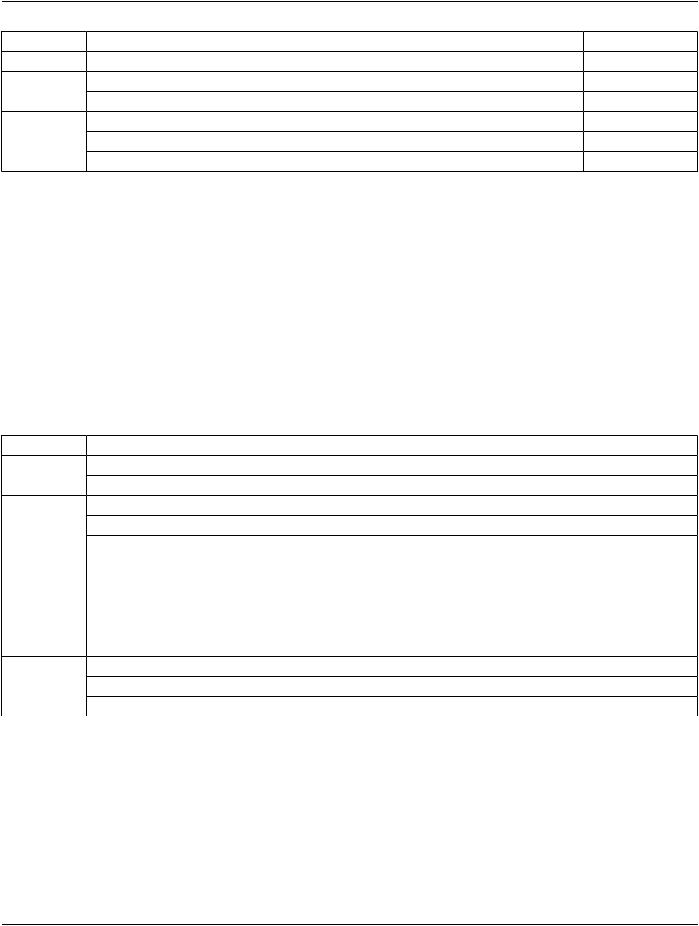
A.60.2.3 Autorefraction Measurements IOD Module Table​

Table A.60.2-1 specifies the Modules of the Autorefraction Measurements IOD.​

Table A.60.2-1. Autorefraction Measurements IOD Modules​

IE​

Module​

Reference​

Usage​

Patient​

Patient​

C.7.1.1​

M​


Clinical Trial Subject​

C.7.1.3​

U​

Study​

General Study​

C.7.2.1​

M​


Patient Study​

C.7.2.2​

U​


Clinical Trial Study​

C.7.2.3​

U​

Series​

General Series​

C.7.3.1​

M​


Autorefraction Measurements Series​

C.8.25.2​

M​


Clinical Trial Series​

C.7.3.2​

U​

Equipment​

General Equipment​

C.7.5.1​

M​


Enhanced General Equipment​

C.7.5.2​

M​

Measurements​General Ophthalmic Refractive Measurements​

C.8.25.7​

M​


Autorefraction Measurements​

C.8.25.9​

M​


SOP Common​

C.12.1​

M​

A.60.3 Keratometry Measurements IOD​

A.60.3.1 Keratometry Measurements IOD Description​

The Keratometry Measurements IOD is used to encode the measurements of a modality (keratometer) that measures the curvature,​ and thus the refractive power, of a Patient's cornea.​

- Standard -​

DICOM PS3.3 2020a - Information Object Definitions​

Page 383​

A.60.3.2 Keratometry Measurements IOD Entity-Relationship Model​

This IOD uses the E-R Model in Section A.1.2, with only the Measurements IE below the Series IE.​

A.60.3.3 Keratometry Measurements IOD Module Table​

Table A.60.3-1 specifies the Modules of the Keratometry Measurements IOD.​

Table A.60.3-1. Keratometry Measurements IOD Modules​

IE​

Module​

Reference​

Usage​

Patient​

Patient​

C.7.1.1​

M​


Clinical Trial Subject​

C.7.1.3​

U​

Study​

General Study​

C.7.2.1​

M​


Patient Study​

C.7.2.2​

U​


Clinical Trial Study​

C.7.2.3​

U​

Series​

General Series​

C.7.3.1​

M​


Keratometry Measurements Series​

C.8.25.3​

M​


Clinical Trial Series​

C.7.3.2​

U​

Equipment​

General Equipment​

C.7.5.1​

M​


Enhanced General Equipment​

C.7.5.2​

M​

Measurements​General Ophthalmic Refractive Measurements​

C.8.25.7​

M​


Keratometry Measurements​

C.8.25.10​

M​


SOP Common​

C.12.1​

M​

A.60.4 Subjective Refraction Measurements IOD​

A.60.4.1 Subjective Refraction Measurements IOD Description​

The Subjective Refraction Measurements IOD is used for encoding the measurements that subjectively determine the refractive cor-​ rection of the eye that results in best corrected visual acuity.​

A.60.4.2 Subjective Refraction Measurements IOD Entity-Relationship Model​

This IOD uses the E-R Model in Section A.1.2, with only the Measurements IE below the Series IE.​

A.60.4.3 Subjective Refraction Measurements IOD Module Table​

Table A.60.4-1 specifies the Modules of the Subjective Refraction Measurements IOD.​

Table A.60.4-1. Subjective Refraction Measurements IOD Modules​

IE​

Module​

Reference​

Usage​

Patient​

Patient​

C.7.1.1​

M​


Clinical Trial Subject​

C.7.1.3​

U​

Study​

General Study​

C.7.2.1​

M​


Patient Study​

C.7.2.2​

U​


Clinical Trial Study​

C.7.2.3​

U​

Series​

General Series​

C.7.3.1​

M​


Subjective Refraction Measurements Series​

C.8.25.4​

M​

- Standard -​

Page 384​

DICOM PS3.3 2020a - Information Object Definitions​


IE​

Module​

Reference​

Usage​


Clinical Trial Series​

C.7.3.2​

U​

Equipment​

General Equipment​

C.7.5.1​

M​


Enhanced General Equipment​

C.7.5.2​

M​

Measurements​General Ophthalmic Refractive Measurements​

C.8.25.7​

M​


Subjective Refraction Measurements​

C.8.25.11​

M​


SOP Common​

C.12.1​

M​

A.60.5 Visual Acuity Measurements IOD​

A.60.5.1 Visual Acuity Measurements IOD Description​

The Visual Acuity Measurements IOD is used to capture a Patient's visual acuity relative to that of a reference standard Patient under​ given viewing conditions (distance, lighting, etc.).​

A.60.5.2 Visual Acuity Measurements IOD Entity-Relationship Model​

This IOD uses the E-R Model in Section A.1.2, with only the Measurements IE below the Series IE.​

A.60.5.3 Visual Acuity Measurements IOD Module Table​

Table A.60.5-1 specifies the Modules of the Visual Acuity Measurements IOD.​

Table A.60.5-1. Visual Acuity Measurements IOD Modules​

IE​

Module​

Reference​

Usage​

Patient​

Patient​

C.7.1.1​

M​


Clinical Trial Subject​

C.7.1.3​

U​

Study​

General Study​

C.7.2.1​

M​


Patient Study​

C.7.2.2​

U​


Clinical Trial Study​

C.7.2.3​

U​

Series​

General Series​

C.7.3.1​

M​


Visual Acuity Measurements Series​

C.8.25.5​

M​


Clinical Trial Series​

C.7.3.2​

U​

Equipment​

General Equipment​

C.7.5.1​

M​


Enhanced General Equipment​

C.7.5.2​

M​

Measurements​General Ophthalmic Refractive Measurements​

C.8.25.7​

M​


Visual Acuity Measurements​

C.8.25.12​

M​


SOP Common​

C.12.1​

M​

A.60.6 Ophthalmic Axial Measurements IOD​

A.60.6.1 Ophthalmic Axial Measurements IOD Description​

The Ophthalmic Axial Measurements IOD is used to encode axial measurements of the eye made by an axial measurements device.​

A.60.6.2 Ophthalmic Axial Measurements IOD Entity-Relationship Model​

This IOD uses the E-R Model in Section A.1.2, with only the Measurements IE below the Series IE.​

- Standard -​

DICOM PS3.3 2020a - Information Object Definitions​

Page 385​

A.60.6.3 Ophthalmic Axial Measurements IOD Module Table​

Table A.60.6-1 specifies the Modules of the Ophthalmic Axial Measurements IOD.​

Table A.60.6-1. Ophthalmic Axial Measurements IOD Modules​

IE​

Module​

Reference​

Usage​

Patient​

Patient​

C.7.1.1​

M​


Clinical Trial Subject​

C.7.1.3​

U​

Study​

General Study​

C.7.2.1​

M​


Patient Study​

C.7.2.2​

U​


Clinical Trial Study​

C.7.2.3​

U​

Series​

General Series​

C.7.3.1​

M​


Ophthalmic Axial Measurements Series​

C.8.25.13​

M​


Clinical Trial Series​

C.7.3.2​

U​

Equipment​

General Equipment​

C.7.5.1​

M​


Enhanced General Equipment​

C.7.5.2​

M​

Measurements​Ophthalmic Axial Measurements​

C.8.25.14​

M​


General Ophthalmic Refractive Measurements​

C.8.25.7​

M​


SOP Common​

C.12.1​

M​

A.60.7 Intraocular Lens Calculations IOD​

A.60.7.1 Intraocular Lens Calculations IOD Description​

The Intraocular Lens Calculations IOD is used to encode calculations performed by ophthalmic axial measurements devices or by​ standalone software. Data input to these calculations comes both from the devices and from other sources.​

A.60.7.2 Intraocular Lens Calculations IOD Entity-Relationship Model​

This IOD uses the E-R Model in Section A.1.2, with only the Measurements IE below the Series IE.​

A.60.7.3 Intraocular Lens Calculations IOD Module Table​

Table A.60.7-1 specifies the Modules of the Intraocular Lens Calculations IOD.​

Table A.60.7-1. Intraocular Lens Calculations IOD Modules​

IE​

Module​

Reference​

Usage​

Patient​

Patient​

C.7.1.1​

M​


Clinical Trial Subject​

C.7.1.3​

U​

Study​

General Study​

C.7.2.1​

M​


Patient Study​

C.7.2.2​

U​


Clinical Trial Study​

C.7.2.3​

U​

Series​

General Series​

C.7.3.1​

M​


Intraocular Lens Calculations Series​

C.8.25.15​

M​


Clinical Trial Series​

C.7.3.2​

U​

Equipment​

General Equipment​

C.7.5.1​

M​


Enhanced General Equipment​

C.7.5.2​

M​

- Standard -​