Page 1668 |
DICOM PS3.3 2020a - Information Object Definitions |
This Basic Directory Information Object:
a.is based on a structure of basic medical information. It is not a file system directory such as the one that may be used by the Media Format Layer;
b.is simple enough to meet the requirements of elementary Media Interchange applications;
c.is efficient in supporting update to the directory on rewritable media without a complete rewrite of the entire DICOMDIR File;
d.is extendible for specific applications with specialized selection keys in addition to the standard keys;
e.does not mandate any relationship between the hierarchy of the medical information in the DICOM Directory and the hierarchy of the File ID Components;
Note
Such an independence between the structure of the file identifiers, from which no semantic information shall be inferred, and the DICOM Directory that conveys medical imaging information, ensures that the broadest interoperability is possible between conforming DICOM media storage implementations.
F.2 Basic Directory IOD Overview
The general organization of the Basic Directory IOD is introduced in this Section. A simple example is also provided to illustrate the application of this organization.
F.2.1 Basic Directory IOD Organization
The Basic Directory IOD organization is based on a hierarchy of Directory Entities. At the origin of this inverted tree is a root Directory
Entity. Each Directory Entity includes one or more Directory Records, which in turn may each reference a lower level Directory Entity.
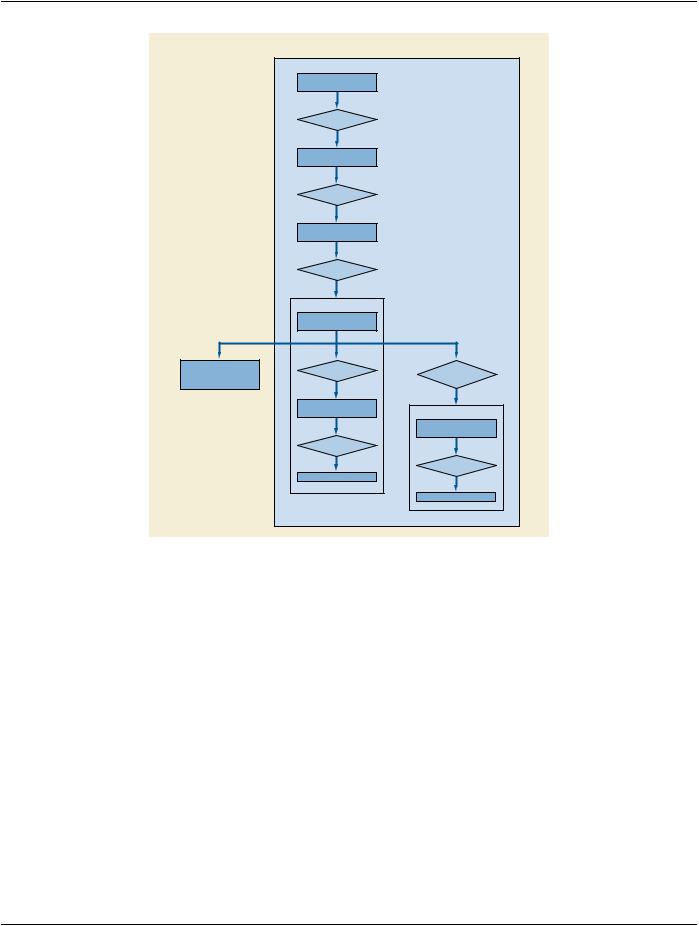
Directory Records serve to reference objects stored in the Files of the File-set. The organization of the Directory is depicted by the Basic Directory IOD entity/relationship model presented in Figure F.2-1.
Each Directory Record, irrespective of the Directory Entity it is included in, contains four types of information:
a.A reference to a lower level Directory Entity or Referenced Directory Entity. This reference may be absent if such a lower level Directory Entity does not exist for an instance of a directory record;
b.AreferencetoaFileoftheFile-setinwhichisstoreda"ReferencedObject"(formallycalledinDICOMaReferencedSOPInstance). This reference may be absent if no File is referenced. Files may be referenced directly by their File ID;
c.A set of "selection keys", specific to a Referenced Object, which will allow its selection among all the records included in a given Directory Entity;
d.A mechanism to chain the various Directory Records that belong to the same Directory Entity.
This generic content of a Directory Record is further specialized based on its specific type in the context the Basic Directory IOD In- formationModelspecifiedinSectionF.4(e.g.,aStudyRecord,aSeriesRecord,etc.).ADirectoryEntitymayincludeDirectoryRecords of different Types. By standardizing a number of specific Directory Records (see Section F.5) in the context of the Basic Directory IOD Information Model, one allows the definition of a variety of directory contents while maintaining a framework for interoperability.