Материал: Дерматовенерология (2015)
|
|
Алгоритмы терапии |
|
||
|
|
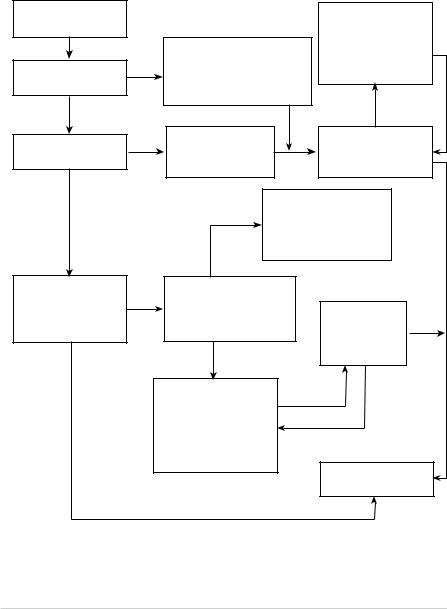
Гипертрофические рубцы |
|
|
|
Гипертрофический |
|
|
|
Многокомпонент |
|
рубец |
|
|
|
ная терапия/ |
|
|
|
Хирургическая |
повторная |
|
|
|
|
хирургическая |
|
||
Натяжение или |
ДА |
коррекция/ |
|
|
|
|
коррекция |
|
|||
СО2-лазерная |
|
||||
контрактура |
|
|
|
||
|
|
деструкция*** |
НЕТ |
|
|
НЕТ |
|
|
|
|
|
Эстетически |
ДА |
Иссечение/СО2- |
|
Достижение необ- |
|
|
лазерная |
|
ходимого результата |
||
неприемлемый |
|
|
|||
|
деструкция*** |
|
лечения |
|
|
|
|
|
|
||
|
|
ДА** |
Профилактическая |
|
|
НЕТ |
|
|
терапия/ |
|
|
|
|
|
|
||
|
|
|
многокомпонентная |
|
|
|
|
|
|
терапия |
|
Незрелый, |
ДА |
Широко |
|
|
|
активный рубец/ |
распространяющийся/ |
Достижение |
|
||
|
|
||||
стремление |
|
диссеминированный |
ДА |
||
|
необходимого |
||||
к терапии |
|
процесс |
|
|
|
|
|
результата |
|
||
|
|
|
|
|
|
|
|
НЕТ |
|
лечения |
|
|
|
Инъекция ТАС/ |
|
|
|
|
|
криотерапия/ |
|
НЕТ* |
|
|
|
лазер на красителях |
|
|
|
|
|
с последующими |
|
|
|
НЕТ |
|
профилактическими |
|
|
|
|
мероприятиями |
|
|
|
|
|
|
|
ОКОНЧАНИЕ |
|
|
|
|
|
|
|
|
|
|
|
|
ТЕРАПИИ |
|
Болезни кожи |
|
|
|
|
|
166 |
|
|
|
|
|
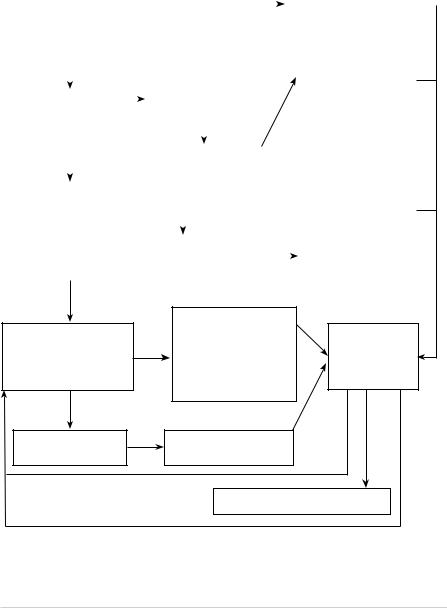
Келоидные рубцы
|
|
|
|
|
|
|
|
|
|
|
|
|
|
|
|
|
|
Хирургическое |
|
|
|
|
|
|
|
|
|
|
|
|
|
|
|
|
|
|
|
лечение/СО2- |
|
|
|
|
|
|
|
|
|
|
|
|
|
|
|
|
|
|
|
|
|
|
|
|
|
|
|
|
|
|
|
|
|
|
|
|
|
лазерная абляция*** |
|
||
|
Келоидный рубец |
|
|
|
|
|
ДА |
|
|
|
|
|
|
|
|
||||
|
|
|
|
|
|
|
|
|
|
|
|
|
|
|
Индивидуальное |
|
|||
|
|
|
|
|
|
|
|
|
|
|
|
|
|
|
|
|
|
|
|
|
|
|
ДА |
|
|
|
|
|
|
|
|
|
|
|
|
лечение каждого |
|
||
|
|
|
|
|
|
|
|
|
|
|
|
|
|
|
|
||||
|
|
|
|
Узкое основание |
|
ДА |
|
|
|
очага по схеме |
|
||||||||
|
|
|
|
|
|
|
|
|
|
|
|
||||||||
|
Крупный |
|
|
|
|
|
|
|
|
|
|
|
|
|
малого келоида |
|
|||
|
|
|
|
|
|
|
|
|
|
|
|
|
|
|
|
|
|||
|
(более 5 см2) |
|
|
|
|
|
|
|
НЕТ |
|
|
|
|
|
|
|
|||
|
|
|
|
|
|
|
|
|
|
|
|
|
|
|
|||||
|
|
|
|
|
|
|
|
|
|
|
|
|
|
|
|
|
|||
|
|
|
|
|
|
|
|
|
|
|
|
|
|
|
|
|
|
|
|
|
|
НЕТ |
|
Диссеминированные |
|
|
|
Частичное лечение |
|
||||||||||
|
|
|
|
мелкие |
|
|
|
|
|
зон с повышенной |
|
||||||||
|
|
|
|
|
|
|
|
|
|
|
|
|
|
|
|||||
|
Бетаметазона |
|
|
|
|
|
|
|
|
|
|
|
активностью |
|
|||||
|
|
|
НЕТ |
|
|
|
|
|
по аналогии |
|
|||||||||
|
дипропионат (2 мг) + |
|
|
|
|
|
|
|
с малыми |
|
|||||||||
|
|
|
|
|
|
|
|
|
|
|
|
|
|||||||
|
бетаметазона |
|
|
|
|
|
|
ДА |
|
|
|
келоидами/отказ |
|
||||||
|
|
|
|
|
|
|
|
|
|
|
|||||||||
динатрия фосфат (5 мг)/ |
|
Обширные |
|
|
|
от лечения, |
|
||||||||||||
|
ТАА или криотерапия |
|
сливающиеся |
|
|
|
|
|
|
если это приемлемо |
|
||||||||
|
|
|
|
|
|
|
|
|
|
|
|
|
|
|
|
|
|
для пациента |
|
|
|
|
|
|
|
|
|
|
|
|
|
|
|
|
|
||||
|
|
|
|
|
|
|
|
|
|
|
|
|
|
|
|
||||
|
|
|
|
|
|
|
|
|
|
|
|
|
|
|
|
|
|
|
|
НЕТ |
|
Комбинация |
|
|
|
|
|
|
|
|
|
|
|
||
Полная |
ДА |
кортикостероидов |
|
|
|
|
|
с криотерапией/ |
Клинический |
|
|||||
устойчивость |
|
|
|||||
|
хирургическое |
|
эффект |
|
|
||
к терапии |
|
|
|
|
|||
|
лечение/ |
|
|
|
|
||
|
|
|
|
|
|
||
|
|
лучевая терапия |
|
|
|
|
|
НЕТ |
|
|
|
|
|
рубцы |
|
Сохраняющаяся |
ДА |
Пульсирующий лазер |
НЕТ |
ДА |
НЕТ |
||
гипертрофическиеи |
|||||||
|
|
||||||
эритема |
|
на красителях |
|
|
|
||
|
|
|
|
|
|||
|
|
ОКОНЧАНИЕ ТЕРАПИИ |
|
|
|||
* Коррекция терапии. |
|
|
|
|
|
Келоидные |
|
** Часто сочетанное поражение (келоидные и гипертрофические рубцы). |
|||||||
*** Необходима последующая профилактическая терапия. |
|
|
|||||
167

|
|
ЛИТЕРАТУРА |
|
|
1. |
Gauglitz G. G., Korting H. C., Pavicic T., Rucicka T., Jeschke M. G. Hyper- |
|
|
|
trophic scarring and keloids: pathomechanisms and current and emerging |
|
|
|
treatment strategies. Mol Med 2011; 17 (1—2): 113—25. |
|
|
2. |
Love P. B., Kundu R. V. Keloids: an update on medical and surgical treat- |
|
|
|
ments. J Drugs Dermatol 2013; 12 (4): 403—9. |
|
|
3. |
Marneros A. G., Krieg T. Keloids: clinical diagnosis, pathogenesis and treat- |
|
|
|
ment options. J Detsch Dermatol Ges 2004; 2 (11): 905—13. |
|
|
4. |
Hahn J. M., Glaser K., McFraland K. L., Aronow B. J., Boyce S. T., |
|
|
|
Supp D. M. Keloid-derived keratinocytes exhibit an abnormal gene expression |
|
|
|
profile consistent with a distinct causal role in keloid pathology. Wound Repair |
|
|
|
Regen 2013; 21 (4): 530—44. |
|
|
5. |
Faler B. J., Macsata R. A., Plummer D., Mishra L., Sidawy A. N. Transfor |
|
|
|
ming growth factor-beta and wound healing. Perspect Vasc Surg Endovasc |
|
|
|
Ther 2006; 18: 55—62. |
|
|
6. |
Bettinger D. A., Yager D. R., Diegelmann R. F., Cohen I. K. The effect of |
|
|
|
TGF-beta on keloid fibroblast proliferation and collagen synthesis. Plast Re- |
|
|
|
constr Surg 1996; 98: 827—33. |
|
|
7. |
Fujiwara M., Muragaki Y., Ooshima A. Upregulation of transforming growth |
|
|
|
factor-beta 1 and vascular endothelial growth factor in cultured keloid fibro- |
|
|
|
blasts: relevance to angiogenic activity. Arch Dermatol Res 2005; 297: 161—9. |
|
|
8. |
Desmouliere A., Geinoz A., Gabbiani F., Gabbiani G. Transforming growth |
|
|
|
factor-beta 1 induces alpha-smooth muscle actin expression in granulation tis- |
|
|
|
sue myofibroblasts and in quiescent and growing cultured fibroblasts. J Cell |
|
|
|
Biol 1993; 122: 103—11. |
|
|
9. |
van der Veen W. M., Bloemen M. C., Ulrich M. M., Molema G., van Zuij |
|
|
|
len P. P., Middelkoop E. et al. Potential cellular and molecular causes of hy- |
|
|
|
pertrophic scar formation. Burns 2009; 35 (1): 15—29. |
|
|
10. |
Armour A., Scott P. G., Tredget E. E. Cellular and molecular pathology of |
|
|
|
HTS: basis for treatment. Wound Repair Regen 2007; 15 (Suppl. 1): S6—17. |
|
|
11. |
Mustoe T. A., Cooter R. D., Gold M. H., Hobbs F. D. et al. International clin- |
|
|
|
ical recommendations on scar management. Plast Reconstr Surg 2002; 110: |
|
|
|
560—71. |
|
|
12. |
Fearmonti R., Bond J., Erdmann D., Levinson H. A review of scar scales and |
|
кожи |
|
scar measuring devices. Eplasty 2010; 10: e43. |
|
13. |
Perry D. M., McGrouther D.A., Bayat A. Current tools for noninvasive objec- |
||
|
tive assessment of skin scars. Plast Reconstr Surg 2010; 126: 912—23. |
||
Болезни |
|
||
14. |
Sebastian G., Hackert I., Stein A., Aschoff R. Möglichkeiten zur Objekti |
||
|
vierung der Effizienz der Kryotherapie bei Keloiden. In: Koller J., Hutner H.
168

|
Fortschritte der operativen und onkologischen Dermatologie. Berlin, Wien: |
|
|
Blackwell, 2000: 192—7. |
|
15. |
Arno A. I. et al. Up-to-date approach to manage keloids and hypertrophic |
|
|
scars: A useful guide. Burns, 2014. |
|
16. |
Gauglitz G. G. Management of keloids and hypertrophic scars: current and |
|
|
emerging options. Clin Cosmet Investig Dermatol 2013; 6: 103—14. |
|
17. |
Balci D. D., Inandi T., Dogramaci C .A., Celik E. DLQI scores in patients |
|
|
with keloids and hypertrophic scars: a prospective case control study. J Dtsch |
|
|
Dermatol Ges 2009; 7: 688—92. |
|
18. |
Bock O., Schmid-Ott G., Malewski P., Mrowietz U. Quality of life of patients |
|
|
with keloid and hypertrophic scarring. Arch Dermatol Res 2006; 297: 433—8. |
|
19. |
Published by. In: Middelkoop E., Monstrey S., Teot L., Vranckx J. J., editors. |
|
|
Scar Management Practical Guidelines. Maca-Cloetens; 2011. p. 1—109. |
|
20. |
Haedersdal M., Bech-Thomsen N., Poulsen T., Wulf H. C. Ultraviolet expo- |
|
|
sure influences laser-induced wounds, scars, and hyperpigmentation: a mu- |
|
|
rine study. Plast Reconstr Surg 1998; 101: 1315—22. |
|
21. |
Due E., Rossen K., Sorensen L. T., Kliem A., Karlsmark T., Haedersdal M. |
|
|
Effect of UV irradiation on cutaneous cicatrices: a randomized, controlled |
|
|
trial with clinical, skin reflectance, histological, immunohistochemical and |
|
|
biochemical evaluations. Acta Derm Venereol 2007; 87: 27—32. |
|
22. |
Muneuchi G., Suzuki S., Onodera M., Ito O., Hata Y., Igawa H. H. Long- |
|
|
term outcome of intralesional injection of triamcinolone acetonide for the |
|
|
treatment of keloid scars in Asian patients. Scand J. Plast Reconstr Surg Hand |
|
|
Surg 2006; 40: 111—6 (LEVEL B). |
|
23. |
Ardehali B., Nouraei S. A., van Dam H., Dex E., Wood S., Nduka C. Ob- |
|
|
jective assessment of keloid scars with three-dimensional imaging: Quantify- |
|
|
ing response to intralesional steroid therapy. Plast Reconstr Surg 2007; 119: |
|
|
556—61 (LEVEL A). |
|
24. |
Chowdri N. A., Masarat M., Mattoo A., Darzi M. A. Keloids and hypertro- |
рубцы |
|
phic scars: Results with intraoperative and serial postoperative сorticosteroid |
|
|
|
|
|
injection therapy. Aust N. Z. J. Surg 1999; 69: 655—9 (LEVEL B). |
гипертрофические |
25. |
phic scars and keloids. Hautarzt 1995; 46: 462—6 (LEVEL B). |
|
Zouboulis C. C., Blume U., Büttner P., Orfanos C. E. Outcomes of cryosur- |
|
|
|
gery in keloids and hypertrophic scars. A prospective consecutive trial of case |
|
|
series. Arch Dermatol 1993; 129: 1146—51 (LEVEL B). |
|
26. |
Ernst K., Hundeiker M. Results of cryosurgery in 394 patients with hypertro- |
|
27. |
Rusciani L., Rossi G., Bono R. Use of cryotherapy in the treatment of keloids. |
и |
|
and keloids. Hautarzt 1990; 41: 683—8 (LEVEL B). |
Келоидные |
|
J Dermatol Surg Oncol 1993; 19: 529—34 (LEVEL B). |
|
28. |
Zouboulis C. C., Orfanos C. E. Cryosurgical treatment of hypertrophic scars |
|
169

|
29. |
Sharma S., Bhanot A., Kaur A., Dewan S. P. Role of liquid nitrogen alone |
|
|
|
compared with combination of liquid nitrogen and intralesional triamcinolone |
|
|
|
acetonide in treatment of small keloids. J Cosmet Dermatol 2007; 6: 258—61 |
|
|
|
(LEVEL B). |
|
|
30. |
Har-Shai Y., Dujovny E., Rohde E., Zouboulis C. C. Effect of skin surface |
|
|
|
temperature on skin pigmentation during contact and intralesional cryosur- |
|
|
|
gery of keloids. J Eur Acad Dermatol Venereol 2007; 21: 191—8 (LEVEL B). |
|
|
31. |
Norris J. E. The effect of carbon dioxide laser surgery on the recurrence of |
|
|
|
keloids. Plast Reconstr Surg 1991; 87: 44—9 (LEVEL B). |
|
|
32. |
Apfelberg D. B., Maser M. R., White D. N., Lash H. Failure of carbon dioxide |
|
|
|
laser excision of keloids. Lasers Surg Med 1989; 9: 382—8 (LEVEL B). |
|
|
33. |
Kuo Y. R., Wu W. S., Jeng S. F., Wang F. S., Huang H. C., Lin C. Z. et al. Sup- |
|
|
|
pressed TGF-beta1 expression is correlated with upregulation of matrix me- |
|
|
|
talloproteinase-13 in keloid regression after flashlamp pulsed-dye laser treat- |
|
|
|
ment. Lasers Surg Med 2005; 36: 38—42 (LEVEL C). |
|
|
34. |
Kuo Y. R., Wu W. S., Jeng S. F., Nicolini J., Zubillaga M. Activation of ERK |
|
|
|
and p38 kinase mediated keloid fibroblast apoptosis after flashlamp pulsed-dye |
|
|
|
laser treatment. Lasers Surg Med 2005; 36: 31—7 (LEVEL C). |
|
|
35. |
Kuo Y. R., Jeng S. F., Wang F. S., Chen T. H., Huang H. C., Chang P. R. et al. |
|
|
|
Flashlamp pulsed dye laser (PDL) suppression of keloid proliferation through |
|
|
|
down-regulation of TGF-beta1 expression and extracellular matrix expres- |
|
|
|
sion. Lasers Surg Med 2004; 34: 104—8 (LEVEL C). |
|
|
36. |
Gold, Michael H. et al. Updated international clinical recommendations on |
|
|
|
scar management: part 2—algorithms for scar prevention and treatment. Der- |
|
|
|
matologic Surgery 40.8 2014: 825—831. |
|
|
37. |
Kim D. Y., Kim E. S., Eo S. R., Kim K. S., Lee S. Y., Cho B. H. A surgical |
|
|
|
approach for earlobe keloid: Keloid fillet flap. Arch Facial Plast Surg 2005; |
|
|
|
7: 172—5 (LEVEL B). |
|
|
38. |
Lee Y., Minn K. W., Baek R. M., Hong J. J. A new surgical treatment of keloid: |
|
|
|
Keloid core excision. Ann Plast Surg 2001; 46: 135—40 (LEVEL C). |
|
|
39. |
Field L. M. Subtotal keloid excision—a preferable preventative regarding re- |
|
|
|
currence. Dermatol Surg 2001; 27: 323—4 (LEVEL C). |
|
|
40. |
Ragoowansi R., Cornes P. G., Moss A. L., Glees J. P. Treatment of keloids by |
|
|
|
surgical excision and immediate postoperative single-fraction radiotherapy. |
|
|
|
Plast Reconstr Surg 2003; 111: 1853—9 (LEVEL B). |
|
кожи |
41. |
Subedi N., Roberts F. Radiotherapy treatment of keloid scars and other benign |
|
|
conditions: Is there a need for a database of patients treated? Br J Dermatol |
||
|
2009; 161: 194—5 (LEVEL B). |
||
Болезни |
|
||
42. |
Ogawa R., Miyashita T., Hyakusoku H., Akaishi S., Kuribayashi S., Tateno A. |
||
|
Postoperative radiation protocol for keloids and hypertrophic scars: Statisti-
170