Материал: англ универ новая книга
Steady!
Steady so!
Keep her steady!
Steady as she goes! Straight so!
Right so!
Port easy!
Easy to port! Port a bit!
Steer the course! Nothing to starboard! Nothing to port! Starboard on course 30°! Port on course 30°! Mind the helm!
Watch your steering! Follow the tug! Follow the launch! Follow the icebreaker!
Так держать!
Помалу лево!
На курс!
Право не ходить! Лево не ходить! Право руль на курс 30°! Лево руль на курс 30°! На руле не зевать!
Следовать в кильватер за буксиром (катером, ледоколом)!
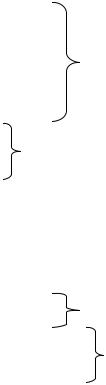
COMMANDS TO THE ENGINE ROOM
Try the engine! |
Приготовиться в машинном |
Slow ahead! |
отделении! |
Опробовать машину! |
|
Full speed ahead! |
Самый малый вперед! |
Dead slow astern! |
Малый вперед! |
Half astern! |
Средний вперед! |
Faster! |
Полный вперед! |
Go astern! |
Стоп! |
Finished with the engine! |
Самый малый назад! |
Stand by the engine! |
Малый назад! |
Dead slow ahead! |
Средний назад! |
Half ahead! |
Полный назад! |
Stop her! |
Больше ход! |
Slow astern! |
Меньше ход! |
Full speed astern! |
Задний ход! |
Slower! |
Задний ход! |
Back her! |
Машина больше не нужна! |
LABORATORY EXERCISES
I. Listen to the text of the lesson again and answer the following questions:
1. What should a ship do to call for a pilot? 2. What signal flag does a ship hoist to call for a pilot? 3. Where may a pilot board the ship? 4. Which side does the pilot launch usually come along in fair weather? 5. From which side is the pilot usually taken aboard in bad weather? 6. On which side is the pilot boat sheltered from the wind, on the lee side or on
11
the weather side? 7. What rope does the pilot launch use to make fast to the ship? 8. What kind of ladder does the pilot use to board the ship? 9. Who usually meets the pilot aboard a ship? 10. Who cons the ship with the pilot aboard? 11. Who is responsible for the ship's safety in this case?
II. Ask your partner questions and make him give brief answers using the model.
Model: You will steer this course until you are past that point. How long shall we steer this course?
Until we are past that point.
1. They will keep these two beacons in line until they cross the other leading line. 2. You will proceed through this channel until you see the entrance buoys. 3. We shall proceed on that course until we reach the entrance. 4. I shall pilot your ship till we are well in the port entrance. 5. We shall be manoeuvring in this way until we are out of the channel.
III. Listen to the short dialogues, repeat each sentence during the pause and
learn the dialogues by heart:
"Will you be kind enough to get the chart ready?" "I've already done that. Look at it. Will it do?" "No, it won't. I want one of a larger scale." "Then, maybe this one will suit you better?" "Oh, yes. That's just what I needed. Thank you."
* * *
"Switch on the radar, please."
"It has been switched on some time."
"Oh, that's good. Keep it working till we pass the entrance point."
IV. Listen to each of the long dialogues again and retell briefly their contents from the point of view of: (a) one speaker, (b) the other speaker, (c) an onlooker.
Make your partner ask you about some details which you missed.
V. Write the dictation;
In some ports, ships must take pilots. They must take pilots to manoeuvre the ship into or out of the port. Ships may call for a pilot by radio or by hoisting the signal. They may also call a pilot by radiotelephone. Ships usually hoist the International Code Flag "G". This flag means: "I require a pilot". Soon the pilot launch comes alongside the ship and the pilot boards her. the watch officer meets the pilot at the ladder. Then he shows him to the bridge.
VI. Practise in pairs enacting the following situations. You act as the captain, your partner — as the operator in (a), you — as the pilot, your partner — as the watch officer in (b). Then you change your parts:
12
(a)The captain calls for a pilot by radiotelephone. He informs the Pilot Station operator about his ship's position and arranges with him the time when the pilot boat will reach his ship. The ship is at anchor and is waiting for a pilot. Because of the wind the captain will take a pilot from the lee side. The operator asks the captain if the ship is fitted with the Standard Pilot Ladder and recommends him to post two sailors to help the pilot to get aboard.
(b)The pilot came on the bridge. He asks the Watch Officer some details about the ship (her draft, length, breadth, speed, machinery, the course she is steering, etc.). The Watch Officer answers all his questions
and asks him how far he will pilot the ship and if another pilot will relieve him.
VII. Translate into English:
Чтобы вызвать лоцмана, судно должно поднять сигнал. Обычно судно поднимает флаг «Г» Международного свода сигналов. Этот сигнал означает: «Мне требуется лоцман». Лоцмана можно также вызвать по радиотелефону. В хорошую погоду лоцманский катер может подойти с любого борта судна. Чтобы подняться на судно, лоцман пользуется лоцманским трапом. У трапа лоцмана обычно встречает вахтенный помощник. Он проводит его на мостик. Лоцман не отвечает за безопасность судна. Ответственность за это несет капитан. Лоцман должен сообщить капитану обо всех местных условиях плавания.
LESSON 2
PASSING THROUGH NARROW CHANNELS AND CANALS
Words and Word Combinations
narrow channel - узкий проход (узкость) canal - канал (искусственный)
to proceed - следовать, идти
care - осторожность, внимательность traffic - движение, перевозки separation - разделение, сепарация area - площадь, район
separate - отдельный
lane - узкий проход, узкая полоса fairway - фарватер; судоходный канал outer - внешний, наружный
limit - предел, граница
practicable - осуществимый, реальный sailing vessel - парусное судно
to impede - препятствовать, мешать
to engage - заниматься, быть занятым (обыкн. pass.) fishing - рыбная ловля
13
within - внутри, в пределах
to cross - пересекать, переходить sound signal - звуковой сигнал to prescribe - предписывать rapid - быстрый, скорый
blast - свисток, гудок
whistle - свисток, гудок, сирена light signals - световые сигналы flash - вспышка, проблеск
to intend - намереваться, собираться intention - намерение
doubt - сомнение
prolonged - продолжительный to overtake - обгонять
to permit - позволять, разрешать to indicate - указывать
appropriate - соответствующий, подходящий to relieve - зд. освобождать
to near - приближаться
a bend - изгиб, поворот, излучина
to be obscured - делать неясным, затемнять, затенять, мешать to intervene - вмешиваться
obstruction - препятствие, помеха caution - осторожность, осмотрительность circumstance - обстоятельство
to admit - допускать to avoid - избегать
aground - на мели, на грунте visible - видимый
foremast stay - штаг фок мачты, оттяжка to dispose - располагать, размещать
to anchor - становиться на якорь bow - нос, носовая часть (судна) look-out - - вперёдсмотрящий ahead - впереди, вперед, по носу dead ahead - прямо по носу
to slow down - убавить скорость searchlight - прожектор navigational lights - ходовые огни hawser - трос, швартов
to swing in - поднимать на борт (шлюпку, выстрел)
to swing out - вываливать за борт (шлюпку, выстрел и т. п,) to lower - спустить (трап, шлюпку)
pendant, pennant - вымпел to warn - предупреждать
prohibition - запрет, запрещение
garbage - мусор, отбросы (особенно пищевые) ashes - зола
refuse - отходы, отбросы
to empty - опорожнять, выкачивать, выливать
14
Expressions
as far as practicable - насколько это практически возможно to reduce speed - уменьшить скорость
to take soundings - делать промеры глубин
congested waters – воды с оживленным движением судовshore based - расположенный на берегу, береговой
International Regulations for Preventing Collisions at Sea - Международные правила по предупреждению столкновений судов в море (МППСС)
to take actions - принимать меры
to take place - иметь место, случаться
to sound a signal - подавать звуковой, сигнал to take steps - принимать меры
to keep clear of - держаться в стороне, проходить не задев to be under way - находиться на ходу
to make fast - крепиться, пришвартовываться in dependence of - в зависимости (от чего-л.) to carry lights - нести огни
all round the horizon - по всему горизонту
TEXT
When sailing through narrow channels (narrows) or canals a vessel should proceed with great care and reduce her speed. Sometimes it is
necessary to take soundings to avoid running aground.
In some channels or canals with intensive traffic special traffic separation schemes have been recently introduced. It means that in these congested waters all the area is divided into two or three separate lanes along which ships may proceed only in one direction. Shore based radar stations usually help the vessels there to navigate safely in these lanes.
While proceeding through narrow channels vessels shall adhere to Rule No. 9 of the International Regulations for Preventing Collisions at Sea. This Rule contains the following recommendations:
(a)A vessel proceeding along the course of a narrow channel or fairway shall keep as near to the outer limit of the channel or fairway which lies on her starboard side as is safe and practicable.
(b)A vessel less than 20 metres in length or a sailing vessel shall not impede the passage of a vessel which can safely navigate only within a narrow channel or fairway.
(c)A vessel engaged in fishing shall not impede the passage of any other vessel navigating within a narrow channel or fairway.
(d)A vessel shall not cross a narrow channel or fairway if such crossing impedes the passage of a vessel which can safely navigate only within such channel or fairway. The latter vessel may use the sound signal prescribed in Rule 34 (d) — (i. e. at least five short and rapid blasts
15