Материал: part02
DICOM PS3.2 2020a - Conformance Page 71
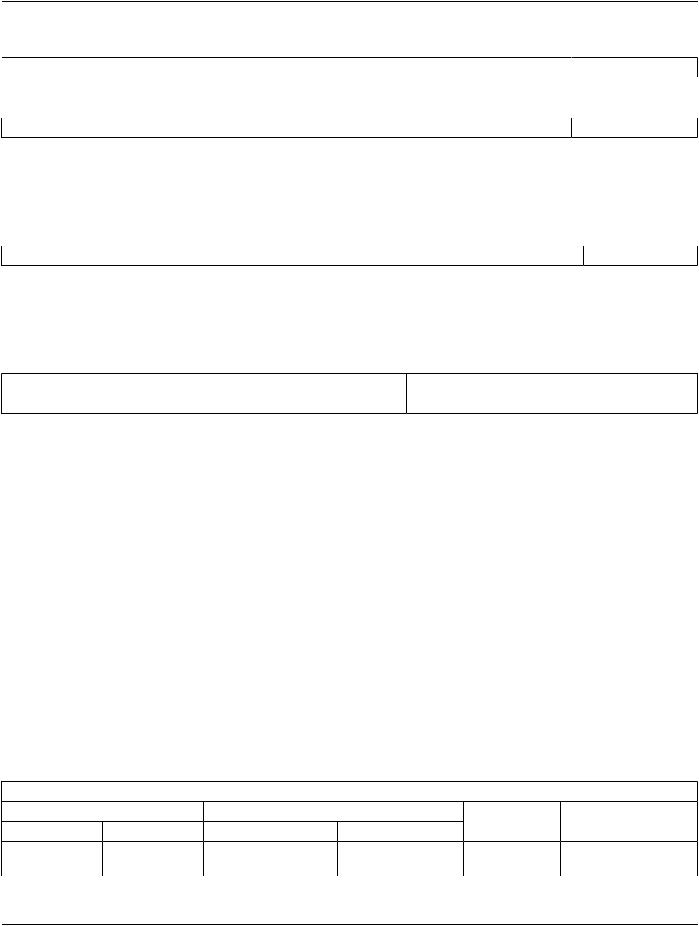
Table A.4.2-3. Number of Associations as an Association Initiator for "Application Entity <1>"
 Maximum number of simultaneous associations
  x
x
Table A.4.2-4. Number of Associations as an Association Acceptor for "Application Entity <1>"
Maximum number of simultaneous associations |
x |
A.4.2.1.2.3 Asynchronous Nature |
|
If the implementation supports negotiation of multiple outstanding transactions, this shall be stated here, along with the maximum number of outstanding transactions supported.
Table A.4.2-5. Asynchronous Nature as an Association Initiator for "Application Entity <1>"
Maximum number of outstanding asynchronous transactions |
x |
A.4.2.1.2.4 Implementation Identifying Information |
|
ThevaluesuppliedforImplementationClassUIDshallbedocumentedhere.Ifaversionnameissupplied,thisfactshallbedocumented here. Policies defining the values supplied for version name may be stated here.
Table A.4.2-6. DICOM Implementation Class and Version for "Application Entity <1>"
Implementation Class UID |
a.b.c.xxxxxxx.yyy.zz |
Implementation Version Name |
XYZxyz |
A.4.2.1.3 Association Initiation Policy
This describes the conditions under which the AE will initiate an association.
A.4.2.1.3.1 "Activity <1>"
A.4.2.1.3.1.1 Description and Sequencing of Activities
If applicable, this section shall contain a description of sequencing of the events for "Activity <1>" (substitute actual activity name), including any applicable user interactions, which this specific AE performs. A UML sequence diagram, which depicts the Application EntityandReal-WorldActivitiesasverticalbarsandshowstheeventsexchangedbetweenthemasarrows,isstronglyrecommended.
Note
An example of a situation in which such a description is required is an AE, which supports both the Storage Service Class and the Modality Performed Procedure SOP Class. Some implementations might store the images before sending the final MPPSN-SETmessagewhileotherimplementationsmightsendthefinalMPPSN-SETmessagebeforesendingtheimages.
A.4.2.1.3.1.2 Proposed Presentation Contexts
Eachtimeanassociationisinitiated,theAssociationInitiatorproposesanumberofPresentationContextstobeusedonthatassociation. In this subsection, the Presentation Contexts proposed by "Application Entity <1>" for "Activity <1>" shall be defined in a table with the following format:
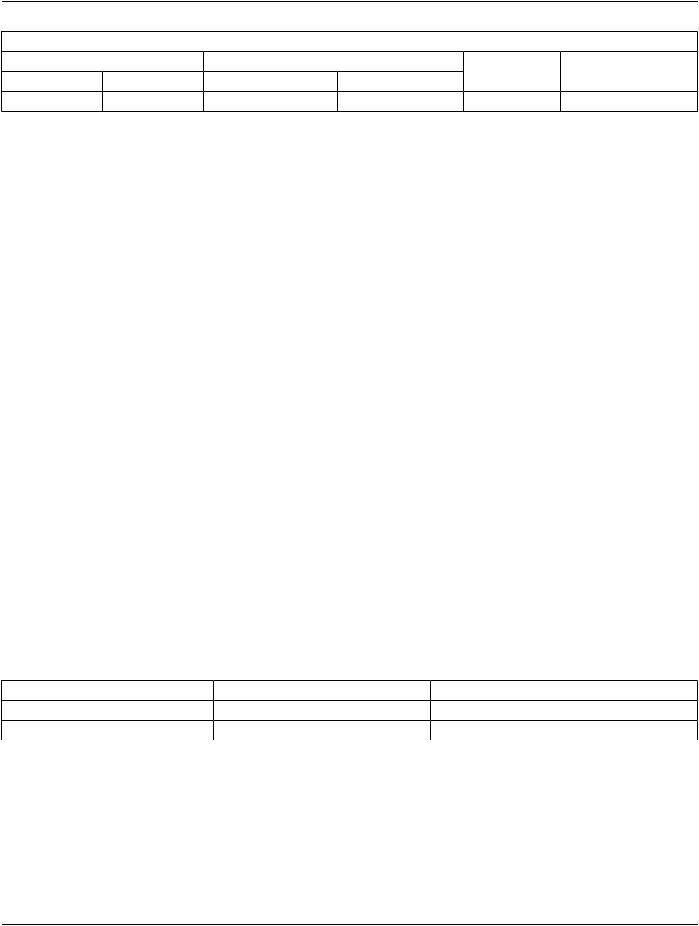
Table A.4.2-7. Proposed Presentation Contexts for "Application Entity <1>"
|
|
Presentation Context Table |
|
|
|
Abstract Syntax |
Transfer Syntax |
Role |
Extended Negotiation |
||
Name |
UID |
Name List |
UID List |
|
|
name_a |
AS_UID_a |
XS_Name_1, ..., |
XS_UID_1, _, |
SCP | SCU | |
None |See Note <1> | |
|
|
XS_Name_n |
XS_UID_n |
BOTH |
See Table A.4.2-8 |
- Standard -
Page 72 |
|
DICOM PS3.2 2020a - Conformance |
|
|
|
|
|
Presentation Context Table |
|
|
|
Abstract Syntax |
Transfer Syntax |
Role |
Extended Negotiation |
||
Name |
UID |
Name List |
UID List |
|
|
... |
... |
... |
... |
... |
... |
Note
<1>: <Describe the content of any extended negotiation done for the SOP Classes of this Presentation Context. One note may serve multiple Presentation Contexts, as a single Abstract Syntax often corresponds to a single SOP class, which may appear in different Presentation Contexts.>
In Table A.4.2-7, the following meanings are assigned to the fields:
•<name_a> This is the name of the Abstract Syntax to be used with this Presentation Context.
•<AS_UID_a> This is the UID of the Abstract Syntax to be used for this Presentation Context.
•<XS_Name_n> This is the name of a Transfer Syntax that may be used for this Presentation Context.
•<XS_UID_n> The UID of the corresponding Transfer Syntax.
If the AE through this Real World Activity might propose any of the SOP Classes of a particular Service Class (e.g., the Storage Service Class), the Abstract Syntax Name and UID shall be those of the Service Class. This section shall describe the conditions under which a SOP Class of that Service Class will be proposed in a Presentation Context.
Note
For instance, an AE may receive instances of a non-preconfigured SOP Class through support of SOP Class Common Ex- tended Negotiation. These instances may be limited to specializations of a particular SOP Class, or they may be any SOP Class within the Service Class, and any such limits should be described.
This section shall describe the conditions under which the AE may change the SOP Class UID of SOP Instances sent, due to fall- back mechanisms.
Note
For instance, if the SCP does not accept the proposed Abstract Syntax (SOP Class) for which there is a Related General SOP Class that was accepted, the AE may modify SOP Instances of the refused SOP Class to use the Related General SOP Class for transmission.
IntheeventthattheAbstractSyntaxofthePresentationContextrepresentsaMeta-SOPClass(thatis,itincludesmanySOPClasses) andextendednegotiationissupportedforsomeoftheseSOPClasses,thefollowingtableisrequiredtodefinethisextendednegotiation. This table is referenced in Table A.4.2-7:
Table A.4.2-8. Extended Negotiation as a SCU
SOP Class Name |
SOP Class UID |
Extended Negotiation |
Name_i |
SOP_UID_I |
None | See Note <1> |
... |
... |
... |
Note |
|
|
<1>: <Describe the content of any extended negotiation done for this SOP Class. One note may serve multiple Presentation Contexts, as a SOP class that may appear in different Presentation Contexts and/or Meta SOP Classes>
The implementation of the initiator shall document which Transfer Syntax will be chosen in case multiple Transfer Syntaxes are ac- cepted during the Association Acceptance.
- Standard -
DICOM PS3.2 2020a - Conformance |
Page 73 |
A.4.2.1.3.1.3 SOP Specific Conformance for SOP Class(Es)
This section includes the SOP specific behavior, i.e., error codes, error and exception handling, time-outs, etc. The information shall be as described in the SOP specific Conformance Statement section of PS3.4 (or relevant private SOP definition). It shall include the content of any extended negotiation. Keys shall be specified including how they are used (Matching, return keys, interactive query, whether they are displayed to the user, universal and/or list matching, etc.).
In particular, the behavior associated with the exchange of images available to the AE only in a lossy compressed form shall be documented. For example, if a lossy compressed transfer syntax is not negotiated, will the AE decompress the image data and send it using one of the negotiated transfer syntaxes.
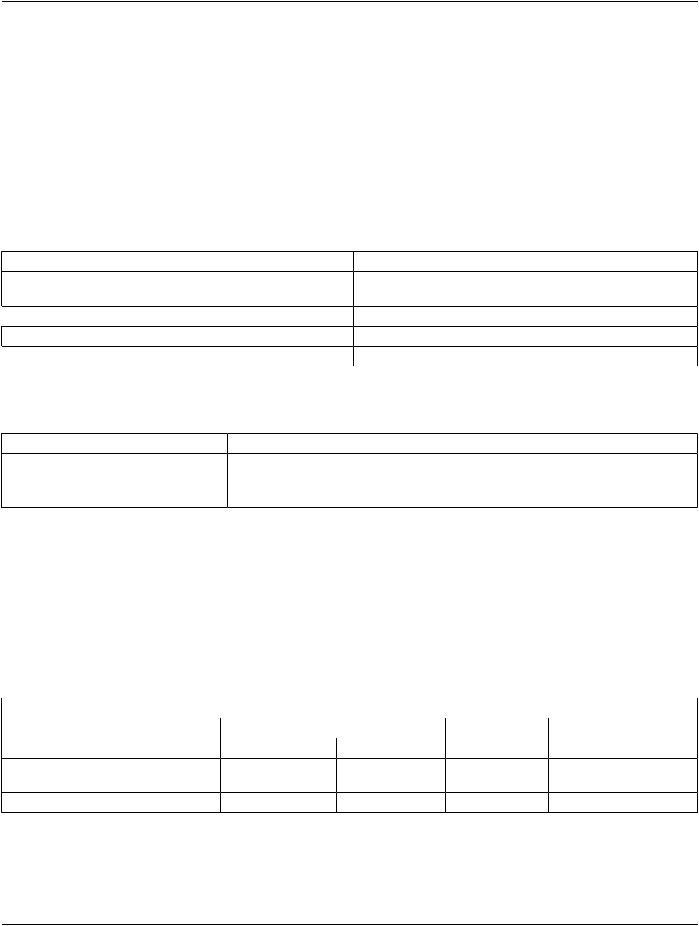
All details regarding the specific conformance, including response behavior to all status codes, both from an application level and communication errors shall be provided in the form of a table as follows:
Table A.4.2-9. DICOM Command Response Status Handling Behavior
Service Status |
Further Meaning |
Error Code |
Behavior |
e.g., Success |
e.g., Matching is complete |
e.g., 0000 |
e.g., The SCP has successfully returned |
|
|
|
all matching information. |
 Warning
Error  …..
…..
The behavior of the AE during communication failure is summarized in a table as follows:
Table A.4.2-10. DICOM Command Communication Failure Behavior
Exception |
Behavior |
e.g., Timeout |
e.g., The Association is aborted using A-ABORT and command marked as failed. The |
|
reason is logged and reported to the user. |
e.g., Association aborted |
e.g., The command is marked as failed. The reason is logged and reported to the user. |
A.4.2.1.4 Association Acceptance Policy
Each AE Specification shall contain a description of the Association Acceptance policies of the AE. This describes the conditions under which the AE will accept an association.
A.4.2.1.4.1 "Activity <2>"
A.4.2.1.4.1.1 Description and Sequencing of Activities
A.4.2.1.4.1.2 Accepted Presentation Contexts
Table A.4.2-11. Acceptable Presentation Contexts For"Application Entity <1>" and "Activity <2>"
|
|
Presentation Context Table |
|
|
|
Abstract Syntax |
Transfer Syntax |
Role |
Extended Negotiation |
||
Name |
UID |
Name |
UID |
|
|
name_a |
AS_UID_a |
XS_Name_a |
XS_UID_a |
SCP | SCU | BothNone |See Note <1>| See |
|
|
|
|
|
|
Table A.4.2-12 |
... |
... |
... |
... |
... |
... |
Note
<1>: <Describe the contentof anyextended negotiationdone for the SOPClasses of this Presentation Context.In particular, acceptance of specialized SOP Classes of the Abstract Syntax specified in this Presentation Context shall be noted. One
- Standard -
Page 74 |
DICOM PS3.2 2020a - Conformance |
note may serve multiple Presentation Contexts, as a single Abstract Syntax often corresponds to a single SOP class, which may appear in different Presentation Contexts>
In Table A.4.2-11, the following meanings are assigned to the fields:
<name_a> This is the name of the Abstract Syntax to be used with this Presentation Context.
<AS_UID_a> This is the UID of the Abstract Syntax to be used for this Presentation Context.
<XS_Name_a> This is the name of a Transfer Syntax that may be used for this Presentation Context.
<XS_UID_a> The UID of the corresponding transfer syntax.
If the AE through this Real World Activity supports all SOP Classes of a particular Service Class (e.g., the Storage Service Class) through SOP Class Common Extended Negotiation, the Abstract Syntax Name and UID shall be those of the Service Class, and this shall be noted under Extended Negotiation.
IntheeventthattheAbstractSyntaxofthePresentationContextrepresentsaMeta-SOPClass(thatis,itincludesmanySOPClasses) andextendednegotiationissupportedforsomeoftheseSOPClasses,thefollowingtableisrequiredtodefinethisextendednegotiation. This table is referenced in Table A.4.2-11
Table A.4.2-12. Extended Negotiation as a SCP
SOP Class name |
SOP Class UID |
Extended Negotiation |
Name_i |
SOP_UID_I |
None | See Note <1> |
... |
... |
... |
Note |
|
|
<1>: <Describe the content of any extended negotiation done for this SOP Class. One note may serve multiple Presentation Contexts, as a SOP class, which may appear in different Presentation Contexts, and/or Meta SOP Classes>
Any rules that govern the acceptance of presentation contexts for this AE shall be stated here as well. This includes rules for which combinations of Abstract/Transfer Syntaxes are acceptable, and rules for prioritization of presentation contexts. Rules that govern selection of transfer syntax within a presentation context shall be stated here.
A.4.2.1.4.1.3 SOP Specific Conformance for SOP Class(Es)
This section includes the SOP specific behavior, i.e., error codes, error and exception handling, time-outs, etc. The information shall be as described in the SOP specific Conformance Statement section of PS3.4 (or relevant private SOP definition).
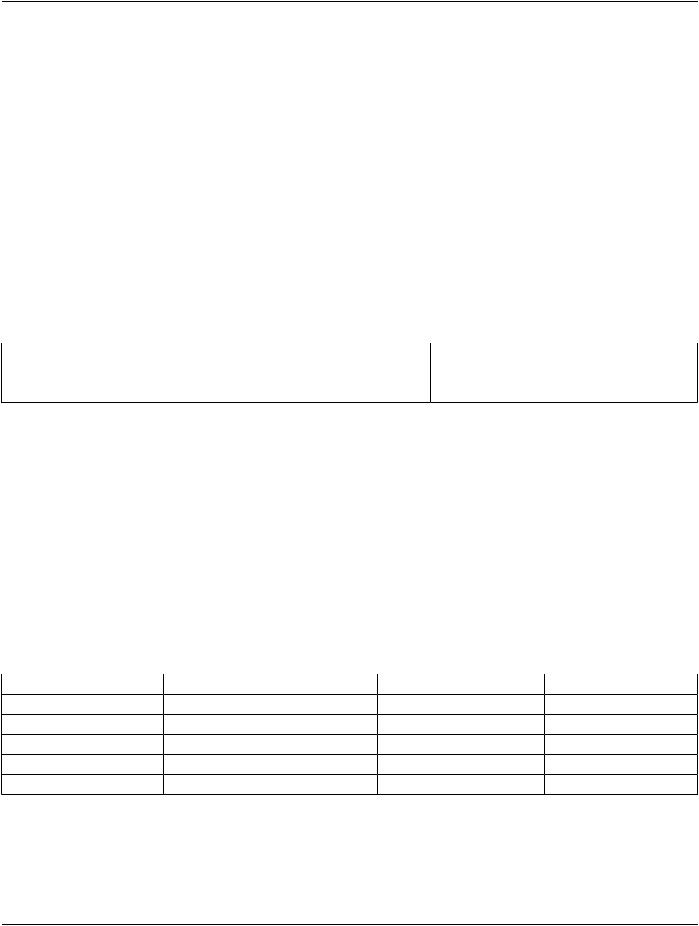
The behavior of an Application Entity shall be summarized as shown in Table 4.2-13. Standard as well as the manufacturer specific status codes and their corresponding behavior shall be specified.
Table 4.2-13. Storage C-STORE Response Status
Service Status |
Further Meaning |
Error Code |
Reason |
Success |
Success |
0000 |
Explain |
Refused |
Out of Resources |
A700-A7FF |
Explain |
Error |
Data Set does not match SOP Class |
A900-A9FF |
Explain |
Error |
Specify |
Specify |
Explain |
Warning |
Specify |
Specify |
Explain |
A.4.2.2 "Application Entity <1>"
An Application Entity that supports Web services shall have the following sections:
Details of this specific Application Entity shall be specified under this section.
- Standard -
DICOM PS3.2 2020a - Conformance |
Page 75 |
A.4.2.2.1 Retired
See PS3.2-2017b.
A.4.2.2.2 WADO-URI Specifications
All WADO-URI services that are supported shall be listed. Other WADO-URI services that are not supported may be indicated.
For each supported service, the parameters and restrictions on those parameters shall be described.
Any connection policies such as restrictions on the number of connections, support for pipeline requests, etc. shall be described.
A.4.2.2.3 Restful Services Specifications
All RESTful services that are supported shall be listed. Other RESTful services that are not supported may be indicated.
For each supported service, the parameters and restrictions on those parameters shall be described.
Any connection policies such as restrictions on the number of connections, support for pipeline requests, etc. shall be described.
A.4.2.3 "Application Entity <2>"
The same info shall be repeated for each additional AE.
A.4.3 Network Interfaces
A.4.3.1 Physical Network Interface
If applicable, specifies what physical network interface(s) are supported.
A.4.3.2 Additional Protocols
Additional protocols such as used for configuration management are listed here. Any conformance to specific System Management Profiles defined in PS3.15 shall be listed per the following table.
Table A.4.3-1. System Management Profiles Table
Profile Name |
Actor |
Protocols Used |
Optional Transactions |
Security |
|
|
|
|
Support |
Profile (1) |
P Client |
Protocol_1, Protocol_2 |
N/A |
|
Profile (x) |
X Client |
Protocol_2, Protocol_3 |
Protocol_3 Option_A supported |
|
If the implementation conforms to the Basic Network Address Management Profile as a DHCP Client actor (see PS3.15), the use of DHCP to configure the local IP address and hostname shall be described.
Note
The hostname is an alias for the IP address, and has no semantic relationship to AE titles. It is solely a convenience for configuration description.
If the implementation conforms to the Basic Network Address Management Profile as a DNS Client actor (see PS3.15), the use of DNS to obtain IP addresses from hostname information shall be described.
If the implementation conforms to the Basic Time Synchronization profile as an NTP Client or SNTP Client, the available NTP config- uration alternatives shall be described. If the implementation conforms to the Basic Time Synchronization Profile as an NTP Server, theavailableserverconfigurationalternativesshallbedescribed.Anydevicespecificrequirementsforaccuracyormaximumallowable synchronization error shall be described.
If there is support for WADO (see PS3.18) the options supported and any restrictions shall be described.
- Standard -