Материал: 4649
11
|
|
|
|
|
to be |
am (is, are ) |
was (were) |
will (shall) |
|
allowed to |
allowed to |
allowed to |
be allowed to |
|
|
|
|
|
|
|
|
He said I |
You will be |
|
|
|
|||
|
|
might go to |
||
выражае |
You may / |
allowed to watch |
||
here. Он сказал, |
||||
т допущение |
are allowed to go |
что я могу идти |
TV after 10. |
|
возможности, |
to the movies. |
туда. |
Вы сможете |
|
разрешение |
Вы можете / вам |
смотреть (вам |
||
совершить |
разрешено теперь |
I was allowed to |
разрешат) |
|
действие |
пойти в кино. |
go to the movies. |
телевизор после |
|
|
|
Мне разрешили |
10 часов. |
|
|
|
идти в кино. |
||
|
|
|
||
|
|
|
|
Модальный глагол MUST
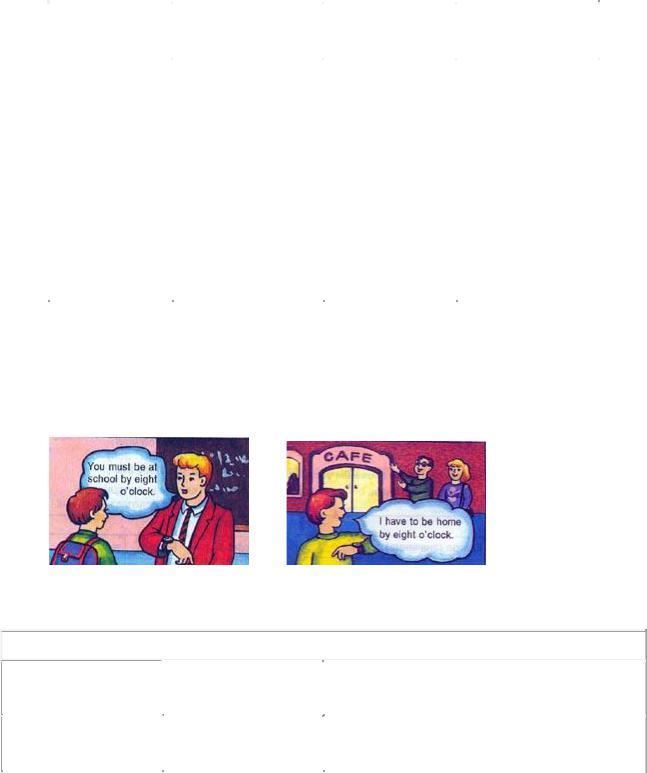
Мы используем must и его эквивалент have to, когда нам нужно выразить необходимость сделать что-либо. Но между ними есть разница:
Общее значение: необходимое, неизбежное или вынужденное действие.
1.глагол – must
2.конструкция - have to
Past |
Present |
Future Indefinite |
|
Indefinite |
Indefinite |
||
|
|||
|
|
|
|
had to |
have to / has |
will have to |
|
to |
|||
|
|
||
|
|
|
3. конструкция - have got to / has got to
Примеры:
must
12
You must stop smoking. - Вы должны бросить курить.
You must do your homework. - Вы должны делать домашнее задание.
You must phone home at once. - Ты должен немедленно позвонить домой.
We really must do something about the stray dogs. -
Нужно что-то делать с бродячими собаками
конструкция have to
I have to study a lot. - Мне надо много заниматься.
I had to study last night. - Мне надо было заниматься вчера вечером. / Мне пришлось заниматься вчера вечером.
I will have to study a lot this summer. - Этим летом мне придѐтся много заниматься.
Must we leave at once? - Нам что, надо немедленно выезжать?
Do I have to do this work again? - Мне что, придѐтся второй раз делать эту работу?
Did you have to work last Saturday? - Тебе что, пришлось работать в прошлую субботу?
Will you have to work next Saturday? - Тебе что, придѐтся работать в следующую субботу?
How long did you have to wait? / What time did you have to wait? - Сколько времени тебе пришлось ждать?
How many exams will you have to take? - Сколько тебе придѐтся сдавать экзаменов?
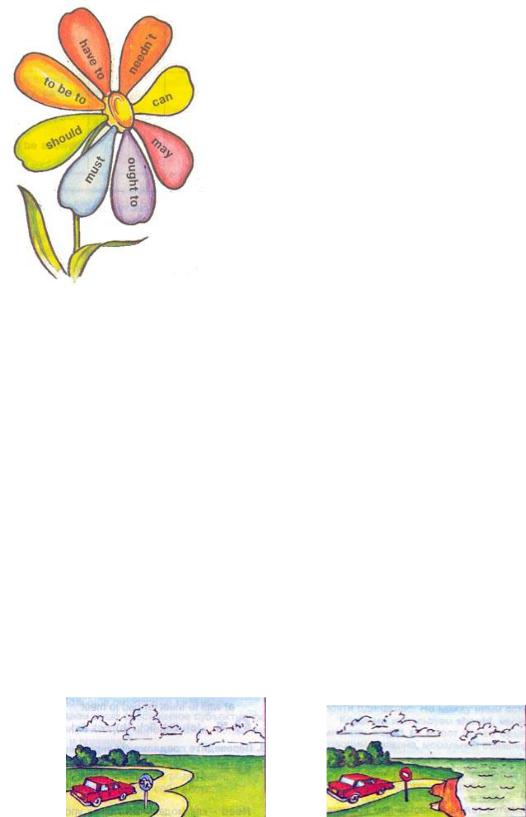
You don't have to do that! |
You mustn't do that! |
Вам (и) нет нужно этого |
Вам нельзя этого |
делать! |
делать! |

13
|
|
|
|
|
|
|
|
|
|
|
|
Глагол |
Present |
Past |
Future |
|
|
|
|
|
|
||
|
- Must I memorize |
|
|
|
|
||
this poem? |
|
must |
|
|
|
||
- Yes, you must. |
|
|
|
|
|||
|
должен обязательно |
|
|
|
|||
- Должен ли я выучить |
must |
|
|
||||
что-то сделать |
|
|
|||||
это стихотворение? |
|
|
|
||||
|
|
|
|
||||
- Да, обязательно. |
|
|
|
|
|
||
|
|
|
|
|
|
||
|
- Do we have to |
|
|
|
|
||
wait long? |
|
|
|
|
|
||
- Yes, you do.It's raining |
have (have |
|
|
|
|||
hard and the flaight is |
got) to |
|
|
|
|||
delayed. |
|
|
должен, приходится |
have (has) |
had to |
will (shall) |
|
- Нам придется долго |
поневоле, вынужден |
to |
|
have to |
|||
ждать? |
|
|
(в силу |
|
|
|
|
- Да. Идет сильный |
обстоятельств) |
|
|
|
|||
дождь, и рейс |
|
|
|
|
|
||
откладывается. |
|
|
|
|
|
||
|
|
|
|
|
|
||
|
- I am to meet her |
|
|
|
|
||
in |
the |
library |
today. |
be to |
|
|
|
- |
Я |
должен |
(мне |
|
|
|
|
должен (я обещал, |
|
|
|
||||
предстоит, |
мы |
am (are, |
was (were) |
|
|||
запланировал по |
|
||||||
договорились, |
я |
is) to |
to |
|
|||
расписанию, по |
|
||||||
обещал) |
встретиться с |
|
|
|
|||
ней |
в |
библиотеке |
договоренности) |
|
|
|
|
сегодня. |
|
|
|
|
|
|
|
|
|
|
|
|
|
||
|
-You should study |
|
|
|
|
||
English words before you |
|
|
|
|
|||
go |
|
to |
bed. |
should |
|
|
|
- |
Вам |
следует |
(вы |
должен (следует по |
should |
|
|
должны |
по |
моему |
моему мнению, |
|
|
||
|
|
|
|||||
мнению) |
|
учить |
совету) |
|
|
|
|
английские слова перед |
|
|
|
|
|||
сном. |
|
|
|
|
|
|
|
|
|
|
|
|
|
|
|
|
|
|
|
|
|
|
|

|
|
14 |
|
|
|
|
|
|
|
|
|
You ought to |
ought |
to |
|
|
|
return the book to me on |
следует, |
должен |
|
|
|
time. |
(это |
твой |
ought to |
|
|
Ты должен (это твой |
моральный |
долг, |
|
|
|
долг) возвратить мне |
когда мы говорим о |
|
|
|
|
книгу вовремя. |
законе, правилах) |
|
|
|
|
|
|
|
|
|
|
You needn't clean |
needn't |
|
|
|
|
the windows. They are |
|
|
|
||
нет никакой |
|
|
|
|
|
clean already. |
|
need |
|
|
|
необходимости |
|
|
|||
Тебе не нужно мыть |
|
|
|
||
(нужды) |
|
|
|
|
|
окна. Они чистые. |
|
|
|
|
|
|
|
|
|
|
|
|
|
|
|
|
|
I.Найдите модальный глагол и переведите предложения.
1.Children must not play in the street.
2.May I close the window? – Yes, you may.
3.He can play football.
4.He asked for a book and she said that he might take it.
5.I can’t go to the cinema today.
6.Can you tell me what the time?
7.Mary must be at the sports camp now.
8.She may come on Sunday.
9.He must be at home now. He always comes home at that time.
10.I could skate when I was seven.
11.Can she have done such a thing? I cannot believe it.
12.Could I have lost my book? I can’t find it.
13.He must be a good sportsman.
14.He may know the truth.
15.You must be hungry. Sit down to dinner.
16.“Susan, you must return home not later than six” – her mother said.
17.Where is Susan? – She must be late.
15
II. Ask someone if he or she can do these things?
1.Can you swim?
2.Ski
3.play chess
4.drive
5.run ten kilometers
6.ride a horse
III. Complete these sentences. Use can, can’t or couldn’t + one of these
verbs. |
|
|
|
|
|
|
come |
find |
hear |
see |
speak |
eat |
go |
|
go |
see |
sleep |
understand |
|
|
1.I’m sorry but I can’t come to your party next Saturday.
2.She spoke very quickly. I … her.
3.She got the job because she … five languages.
4.You are speaking very quietly. I … you.
5.Have you seen my bag? I … find it.
6.He … to the concert next Saturday. He’s working.
7.He … to the meeting last week. He was ill.
8.I like this hotel room. You … the mountains from the window.
9.I was tired but I …
10.His eyes are not very good. He … very well.
11.I wasn’t hungry yesterday. I … my dinner.
IV. Complete the sentences. Use must + one of these verbs.
be |
buy |
go |
go |
help |
hurry |
learn |
meet |
phone |
read |
win |
|
1.We must go to the bank today. We haven’t got any money.
2.I … I haven’t got much time.
3.She is a very interesting person. You … her.