Материал: part20
Page 56 |
DICOM PS3.20 2020a - Imaging Reports using HL7 Clinical Document Architecture |
Example 8.2.4.2-2. participant example
<participant typeCode="REF"> <associatedEntity classCode="PROV">
<id nullFlavor="NI"/> <addr nullFlavor="NI"/> <telecom nullFlavor="NI"/> <associatedPerson>
<name><given>Amanda</given><family>Assigned</family><suffix>MD</suffix></name>
</associatedPerson>
</associatedEntity>
</participant>
Example 8.2.4.2-3. dataEnterer example
<dataEnterer>
<assignedEntity typeCode="ENT">
<id root="2.16.840.1.113883.19.5" extension="43252"/> <addr>
<streetAddressLine>21 North Ave.</streetAddressLine> <city>Burlington</city>
<state>MA</state>
<postalCode>02368</postalCode>
<country>US</country>
</addr>
<telecom use="WP" value="tel:(555) 555-1003"/> <assignedPerson>
<name><given>Henry</given><family>Seven</family></name>
</assignedPerson>
</assignedEntity>
</dataEnterer>
8.3 Parent Document
Template ID |
1.2.840.10008.9.22 |
Name |
Parent Document Header Elements |
Effective Date |
2015/03/24 |
Version Label |
DICOM-20150324 |
Status |
Active |
Description |
CDA Header Elements describing relationship to prior/parent documents |
Classification |
CDA Header Elements |
Relationships |
Included in all document level templates |
Context |
sibling node |
Open/Closed |
Open |
Revision History |
DICOM-20150324: Initial version |
- Standard -
|
DICOM PS3.20 2020a - Imaging Reports using HL7 Clinical Document Architecture |
Page 57 |
|||||
Business NameNestLevelElement/Attribute |
Card |
Elem/Attr Conf Data |
Value |
ValueSubsidiary |
|||
|
|
|
|
|
Type |
Conf |
Template |
|
|
relatedDocument |
0..1 |
MAY |
|
|
|
|
@ |
@typecode |
1.1 |
SHALL |
CS |
SHALL RPLC |
|
|
> |
parentDocument |
1..1 |
SHALL |
|
|
|
ReplacedDocument>> |
id |
1..1 |
SHALL |
II |
|
|
|
ID |
|
|
|
|
|
|
|
ReplacedDocument>> |
setId |
0..1 |
MAY |
II |
|
|
|
SetID |
|
|
|
|
|
|
|
ReplacedDocument>> |
versionNumber |
1..1 |
COND |
INT |
|
|
|
Version |
|
|
|
|
|
|
|
|
|
relatedDocument |
0..1 |
MAY |
|
|
|
|
@ |
@typecode |
1.1 |
SHALL |
CS |
SHALL XFRM |
|
|
> |
parentDocument |
1..1 |
SHALL |
|
|
|
Transformed |
>> |
id |
1..1 |
SHALL |
II |
|
|
DocumentID |
|
|
|
|
|
|
|
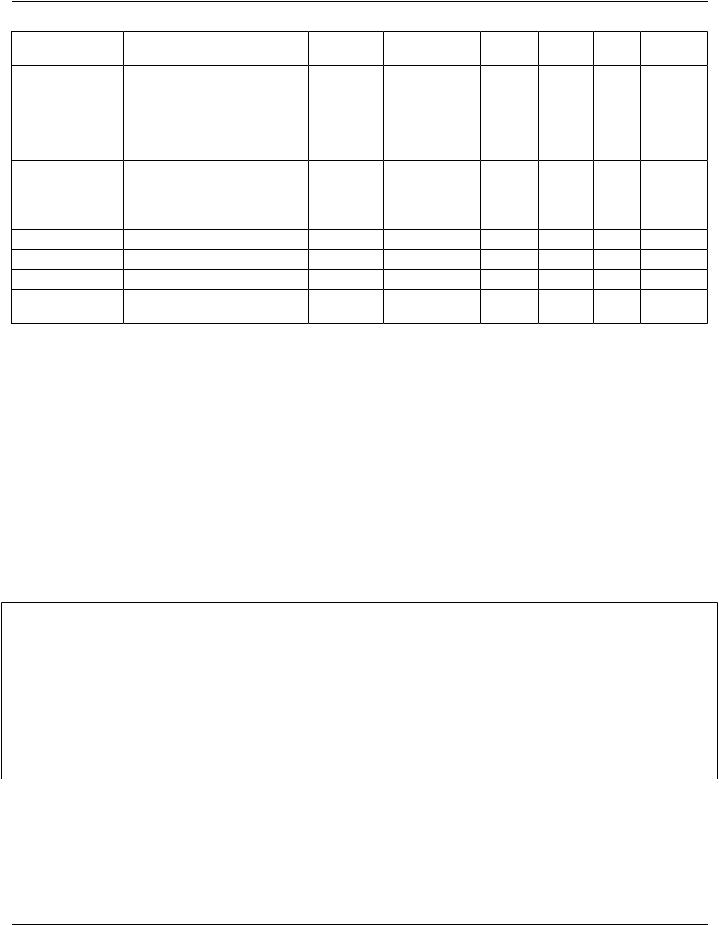
8.3.1 relatedDocument
A document may have two types of parent document:
•Asupersededversionthatthepresentdocumentwhollyreplaces(typeCode=RPLC).Documentsmaygothroughstagesofrevision prior to being legally authenticated. Such early stages may be drafts from transcription, those created by residents, or other prelim- inary versions. Policies not covered by this specification may govern requirements for retention of such earlier versions. Except for forensic purposes, the latest version in a chain of revisions represents the complete and current report.
•A source document from which the present document is transformed (typeCode = XFRM). A document may be created by trans- formation from a DICOM Structured Report (SR) document (see Annex C).
TheCDAdocumentmanagementvocabularyincludesatypeCodeAPND(append)relationshiptoaparentdocument.Thisrelationship type is not supported in this specification; rather, append is effected by creating a replacement document with an 9.7 Addendum.
8.3.2 parentDocument/setId and versionNumber
COND: If and only if the setID element is present, the versionNumber element SHALL be present.
Example 8.3.2-1. relatedDocument example
<!-- transformation of a DICOM SR --> <relatedDocument typeCode="XFRM">
<parentDocument>
<id root="1.2.840.113619.2.62.994044785528.20060823.200608232232322.9"/> <!-- SOP Instance UID (0008,0018) of SR sample document -->
</parentDocument>
</relatedDocument>
- Standard -

Page 58 |
DICOM PS3.20 2020a - Imaging Reports using HL7 Clinical Document Architecture |
- Standard -
DICOM PS3.20 2020a - Imaging Reports using HL7 Clinical Document Architecture Page 59
9 Section-level Templates
9.1 General Requirements For Sections
9.1.1 Section Text
Template ID |
1.2.840.10008.9.19 |
Name |
Section Text |
Effective Date |
2015/03/24 |
Version Label |
DICOM-20150324 |
Status |
Active |
Description |
This template specifies the common set of narrative block markup that may |
|
be included in a CDA imaging report section. |
Classification |
CDA Element Set |
Relationships |
Included in all sections |
Context |
parent node |
Open/Closed |
Open |
Revision History |
DICOM-20150324: Initial version |
BusinessNameNest LevelElement/Attribute Card |
Elem/Attr Conf Data Type |
Value |
Value Subsidiary |
||||
|
|
|
|
|
|
Conf |
Template |
Text |
|
text |
1..1 |
COND |
ED |
|
|
Content[*] |
> |
content |
0..* |
MAY |
ST |
|
|
* |
>@ |
@ID |
1..1 |
SHALL |
XML ID |
[See 5.3.4 |
|
|
|
|
|
|
|
XML ID] |
|
Style |
>@ |
@styleCode |
0..1 |
MAY |
XML |
|
|
|
|
|
|
|
NMTOKENS |
|
|
IntRef[*] |
> |
linkHtml |
0..* |
MAY |
ST |
|
|
|
>@ |
@href |
1..1 |
SHALL |
ST (URL - XML |
|
|
|
|
|
|
|
IDREF) |
|
|
GraphicRef[*] > |
renderMultiMedia 0..* |
MAY |
|
|
|
||
|
>@ |
@referencedObject1..1 |
SHALL |
XML IDREF |
|
|
|
Caption |
>> |
caption |
0..1 |
MAY |
ST |
|
|
ExtRef[*] |
> |
linkHtml |
0..* |
MAY |
ST |
|
|
URL |
>@ |
@href |
1..1 |
SHALL |
ST (URL) |
|
|
Paragraph(*) |
> |
paragraph |
0..* |
MAY |
ST |
|
|
Caption |
>> |
caption |
0..1 |
MAY |
ST |
|
|
List(*) |
> |
list |
0..* |
MAY |
ST |
|
|
* |
>@ |
@ID |
1..1 |
SHALL |
XML ID |
[See 5.3.4 |
|
|
|
|
|
|
|
XML ID] |
|
Ordered |
>@ |
@listType |
0..1 |
MAY |
XML |
SHALLordered |
|
|
|
|
|
|
NMTOKENS |
|
|
Caption |
>> |
caption |
0..1 |
MAY |
ST |
|
|
Item(*) |
>> |
item |
1..* |
SHALL |
ST |
|
|
- Standard -
Page 60 |
DICOM PS3.20 2020a - Imaging Reports using HL7 Clinical Document Architecture |
|||||
* |
>>@ |
@ID |
1..1 |
SHALL |
XML ID |
[See 5.3.4 |
|
|
|
|
|
|
XML ID] |
Table(*) |
> |
table |
1..1 |
SHALL |
|
|
* |
>@ |
@ID |
1..1 |
SHALL |
XML ID |
[See 5.3.4 |
|
|
|
|
|
|
XML ID] |
Caption |
>> |
caption |
0..1 |
MAY |
ST |
|
|
>> |
Tr |
1..1 |
SHALL |
|
|
|
>>@ |
@styleCode |
1..1 |
SHALL |
CS |
SHALLBold |
ColumnHead(*)>>> |
Th |
1..* |
SHALL |
ST |
|
|
Row[*] |
>> |
Tr |
1..* |
SHALL |
|
|
* |
>>@ |
@ID |
1..1 |
SHALL |
XML ID |
|
Cell(*) |
>>> |
Td |
1..1 |
SHALL |
ST |
|
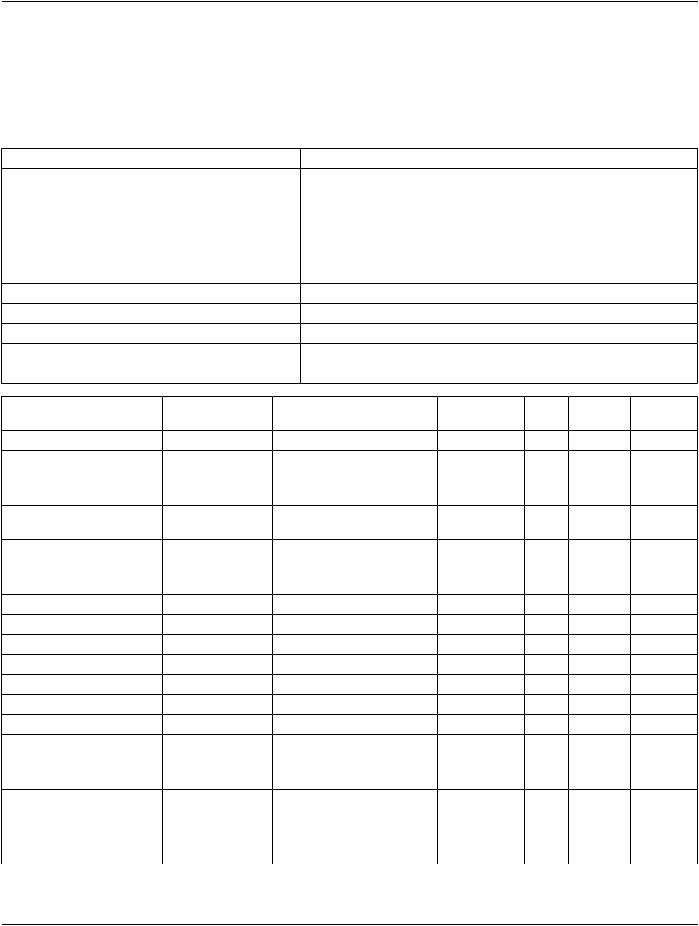
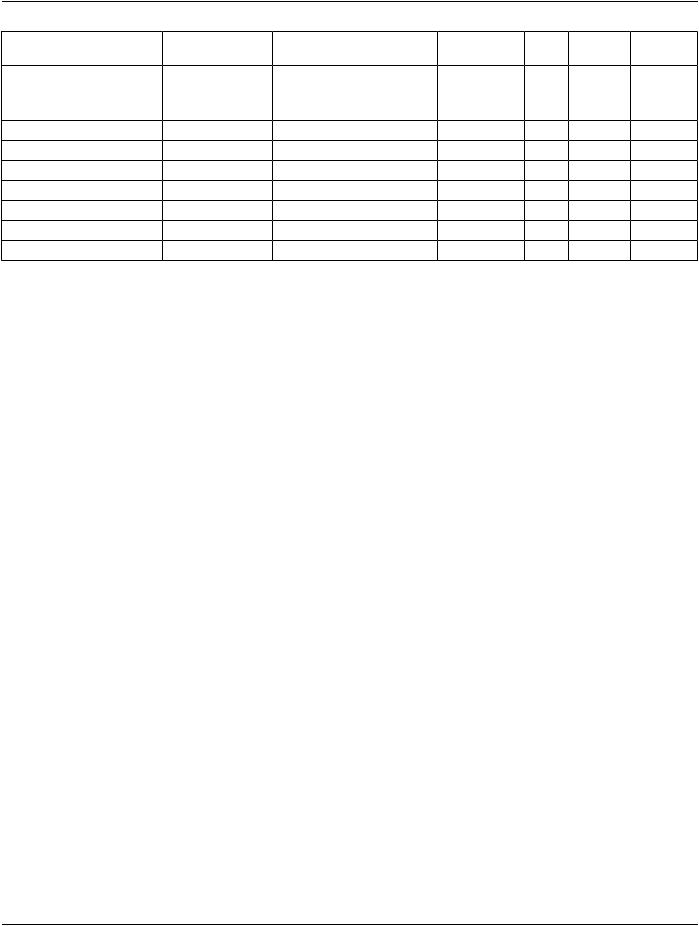
The text element within the section stores the narrative to be rendered, as described in the CDA R2 specification, and is referred to as the CDA narrative block.
COND: The text element SHALL be present if the section content is not completely represented by subsections.
AsnotedintheCDAR2specification,thedocumentoriginatorisresponsibleforensuringthatthenarrativeblockcontainsthecomplete, human readable, attested content of the section. Structured entries support computer processing and computation, and are not a re- placement for the attestable, human-readable content of the CDA narrative block.
Additional specification information for the CDA narrative block can be found in the CDA R2 specification in sections 1.2.1, 1.2.3, 1.3, 1.3.1, 1.3.2, 4.3.4.2, and 6.
The narrative block allows a variety of markup. The markup that implements various types of internal and external linkage is shown in the table, and is included in the conformance specifications for each section narrative block that invokes this template. The markup elements may occur in any order and at any point within the narrative block text as allowed by the CDA R2 specification.
9.1.1.1 <content> Markup and Links From Entries
The CDA narrative block may contain the <content> markup element to wrap a block of text so that it can be explicitly identified using its XML ID attribute, and referenced from elsewhere in the document. Specifically, structured entries may link to their equivalent nar- rative rendering in a content block using the XML ID (see CDA R2 Specification, section 4.3.5.1).
Additionally, a content block may include a styleCode attribute to suggest rendering (see CDA R2 Specification, section 4.3.5.11). For example, Bold could also be used to highlight actionable findings in the text of the 9.5 Findings and/or 9.6 Impression sections.
9.1.1.2 <linkHtml> Markup and Internal References
The CDA narrative block MAY contain the <linkHtml> markup to provide a link between narrative text in one section and a content block in another section (see CDA R2 specification section 4.3.5.2). The XML ID of the target content block is used in the linkHtml href attribute, with a prefixed '#' to indicate the reference is in the current document.
For example, a linkHtml reference could be used to link an actionable finding in the 9.6 Impression section to the specific, detailed measurement evidencing a problem that was identified in the text of the 9.5 Findings section.
9.1.1.3 <renderMultiMedia> Markup and Graphical Content
The CDA narrative block MAY contain the <renderMultiMedia> markup element to include graphical content, e.g., a coronary tree diagram or myocardial wall motion "bulls-eye chart". The renderMultiMedia element SHALL link to an observationMedia structured entry using the XML ID of that entry (see CDA R2 Specification, section 4.3.5.6).
- Standard -